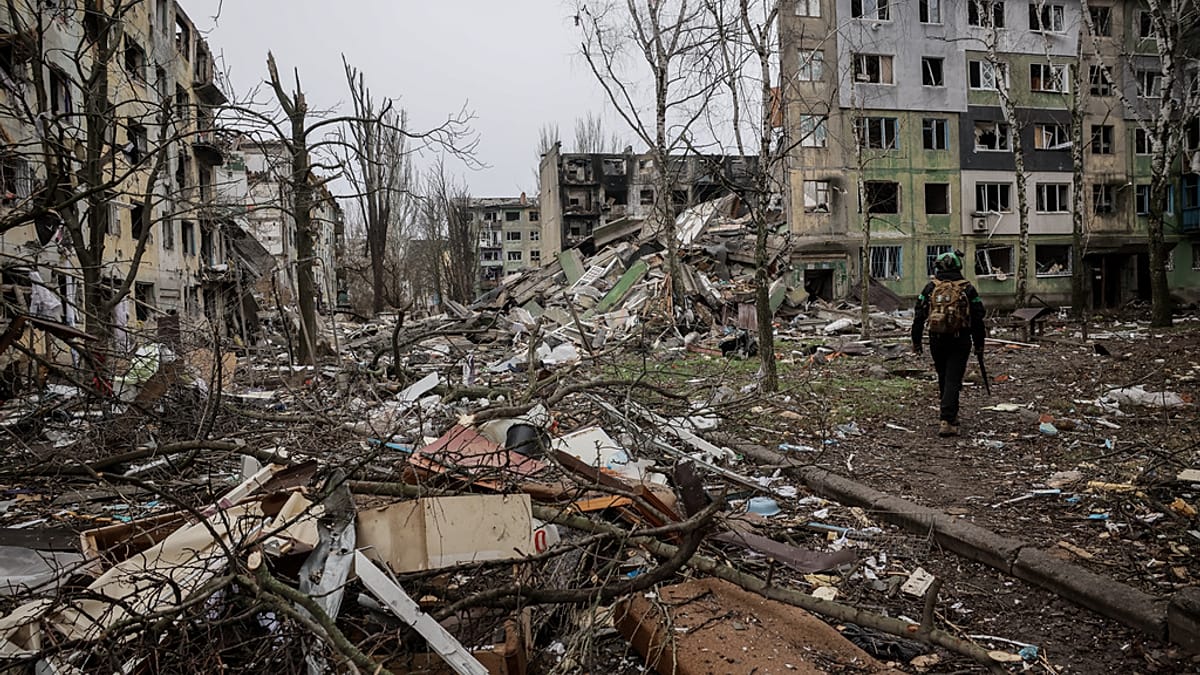
A temporary ceasefire between Ukraine and Russia was agreed at the Russian-occupied Zaporizhzhia Nuclear Power Plant to permit repairs and avert a possible nuclear incident, even as Russia launched a 48‑drone overnight attack on Ukraine that struck multiple regions. The strikes killed a civilian in Sloviansk, injured others in Kherson, hit infrastructure in Sumy and damaged residences in Odesa; Ukraine reported retaliatory strikes on Russian military sites and the Syzran oil plant in Samara. President Zelenskyy is in Miami pursuing a proposed peace plan, while the fighting and attacks on energy infrastructure raise the risk of elevated regional instability and potential short-term volatility in energy markets.
Market structure: Near-term winners are defense producers and energy exporters — expect incremental pricing power for oil & LNG sellers and defense primes for 3–12 months as supply-risk premia rise. Losers: regional Ukrainian industries, Russian onshore refining/transport operators, and EM assets with Ukraine/Russia exposure; expect local FX (RUB, UAH) and regional equity underperformance. Cross-asset: safe-haven flows into USD, JPY and 10y USTs (TLT) and higher implied volatility across equity and commodity options; Brent/TTF sensitivity to further escalation is asymmetric upward.
Risk assessment: Tail risks include a nuclear accident (low probability, catastrophic impact) that would spike uranium, gold and energy; a wider sanctions regime or interruption of Black Sea exports could lift Brent >$100 within weeks. Time horizons: immediate (24–72h) = volatility and tactical flows; short-term (1–6 months) = elevated energy, defense order visibility; long-term (6–36 months) = capex shift to LNG, re-shoring, and higher defense budgets. Hidden deps: insurance/reinsurance price shocks, grain export corridors disruption and cascading EM bank stress.
Trade implications: Favor convex exposure to energy and defense while protecting portfolio downside with rates and FX hedges. Use options to buy volatility rather than outright directional; prefer 3–9 month expiries. Rotate out of Eastern European financials and tourism names into industrials and select commodities; size tactically (1–4% per idea) and set explicit triggers for trimming.
Contrarian angles: Market may overprice permanent energy tightness — 2014-type episodes saw prices normalize within 6–12 months as supply responses arrived. The Zaporizhzhia ceasefire reduces immediate nuclear tail-risk, so uranium equities (URA) could be stretched; conversely, short-term overreaction in European utilities/gas names creates pair-trade opportunities. Unintended consequence: accelerated decarbonization/renewables capex could hurt incumbent utilities but benefit equipment suppliers over 2–5 years.
AI-powered research, real-time alerts, and portfolio analytics for institutional investors.
Request DemoOverall Sentiment
strongly negative
Sentiment Score
-0.70
