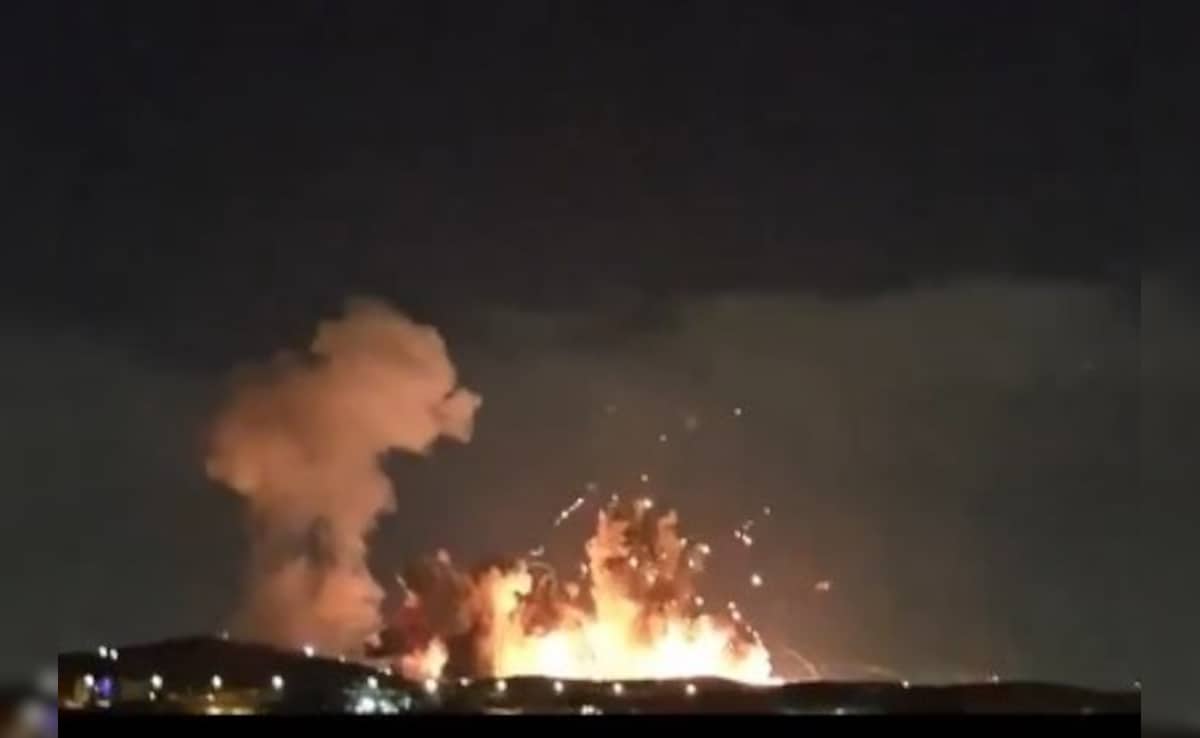
Key event: US forces reportedly struck an ammunition depot in Isfahan using a high volume of 2,000-lb (≈907 kg) bunker-buster bombs, triggering massive secondary explosions and fires. Reports say Iran may have moved ~540 kg of highly enriched uranium to an underground Isfahan facility; President Trump shared footage and has threatened destruction of Iranian energy infrastructure and closure risks to the Strait of Hormuz. The strikes materially raise escalation risk and could prompt oil-price spikes, wider risk-off flows, and volatility in defense, shipping/insurance, and energy sectors.
Markets will price an elevated, persistent geopolitical risk premium rather than a one-day blip: expect crude futures to react within hours and for realised volatility to stay elevated for 2–8 weeks as insurers, ship-owners and traders re-route flows and re-price war risk. Shipping insurance spreads and bunker costs rise non-linearly with even modest detours around the Strait of Hormuz; a 3–7% increase in voyage times can translate to 5–12% rise in delivered oil/gas costs to Asia within one month, squeezing refiners with tight margins. Defense primes face faster revenue visibility and procurement optionality: the market typically re-rates forward orders within 3–12 months, but supply-chain bottlenecks for speciality castings and avionics can cap near-term upside and lengthen delivery lead times.
Second-order winners include reinsurers and specialty energy logistics firms that can capture higher per-voyage margins, while regional airlines and tourism-exposed equities are immediate losers due to rerouting and fuel-cost passes. Sanctions and export-control ramps create multi-quarter dispersion: firms with single-source Middle East feedstocks or critical repair capability (MRO) will see operational stress that is not yet fully signalled in credit spreads. Tail risk remains geopolitical escalation to wider strikes or Iranian asymmetric retaliation (cyber, maritime mines, proxy launches) — that path would push oil shocks from tens to hundreds of dollars of notional P&L impact for unhedged physical longs.
Timeline and reversal cues: oil and freight move first (hours–weeks), defense/order re-rating next (months), sanctions/supply-chain realignment last (quarters–years). Reversals: credible de-escalation (multilateral ceasefire talks, measured diplomatic backchannel outcomes, or visible US/coalition drawdowns) will compress risk premia quickly — watch diplomatic signals and sovereign bond basis trades as leading indicators. Position sizing should reflect asymmetric tail risk: defend portfolios with tail-hedges rather than pure directional levered bets until 2–4 week clarity emerges.
AI-powered research, real-time alerts, and portfolio analytics for institutional investors.
Request DemoOverall Sentiment
strongly negative
Sentiment Score
-0.65
