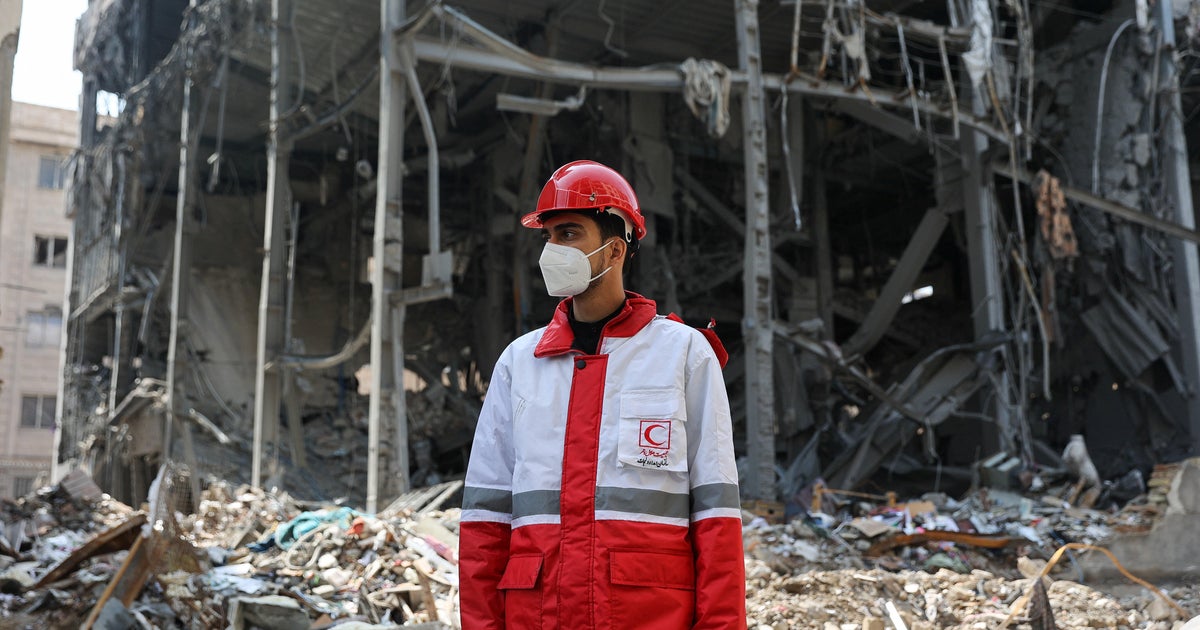
Brent crude is trading above $100/barrel, up more than 40% since the war began, as Iran launched waves of missiles and drones at Israel and Persian Gulf states. The conflict has produced substantial civilian casualties (Lebanon officials report over 900 dead and >1m displaced; multiple deaths in Israel and Iran), expanded Israeli and U.S. strikes including use of 5,000-lb deep penetrator munitions, and prompted Iran to target the Strait of Hormuz even as ~90 ships have continued transits and Iranian oil exports remain resilient. Expect heightened regional volatility, sustained oil-price risk, and disruptive implications for shipping, sanctions enforcement and defense-related spending.
The market is trading a structural risk-premium across energy, shipping and defense that will persist until either (A) a credible diplomatic de-escalation or (B) a demonstrable, sustained reopening of the Strait of Hormuz logistics chain. Energy producers and spot tanker owners capture most of the upside quickly; logistics and refining losers absorb both higher feedstock and insurance-adjusted freight costs. Expect volatility clustering: oil/gas, freight rates and insurance spreads will spike on news and partially mean-revert over weeks, while defense and reinsurance repricing plays out over quarters. Second-order supply-chain effects matter more than headline barrel counts. Dark-vessel transits and informal trading corridors mute the block/ban mechanics of sanctions, compressing upside for pure embargo bets and enhancing value for firms that profit from complexity (brokers, security services, specialty insurers). Conversely, sectors with tight working-capital cycles (airlines, container shipping, perishable exporters) face cash-flow shocks from longer voyages and higher bunker/insurance bills that show up in liquidity metrics within 30–90 days. Tail risks are asymmetric: a wider regional conflagration or direct state-to-state naval confrontation could lock shipping lanes and push energy and insurance premia far higher for months, while a negotiated de-escalation would likely see rapid profit-taking in defense names and a slower relief in freight/insurance spreads. Monitor three short-horizon triggers: confirmed persistent closure of key chokepoints (days), major sovereign third-party military intervention (weeks), and formal sanctions widening to service providers (months).
AI-powered research, real-time alerts, and portfolio analytics for institutional investors.
Overall Sentiment
extremely negative
Sentiment Score
-0.90
