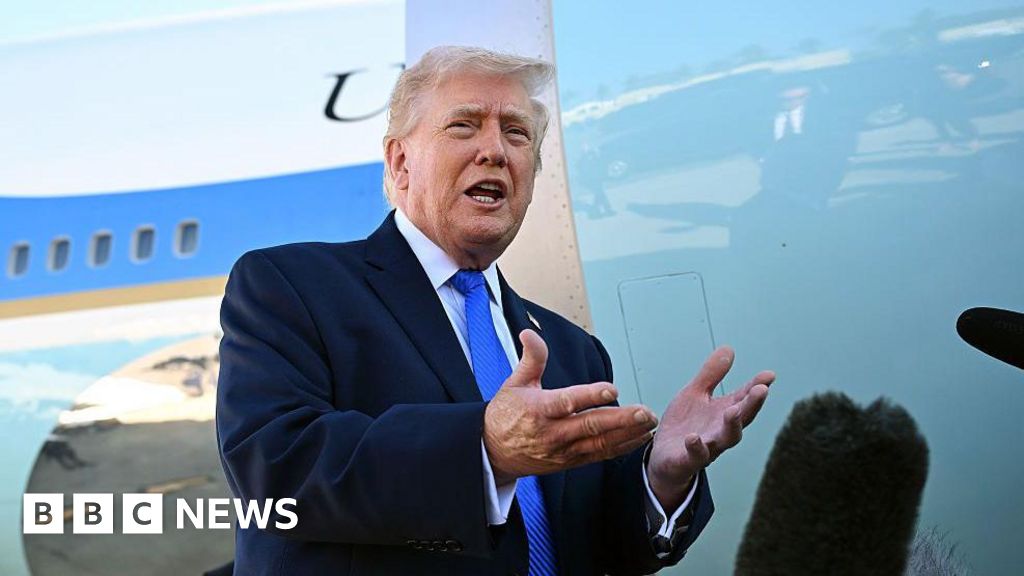
Trump confirmed a rescheduled state visit to China for 14-15 May (originally set for 31 March), to be followed by a reciprocal visit by Xi to Washington later in the year; this would be the first US presidential visit to China in nearly 10 years. The trip was postponed due to the US-Israel war with Iran after strikes that killed Iran's supreme leader and subsequent Iranian attacks that effectively closed the Strait of Hormuz, triggering a global fuel crisis and elevated energy/trade risk. The meetings could materially affect US-China relations and ease trade/tech frictions, while ongoing Middle East hostilities continue to pose upside risk to oil and shipping disruption.
The mere prospect of a high-level US–China summit is functioning like a conditional risk-off signal for global risk premia: assets that price geopolitical risk (China equities, tech supply-chain plays, freight and insurance) are likely to see a two-stage move — an initial relief rally if the meetings produce concrete, marketable deliverables, and a snap-back selloff if talks are purely symbolic. Mechanism: insurers/charterers lower premiums and buyers restart deferred orders, compressing lead times by 4–8 weeks and unlocking working-capital flows into export-heavy sectors.
Energy markets sit on path-dependent optionality. De-escalation materially reduces a geopolitical convenience yield on Brent/LNG (we model a 5–10% downside from current stressed levels if shipping lanes normalize), whereas any summit that fails to calm Iran-driven risk or is perceived as a distraction could push the convenience yield higher, sustaining elevated spot/backwardation and freight rates for months. Traders should treat the diplomatic calendar as a short-duration catalyst window with outsized gamma.
Tech/supply-chain second-order effects are asymmetric: partial thaw that keeps export controls in place still lowers trade friction costs (logistics, licensing timelines), boosting near-term revenues for non-restricted suppliers (materials, test-equipment) before semiconductor capex normalization. A full easing would disproportionately re-rate equipment vendors that sit at the top of the bill-of-materials for advanced nodes, but that outcome is low-probability and would take 6–12 months to fully transmit into earnings.
Key risks and catalysts are binary and fast-moving: signed memoranda, tariff rollbacks or concrete licensing agreements would be positive triggers; any concurrent Iran escalation, high-profile domestic political pushback, or absence of deliverables at the meetings would reverse moves within days. Position sizing should assume a 30–60 day event window with asymmetric tails on both de-escalation success and geopolitical flare-ups.
AI-powered research, real-time alerts, and portfolio analytics for institutional investors.
Request DemoOverall Sentiment
neutral
Sentiment Score
0.00
