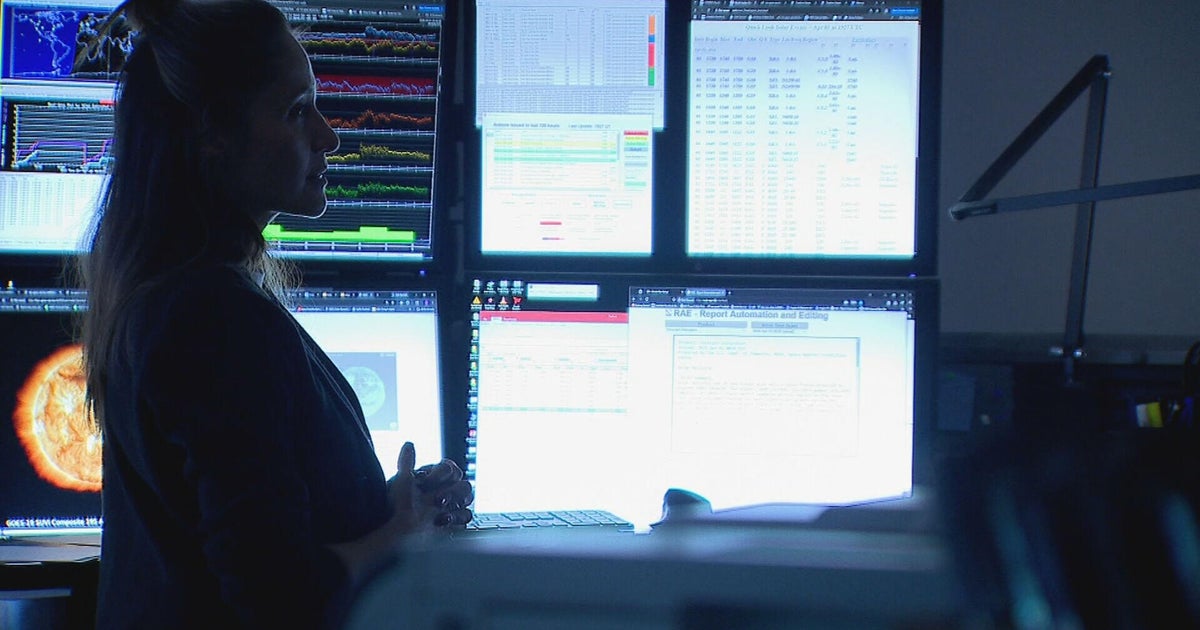
NOAA's Space Weather Prediction Center will prioritize Artemis II for the next 10 days, providing 24/7 monitoring and real‑time alerts to NASA. SWPC warns energetic solar particles can arrive within 15 minutes and may elevate astronaut radiation risk, while also tracking impacts to aviation, satellites, power grids and communications; SWPC will additionally support FIFA World Cup events for the first time.
Operationalizing reliable, 24/7 space-weather support for high-profile crewed missions materially reduces short-term mission tail risk and creates a repeatable, contractable service model rather than a one-off advisory role. Translate that into dollars: NASA and large event organizers will pay for low-latency alerts and SLAs that can materially lower insurance premiums and expected outage costs; a single avoided grid event or satellite loss can justify six- to eight-figure annual contracts for providers that can guarantee timely alerts. Over 12–36 months this pushes buying preference toward suppliers that embed operational feeds into command-and-control stacks (avionics, satellite ops, grid-control), creating a steady aftermarket revenue stream versus one-time hardware wins.
Second-order supply-chain effects are concrete and measurable: demand for radiation-hardened semiconductors, dosimeters, and hardened comms modules will raise lead times and order book visibility for a narrow set of suppliers, compressing free cash flow conversion for integrators that must stock inventory for launches. Conversely, lightly shielded smallsat operators and newer constellation entrants face increased near-term CapEx (retrofits, more shielding or insurance) and higher OPEX for monitoring subscriptions, pressuring margins through the next 6–18 months. The market reaction will bifurcate: defense primes and specialist suppliers capture higher-margin recurring revenue while low-margin comms suppliers and underinsured operators see widening spreads and potential credit stress on multi-year rollouts.
The primary tail risk is a major solar proton event during the mission window that forces operational stand-downs or hardware damage — low-probability in days but non-trivial over solar-cycle peaks (months to years). Catalysts to watch in the next 3–12 months: awarded NOAA/NASA support contracts, published SLAs with broadcasters/utility partners for the World Cup, and any insurance-policy language updates that explicitly reference operational space-weather feeds. Contrarian view: investors under-appreciate the stickiness of O&M/service revenue from real-time alerts (recurring payments, high switching costs), but the market may be over-enthusiastic about large, immediate defense prime backlog growth—expect the real money to show up as modest multi-year margin improvement, not instant fireworks.
AI-powered research, real-time alerts, and portfolio analytics for institutional investors.
Request DemoOverall Sentiment
neutral
Sentiment Score
0.05
