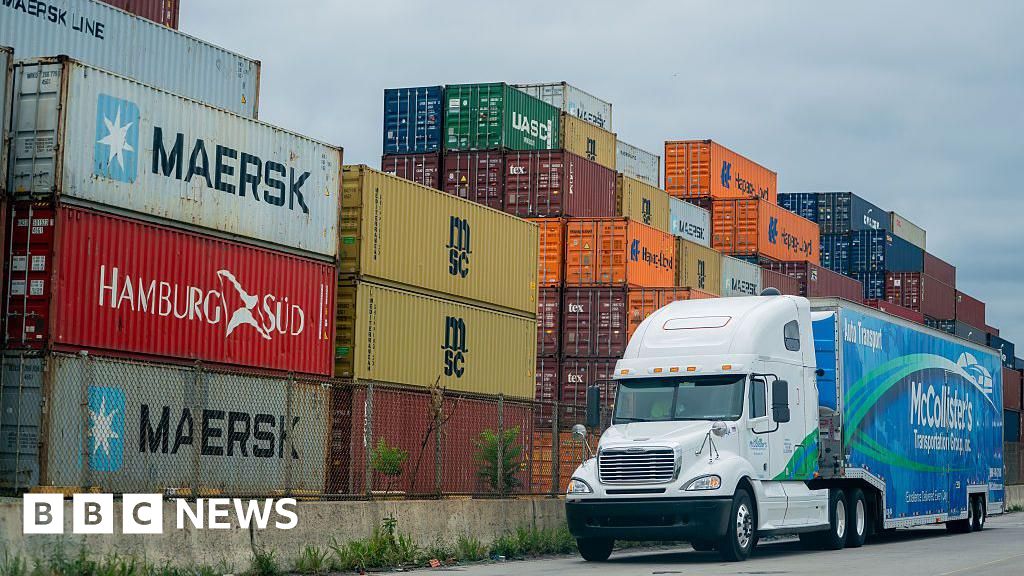
US wholesale prices, as measured by the Producer Price Index, surged 0.9% in July, marking the largest month-over-month jump since June 2022 and significantly exceeding the 0.2% analyst forecast. This unexpected increase is primarily attributed to new tariffs, which are generating substantial cost pressures in the supply chain and are expected to soon translate into higher consumer prices. The renewed inflation concerns complicate the Federal Reserve's monetary policy decisions, potentially hindering interest rate cuts despite calls from the White House, as the central bank aims to avoid re-igniting inflationary pressures.
The U.S. Producer Price Index (PPI) registered a significant upside surprise in July, surging 0.9% month-over-month against a consensus forecast of 0.2%. This marks the sharpest increase since June 2022 and signals escalating inflationary pressures within the supply chain, primarily attributed to the economic impact of new tariffs. The data reveals broad-based price increases, with services rising 1.1% and goods by 0.7%, notably in tariff-exposed categories like home furniture and apparel. This development presents a considerable dilemma for the Federal Reserve, complicating calls for monetary easing from figures like the Treasury Secretary. While the central bank has been under pressure to cut rates amid signs of weakening job growth, this strong producer inflation data heightens the risk that such a move could fuel broader inflation, a concern that has previously justified holding rates steady. Economists now anticipate these wholesale cost pressures will soon translate into higher prices for consumers, potentially pushing overall inflation further from the Fed's target and forcing a more hawkish policy stance than previously expected.
AI-powered research, real-time alerts, and portfolio analytics for institutional investors.
Overall Sentiment
strongly negative
Sentiment Score
-0.70
