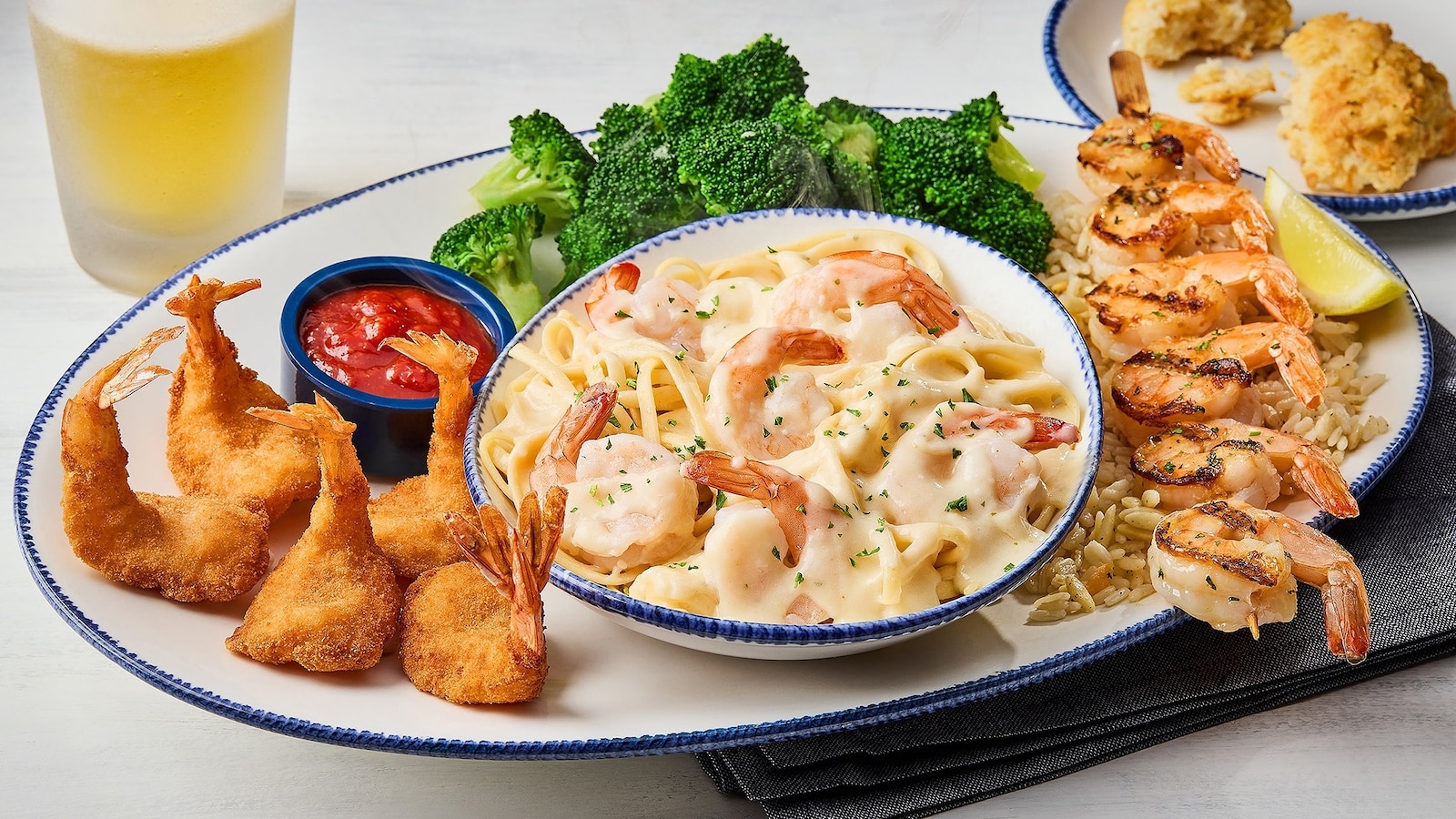
Red Lobster is bringing back its Endless Shrimp promotion nationwide at $25, featuring one new dish and four returning favorites, after the prior rollout contributed to $11 million in operational losses over just over three months and helped trigger Chapter 11 restructuring in 2024. Management is now betting that strong customer demand and social media enthusiasm can support traffic and value perception, even as the company still struggles to return to profitability. The announcement is positive for brand engagement, but the broader financial impact is likely limited.
The real signal here is not a shrimp promotion but a deliberate re-anchoring of demand around a high-frequency value hook. That typically helps traffic in the first 4-8 weeks, but the second-order effect is margin compression if the promotion over-indexes on price-sensitive customers who trade down basket mix and attachment spend. In casual dining, value deals often create a near-term comp pop while quietly degrading restaurant-level profitability unless management can preserve beverage, dessert, and appetizer mix. The competitive read-through is more important than the company-specific one: this validates that legacy dine-in brands still need headline-grabbing offers to defend share against fast casual, delivery, and grocers. If this works, expect peers to respond with more aggressive limited-time offers, which can trigger a short-lived promotional arms race and pressure industry margins for one to two quarters. Suppliers with concentrated exposure to shrimp, breaded seafood, and promotional packaging may see volume volatility, but the bigger beneficiary is traffic-sensitive operators with better labor and procurement discipline than the headline-grabbers. The contrarian point is that management may be using a known traffic driver as a low-cost way to buy time while underlying profit recovery remains unfinished. That can be smart operationally, but it also means the market should not extrapolate sustained earnings improvement from a single LTO; the key watch item is whether incremental visits are truly incremental or just cannibalized from full-price occasions over the next 60-90 days. If social buzz fades quickly, the promotion becomes a one-time top-line pop with little lasting value. For investors, the best setup is to fade any overreaction in restaurant peers that are priced as if the promo wave will materially dent category economics. The more durable trade is to favor operators with strong value positioning and clean unit economics over those leaning on novelty promotions to drive traffic. This is a classic example where the headline is bullish for near-term sales visibility but only modestly constructive for fundamental quality unless management uses the traffic to rebuild habit, not just volume.
AI-powered research, real-time alerts, and portfolio analytics for institutional investors.
Request DemoOverall Sentiment
mildly positive
Sentiment Score
0.20
Ticker Sentiment
