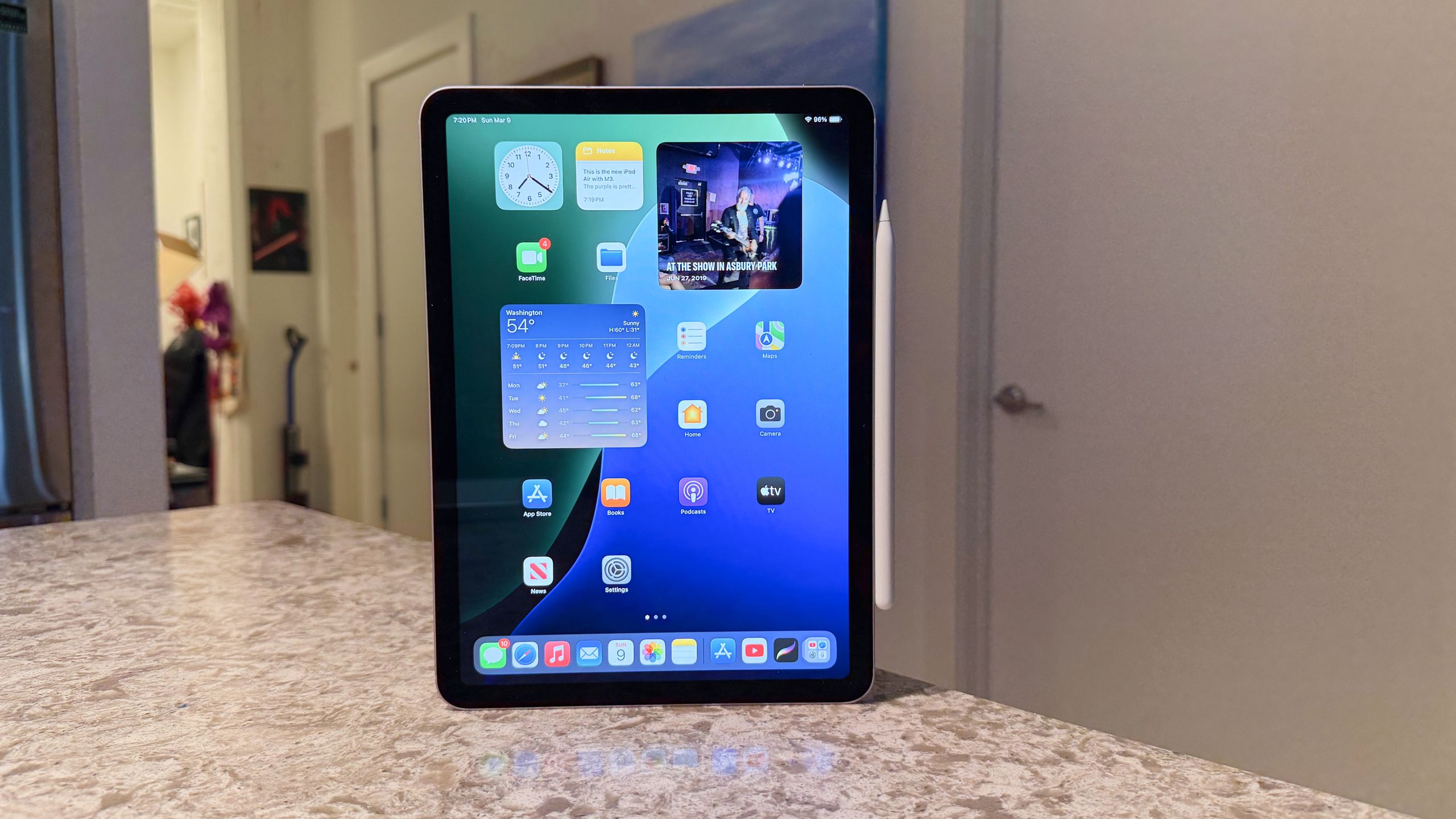
Apple is reportedly preparing refreshed standard iPad and iPad Air models expected soon (likely around an early-March cadence), with Bloomberg’s Mark Gurman citing chipset upgrades to an A18 in the standard iPad (from A16) and an M4 in the iPad Air (from M3). The A18 is said to enable Apple Intelligence on the standard iPad, representing a material feature upgrade, while overall industrial design and specs are expected to remain largely unchanged. For investors, the updates are incremental—supporting product competitiveness and AI enablement but unlikely to drive a major near-term revenue step-change given limited other upgrades.
Market structure: Incremental iPad/iPad Air refresh with A18 and M4 chips is a modest positive for AAPL (AAPL) and its wafer/connector suppliers—TSMC (TSM) should see steady foundry demand and Broadcom (AVGO) may get steady RF/Wi‑Fi content. Retail competitors (low‑end Android tablet makers) face continued pressure on price and margins; overall pricing power for Apple remains intact but upgrade pull‑through is likely modest (single‑digit unit growth vs prior year). Supply appears balanced — no major new BOM drivers — so inventory risk is low but concentrated at a few suppliers (TSM).
Risk assessment: Tail risks include EU/US regulatory scrutiny on Apple Intelligence (privacy/antitrust) and a TSMC capacity shock if yields slip; quantify: a ~10–15% hit to component orders would reduce supplier revenues materially. Immediate (days) — rumor-driven volatility; short (weeks/months) — buy‑the‑rumor/sell‑the‑news; long (12–24 months) — services monetization from AI could lift Services ARPU by ~2–4% if adoption is meaningful. Hidden dependency: adoption hinges on developer integration and iPad install base replacement cadence, not just chip capability. Key catalysts: Apple event (~early March), March quarter guidance, TSMC capacity updates.
Trade implications: Establish a tactical 1–2% long AAPL equity position 4–6 weeks ahead of a March launch to capture upgrade optimism; hedge with a 6–10 week AAPL 1.5–2x notional call spread rather than outright calls to control cost. Allocate 1% long TSM to play sustained wafer demand; consider buying AVGO on any pullback >5% due to steady component content. Use options: sell AAPL straddles 1–3 trading days after the event to capture IV crush if implied vol > historical 30‑day average by +20%. Rebalance/trim positions on a +8–12% AAPL move or after next earnings call.
Contrarian angles: Consensus underestimates two outcomes: (1) If A18 genuinely enables Apple Intelligence on entry models, upgrade cycle from 2019–2022 iPads could accelerate, producing a one‑time unit lift of ~3–5% over 6–12 months; (2) conversely, the market may overprice the significance of incremental chips—historically Apple incremental tablet refreshes produce muted EPS impact. Watch for unintended cannibalization of MacBook entry sales and for supplier concentration risk at TSM: if TSM guidance softens, semis/supplier shorts become attractive. Tactical trigger: if AAPL drops >5% on launch day, scale to 3% position; if shares rally >12% pre-earnings, take profits.
AI-powered research, real-time alerts, and portfolio analytics for institutional investors.
Request DemoOverall Sentiment
mildly positive
Sentiment Score
0.35
Ticker Sentiment
