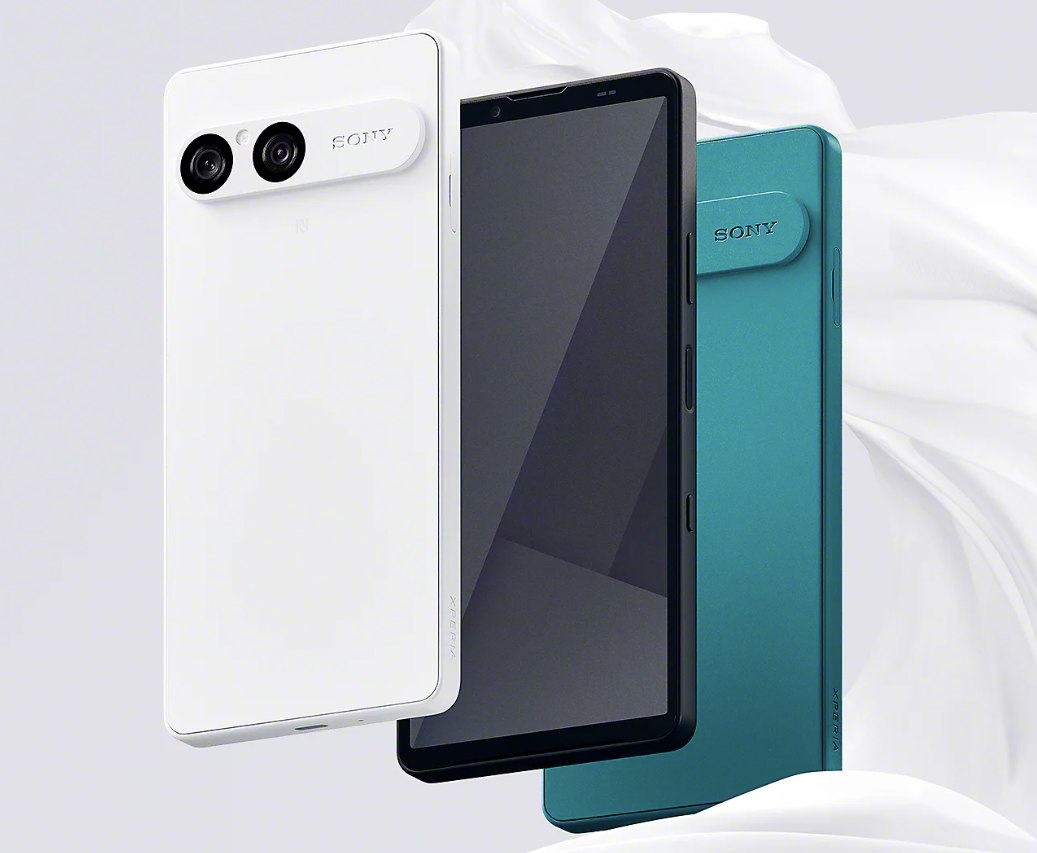
Sony is developing two Xperia models for 2026 — the flagship Xperia 1 VIII and mid-range Xperia 10 VIII — with IMEI and certification filings indicating regional variants (PM-1520-BV to PM-1525-BV and PM-1530-BV to PM-1535-BV) and a likely May–June 2026 unveiling. The Xperia 1 VIII is expected to feature a 6.5-inch 4K OLED, next‑gen Snapdragon flagship silicon and upgraded Exmor T sensors, with tentative pricing of $1,200–$1,400, while the Xperia 10 VIII targets $400–$600 with mid-tier silicon and improved battery life. The developments matter because they signal Sony’s continued investment in its niche, pro‑grade Android lineup after 2025’s Xperia 1 VII power defects and temporary European sales suspension, although Xperia operates with thin margins and limited market share, constraining the potential upside for investors.
Market structure: Sony (SONY) and its semiconductor partner Qualcomm (QCOM) are the immediate beneficiaries—SONY from potential ASP recovery in premium niche phones ($1,200–$1,400) and QCOM from chipset content if Snapdragon 8 Elite Gen 5 is used. Losers are mass-market OEMs who compete on volume/price (pressure on Samsung/Google to differentiate) and component commoditizers if Sony’s Exmor T sensors remain exclusive. Supply/demand looks balanced short-term (no major component scarcity signaled), but demand risk persists: a successful Xperia 1 VIII could raise ASPs by ~10–15% in Sony’s handset revenue stream, yet absolute volume lift is likely <1–2% of global smartphone units.
Risk assessment: Tail risks include a repeat power/battery defect or a major recall (probability 3–8%), Qualcomm supply hiccups, or failure to secure sensor exclusivity; either could erase expected upside. Immediate window (days): minimal market reaction to leaks; short-term (weeks–months): certification and pre-order signals are key catalysts; long-term (quarters): durable turnaround requires sustained market-share improvement (>0.5–1ppt) and margin recovery. Hidden dependencies include PlayStation/Bravia ecosystem synergies and sensor/IP licensing that materially affect margin leverage.
Trade implications: Establish a small tactical long in SONY (2–3% notional) ahead of May–June 2026 reveal, target 12–18% upside in 3–6 months with an 8% stop-loss; add 1–2% long QCOM as a supply-side hedge. Use options to concentrate risk: buy SONY Jul 2026 call spreads 10–15% OTM (debit spread) sized to equal 50–75% of the equity leg and buy short-dated puts covering launch-week exposure to cap downside. Rotate 1–2% from broad consumer-tech longs into semiconductor exposure (SMH) to capture supplier upside.
Contrarian lenses: The market underestimates niche premium resilience—Sony can sustain higher ASPs from creators even with low volumes, making downside limited absent defects. Historical parallels (Sony Xperia cycles) show events-driven 10–25% short-term moves on credible product turns; conversely, over-emphasis on leaks risks overpaying if launch execution is weak. Unintended consequence: a stronger flagship could cannibalize Xperia 10 pricing power or inflate marketing costs—watch pre-order conversion rates and carrier allocations as leading indicators.
AI-powered research, real-time alerts, and portfolio analytics for institutional investors.
Request DemoOverall Sentiment
neutral
Sentiment Score
0.15
Ticker Sentiment
