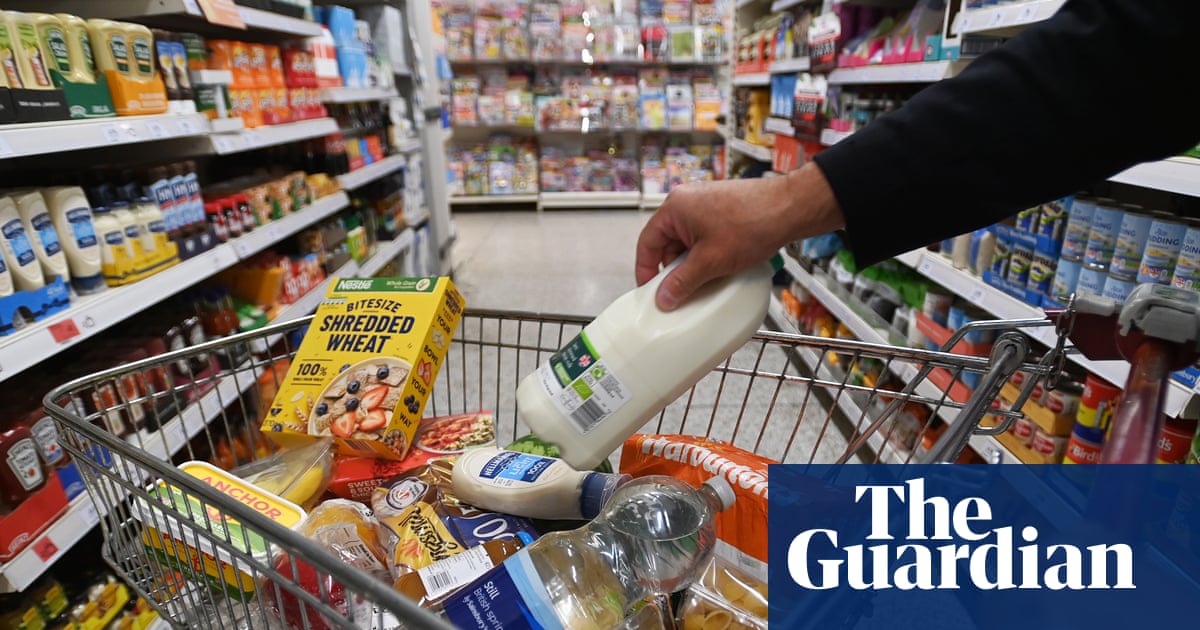
UK officials are քննարկing a voluntary freeze on some essential grocery prices, with the SNP separately proposing caps on 20 to 50 staple items including bread, milk, cheese, eggs, rice and chicken. Retailers warn the move would raise costs, distort competition and could create shortages or cross-subsidized price increases elsewhere, while the policy discussion reflects pressure from inflation and the Middle East conflict. The proposal is still at an early stage, with no agreement yet and the Treasury saying more details will follow.
This is less about near-term margin compression at supermarkets and more about a policy signal that food inflation is becoming politically sensitive again. Even a voluntary freeze would likely be selectively applied to high-frequency basket items, which means grocers would use margin recovery elsewhere: private label mix shifts, promotional pullbacks, and vendor funding pressure. That creates a second-order loser set in branded CPG and food producers with weak pricing power, while discounters and vertically integrated chains should be better able to absorb the optics without a full P&L hit.
The bigger risk is not the headline freeze itself but the precedent it sets: once politicians frame essentials as quasi-regulated, suppliers start pricing in intervention risk, which can slow promotion cadence and distort inventory decisions for several quarters. In a period of higher fuel, labor, and utility costs, a mandated low-price basket effectively taxes the middle of the assortment — the least visible but most profitable items — so the ultimate inflation impulse could shift rather than disappear. If this escalates from voluntary to formalized or spreads to Scotland via devolved powers, expect a sharper reaction in grocery gross margins and a wider read-through to UK food supply chain names.
Consensus seems to be underestimating the asymmetry: markets usually treat these proposals as political theater, but even partial implementation can force real operational complexity and raise working-capital needs. The more durable trade is not shorting supermarkets outright, but positioning for relative underperformance in names with low private-label mix, higher UK exposure, and weaker supplier leverage versus those with scale and price architecture flexibility. If cost-of-living measures announced this week are lightweight, the trade likely reverses quickly; if they include any quasi-freeze language, the market will re-rate the sector within days, not months.
AI-powered research, real-time alerts, and portfolio analytics for institutional investors.
Request DemoOverall Sentiment
mildly negative
Sentiment Score
-0.25
