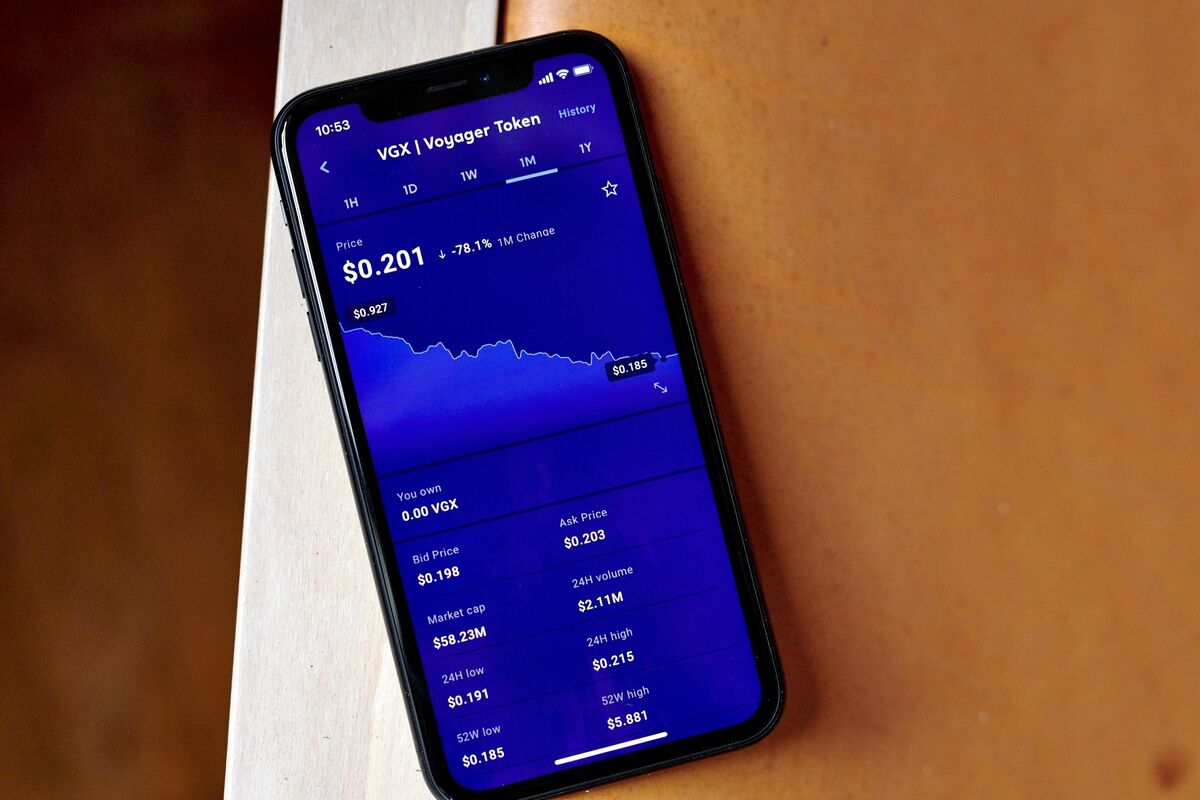
The CFTC has ordered Stephen Ehrlich, former CEO of bankrupt crypto lender Voyager Digital, to pay $750,000 to customers and imposed a three-year ban on commodity trading, underscoring ongoing regulatory enforcement against executives of failed digital asset platforms.
The Commodity Futures Trading Commission (CFTC) has finalized a consent order with Stephen Ehrlich, the co-founder and former CEO of the bankrupt crypto lender Voyager Digital Ltd. Under the terms of the settlement, which does not require an admission of guilt, Ehrlich is mandated to pay $750,000 to affected Voyager customers and is barred from trading commodities for a three-year period. This enforcement action, while specific to a single executive, signifies a continuing trend of regulatory bodies holding leadership accountable for the failures of digital asset platforms. The relatively small financial penalty and low market impact score of 0.15 suggest this event is viewed as an isolated resolution concerning a defunct entity, rather than a systemic shock to the broader crypto market. The action reinforces the legal and reputational risks faced by executives in the loosely regulated crypto industry.
AI-powered research, real-time alerts, and portfolio analytics for institutional investors.
Request DemoOverall Sentiment
moderately positive
Sentiment Score
0.50
