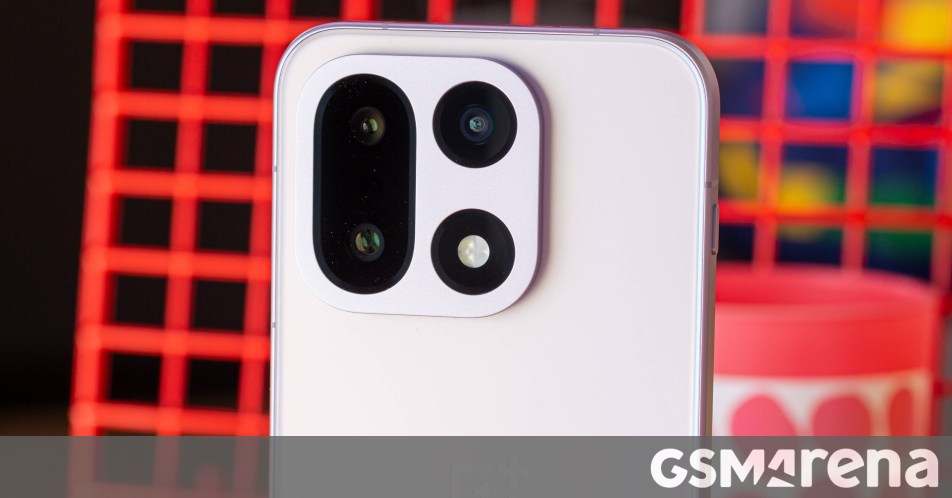
OnePlus 16 leaks suggest a Snapdragon 8 Elite Gen 6 Pro (SM8975) chip, a custom 6.78-inch 1.5K LTPO BOE display, and ultra-thin ~1mm bezels. Reported display targets include a 185Hz minimum refresh rate and up to 240Hz, plus a custom touch IC and possible BT.2020 color gamut support. Prior rumors also point to dual 200MP cameras and a 9,000 mAh battery with 120W wired and 50W wireless charging.
QCOM is getting a modest but non-trivial option value bump from the rumor stream, not because this handset moves near-term earnings, but because it signals continued premium-Android design wins into a generation where OEM differentiation is being rebuilt around display, battery, and AI thermals rather than raw camera count. The deeper read is that Qualcomm’s value capture is migrating upstream: if a handset launches with a halo spec stack, it can justify higher SoC ASPs and stronger attach on RF, modem, and power-management content, especially in China-tier flagship devices where brand competition is intensely spec-driven.
The second-order dynamic is competitive pressure on other Android silicon vendors and on handset peers. If a premium OnePlus device ships with an aggressively high-refresh, high-density panel and large battery, it resets consumer expectations for the sub-$1,000 segment and forces rivals to spend more on display supply, cooling, and battery packaging to keep up. That usually helps BOE and other component suppliers with strong flagship share, while squeezing OEM gross margin unless volume offsets the bill-of-materials creep.
The market is likely underweighting the timing mismatch: the catalyst is months away, while the stock can trade on leaked feature specs well before Qualcomm’s formal product cycle confirms anything. That creates a setup where QCOM can drift higher on sentiment, then give back some gains if the final chipset naming/specs disappoint or if Samsung/Foundry chatter reintroduces qualification risk. The contrarian point is that the phone itself is not the earnings driver; the real driver is whether this leak is evidence of a broader premium Android refresh cycle, which would matter more for FY27 handset mix than for the next two quarters.
For the handset ecosystem, the risk is that the market extrapolates one flagship rumor into a broad demand upswing that may never arrive. Consumers increasingly wait longer for actual software/AI differentiation, so speculative hardware arms races can improve buzz without materially improving unit growth. If the phone lands with these specs, the near-term winner is likely the component stack, not the OEM, unless launch demand clearly translates into share gains versus Samsung and Xiaomi.
AI-powered research, real-time alerts, and portfolio analytics for institutional investors.
Request TrialOverall Sentiment
neutral
Sentiment Score
0.15
Ticker Sentiment
