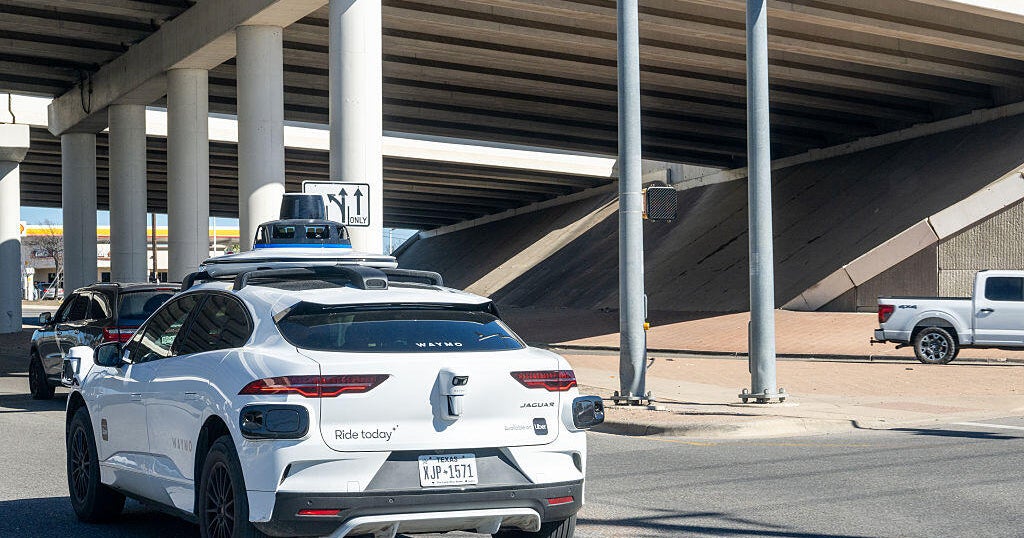
The NTSB has opened a probe into Waymo robotaxis after at least two dozen incidents in Austin in which vehicles failed to yield to school buses, with at least four violations occurring after a November software update; the Austin ISD asked Waymo to halt operations during bus hours. Waymo says there were no collisions and that performance has improved, but the investigation — which the NTSB says could take 12–14 months with a preliminary report in 30 days — and an expanded NHTSA inquiry elevate regulatory and reputational risk for Waymo (Alphabet’s AV unit) and could constrain local operations and deployment plans.
Market structure: The NTSB probe raises short-term operating constraints for Waymo (Alphabet/GOOGL) in municipal markets and increases compliance costs across robotaxi operators; expect localized rollback of deployments (Austin-like) and modest pricing power loss for AV service providers over 3–12 months. Winners in the near term include human-driven ride-hail operators (UBER/LYFT) and ADAS/sensor suppliers that sell safety retrofits; suppliers could see order growth of +5–15% in retrofit demand if jurisdictions mandate upgrades.
Risk assessment: Tail risks include a high-impact regulatory clampdown (nationwide operating pause or strict certification regime) or a fatality that triggers mass liability suits—each could cut commercialization pace by >50% over 12–24 months. Timing: immediate (days) for reputational and local restrictions, short-term (30–90 days) for an NTSB preliminary report and NHTSA action, long-term (6–24 months) for rulemaking; hidden dependency: school-district and municipal ordinances can materially constrain rollout faster than federal action.
Trade implications: Tactical hedges on Alphabet equity/option exposure are warranted (volatility to rise around the 30‑day preliminary report). Long ideas: well-capitalized ADAS suppliers (Mobileye MBLY, Luminar LAZR) as regulatory-driven safety upgrades are more probable than AV abandonment; short/hedge ideas: concentrated exposure to AV-platform revenue (direct Waymo bets) and small-cap pure-play robotaxi operators that lack balance-sheet depth.
Contrarian angle: The market may over-penalize large diversified parents (GOOGL) while underpricing durable demand for safety hardware/software; a calibrated regulatory regime would raise barriers to entry, benefiting incumbents with scalable sensor stacks. Historical parallel: 2016–2018 AV crashes caused temporary pullbacks but accelerated standards and supplier revenue; expect similar pattern—short-term headline pain, medium-term structural consolidation.
AI-powered research, real-time alerts, and portfolio analytics for institutional investors.
Request DemoOverall Sentiment
mildly negative
Sentiment Score
-0.30
