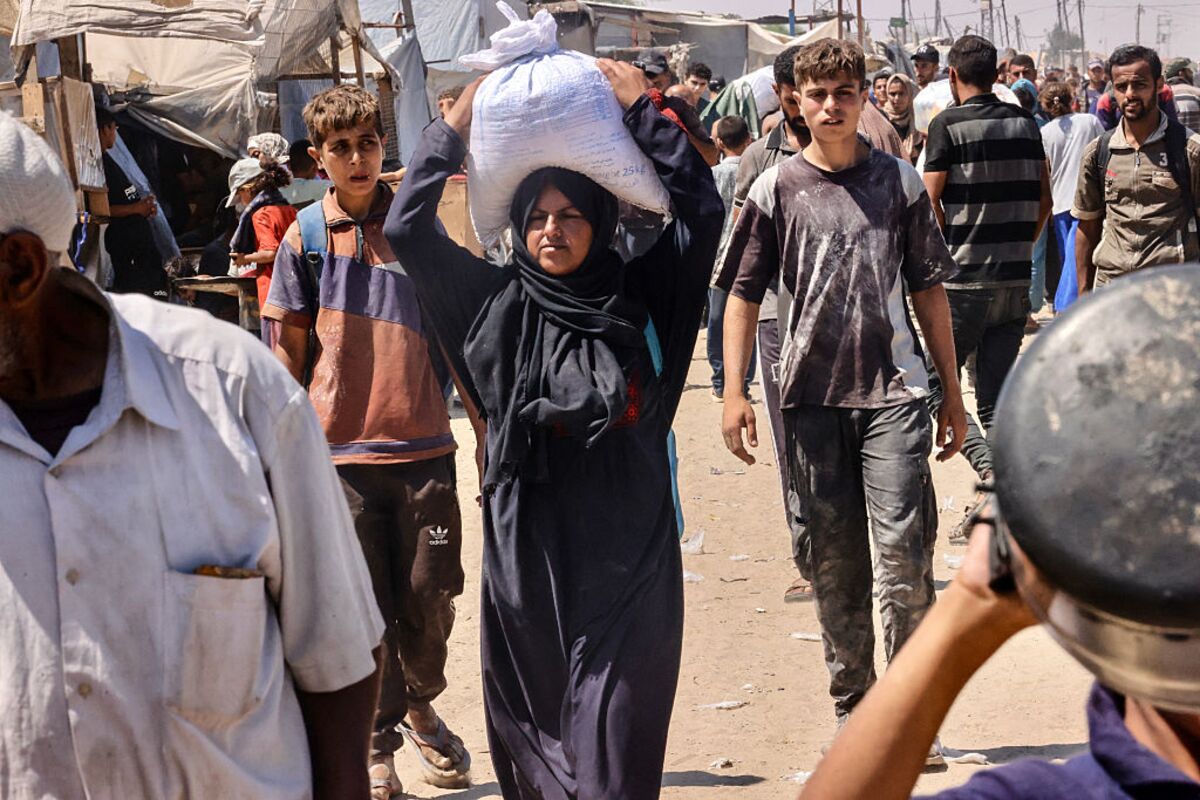
Israel has eased some aid restrictions in Gaza over the weekend, aiming to mitigate the severe hunger crisis and address growing international pressure. Actions include the IDF suspending certain military operations to facilitate UN relief convoys and restoring electricity to a key desalination plant, signaling a response to humanitarian concerns that could impact regional geopolitical stability.
Israel's decision to ease aid restrictions in Gaza, specifically by suspending some military operations to facilitate UN convoys and restoring electricity to a desalination plant, represents a tactical shift in response to mounting international pressure over the region's humanitarian crisis. While the market impact score is low at 0.1, this development is a key geopolitical data point. It suggests a sensitivity to global outcry that could influence the future trajectory of the conflict. The action, though limited, may temper immediate escalatory risks and serves as a signal that diplomatic pressure can yield tangible, albeit localized, changes in operational strategy. For investors, this move slightly reduces the tail risk of a wider regional conflict that could be triggered by an unmitigated humanitarian disaster in the enclave.
AI-powered research, real-time alerts, and portfolio analytics for institutional investors.
Request DemoOverall Sentiment
mildly positive
Sentiment Score
0.15
