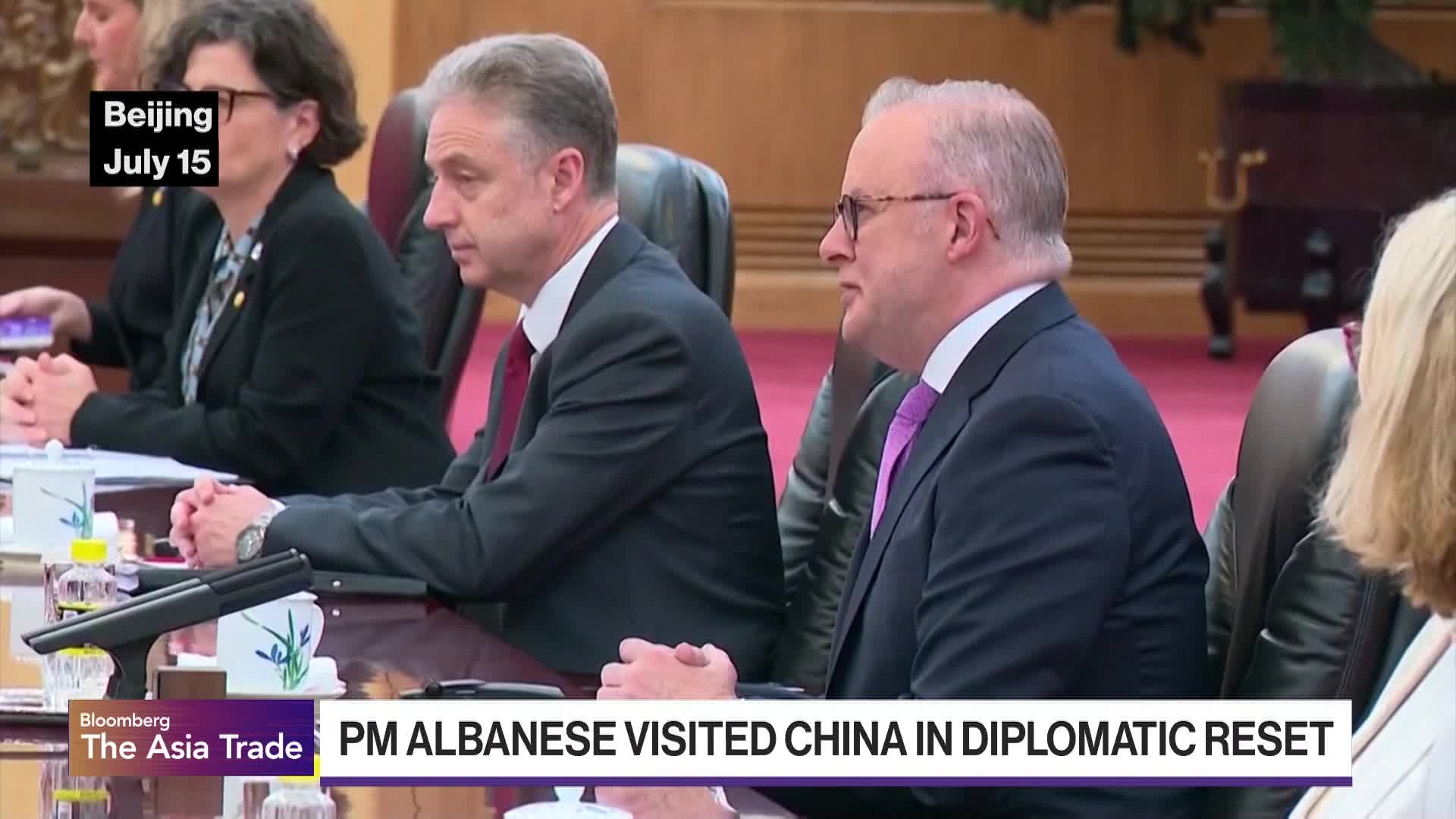
Australia's parliament has reconvened following Labor's landslide re-election in May, marking the formal start for the second Albanese government. The new administration faces immediate economic and geopolitical challenges, notably the nearing Trump tariff deadline, signaling a critical focus on trade and foreign policy in the coming period.
Following a landslide re-election victory in May, Australia's Labor government has reconvened parliament to immediately confront a landscape of growing economic and geopolitical challenges. The most pressing near-term issue, as highlighted in the report, is an approaching tariff deadline linked to the U.S., which places Australian trade and foreign policy at a critical juncture. Expert commentary from KPMG underscores that the second Albanese government's navigation of this trade environment will be a key determinant of the nation's economic trajectory. The situation is characterized by significant uncertainty and a mildly negative sentiment, reflecting the tangible risks that potential trade disruptions pose to the Australian economy and related assets.
AI-powered research, real-time alerts, and portfolio analytics for institutional investors.
Request DemoOverall Sentiment
mildly negative
Sentiment Score
-0.25
