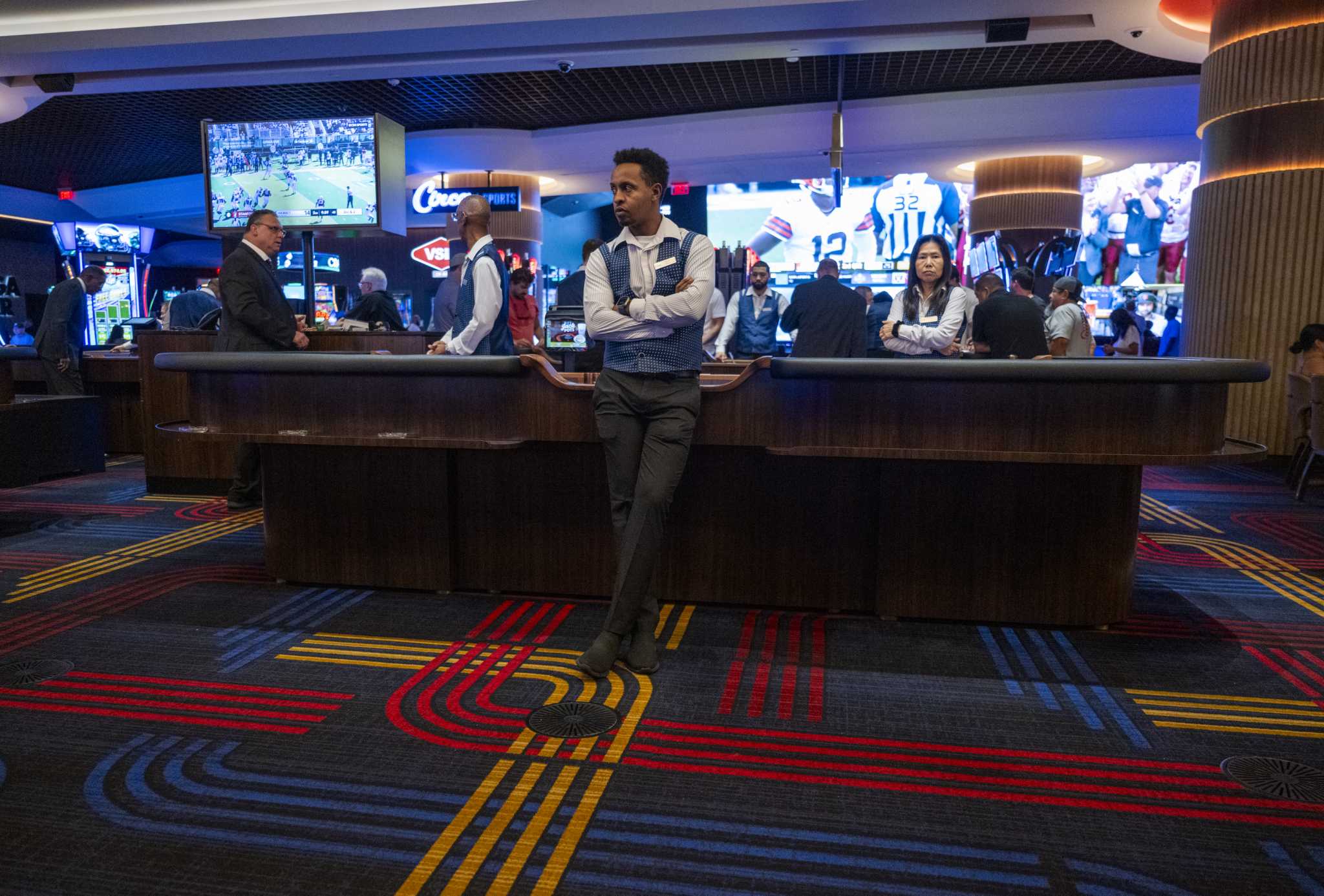
Las Vegas is experiencing a notable downturn in tourism, with July figures indicating a 12% decrease in visitors and a 7.6 percentage point drop in hotel occupancy year-over-year. This decline, partly fueled by a negative social media narrative regarding high prices and poor value, reflects broader U.S. consumer uncertainty and a potential end to post-pandemic 'revenge travel.' While convention attendance saw a 10.7% increase, the industry is responding by offering promotional deals and emphasizing value-driven experiences, particularly sports tourism, to attract budget-conscious consumers and counter the perception of exorbitant costs.
The Las Vegas tourism market is facing a significant contraction, as evidenced by key July metrics showing a 12% year-over-year decrease in visitors and a 7.6 percentage point decline in hotel occupancy. This downturn is driven by a combination of macroeconomic headwinds, including broader U.S. consumer uncertainty and a potential end to the post-COVID 'revenge travel' boom, and a damaging social media narrative criticizing exorbitant prices. While anecdotal and quantitative data point to weakening leisure demand and reduced discretionary spending, the situation is nuanced; convention attendance registered a strong 10.7% year-over-year increase, signaling resilience in the business travel segment. In response to the negative perception, exemplified by high-priced items at resorts like MGM's Aria, some operators are deploying countermeasures such as promotional packages and fee waivers. The market is also undergoing a strategic shift, with an increased emphasis on sports tourism as a potential buffer against volatility in traditional leisure travel.
AI-powered research, real-time alerts, and portfolio analytics for institutional investors.
Overall Sentiment
moderately negative
Sentiment Score
-0.50
Ticker Sentiment
