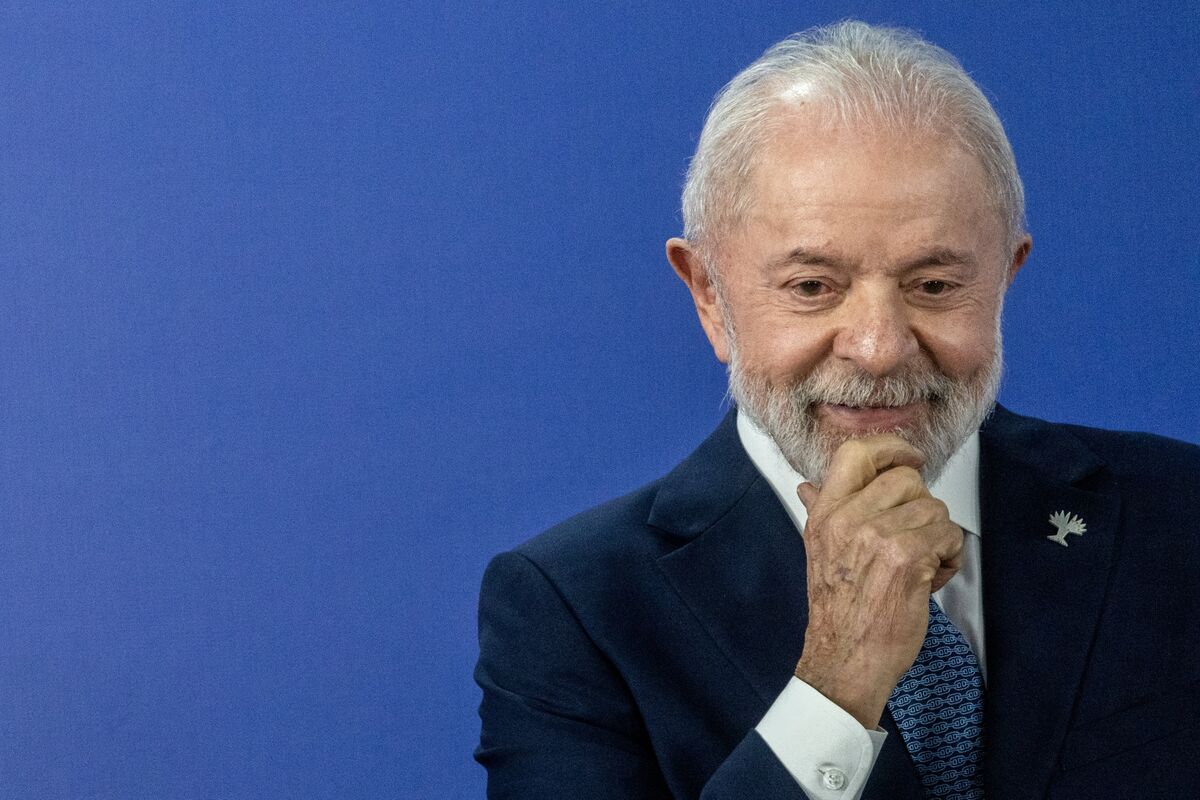
Brazilian President Luiz Inacio Lula da Silva's approval rating rose to just over 50% in late July, up from 49.7% two weeks prior, with his disapproval falling to 49.7% from 50.3%, according to a LatAm Pulse survey conducted by AtlasIntel. This increase in popularity occurred in the days leading up to anticipated 50% tariffs from Donald Trump, suggesting potential domestic political strengthening amidst escalating international trade tensions.
Recent polling data from an AtlasIntel survey indicates a marginal improvement in Brazilian President Luiz Inacio Lula da Silva's domestic political standing, with his approval rating rising to just over 50% from 49.7% in late July, while his disapproval rating concurrently fell to 49.7% from 50.3%. This minor shift, within the survey's 1% margin of error, suggests a highly polarized electorate and a fragile political mandate. The timing of this polling is significant, occurring just ahead of a threatened 50% tariff imposition on Brazilian goods by a potential US administration under Donald Trump. The slight uptick in popularity could signal a nascent 'rally 'round the flag' effect, but it does little to mitigate the substantial macroeconomic risk posed by a potential trade war. The primary takeaway for investors is the juxtaposition of a tenuous domestic political situation against escalating geopolitical and trade policy risks, which introduces significant uncertainty for Brazilian assets.
AI-powered research, real-time alerts, and portfolio analytics for institutional investors.
Request DemoOverall Sentiment
neutral
Sentiment Score
0.00
Ticker Sentiment
