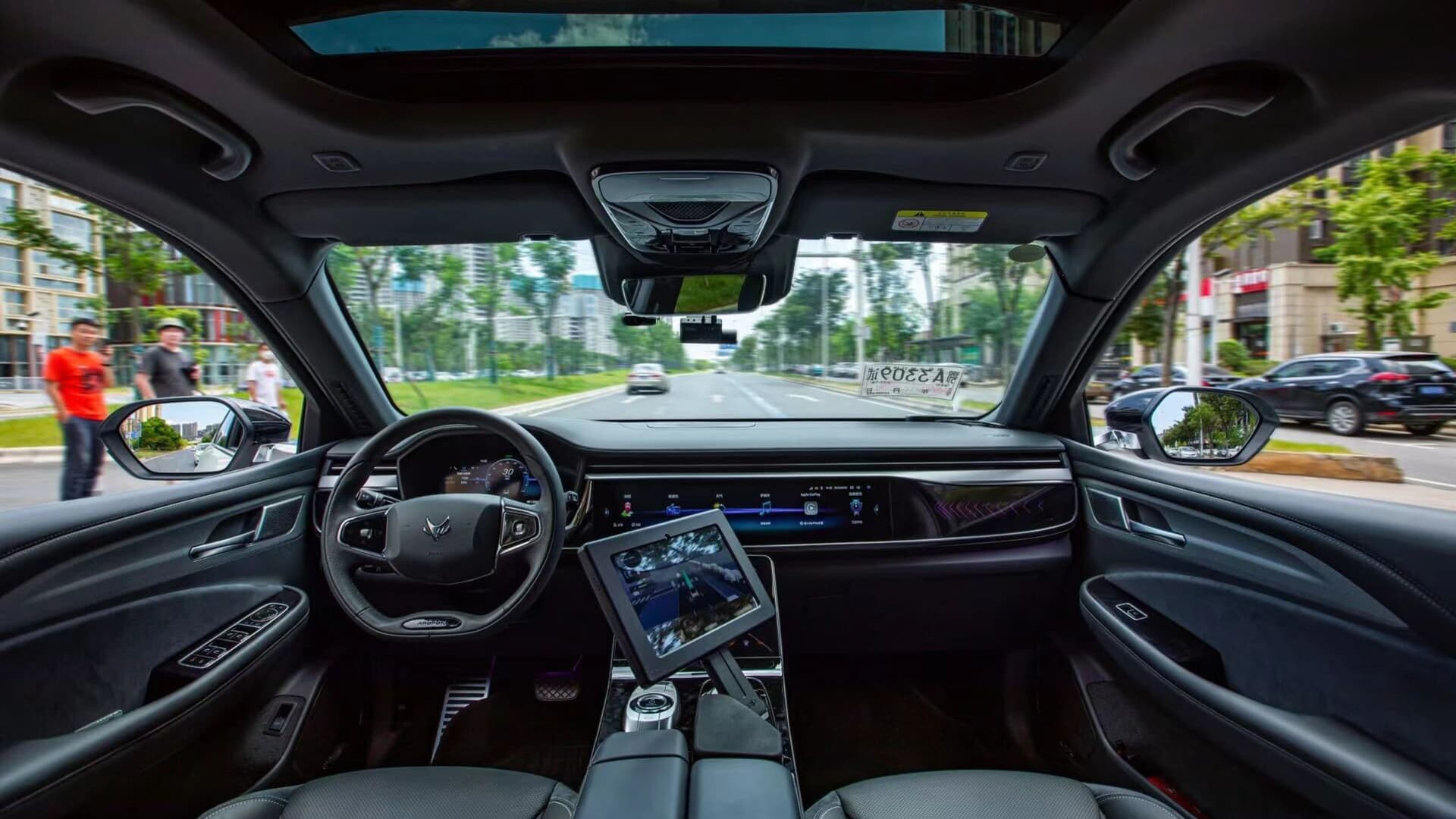
Multiple Apollo Go robotaxis stalled mid-traffic in Wuhan, trapping passengers and prompting highway collisions; Wuhan traffic police say preliminary findings point to system malfunctions. Wuhan is Apollo Go's largest deployment with >1,000 driverless vehicles, and Baidu reported Apollo Go delivered 3.4 million fully driverless rides in Q4 2025 and claims 300 million autonomous kilometers. The incident elevates reputational, regulatory and insurance risk for Baidu's driverless unit and could pressure shares or prompt operational restrictions—monitor Chinese regulator responses, insurance-standardization efforts and any local service suspensions.
A recent high-profile operational failure materially increases near-term regulatory and insurance friction for large-scale autonomous fleets. Municipalities will likely demand higher redundancy (remote supervisors, fallback teleoperation, stricter telemetry/black-box requirements) which — by conservative estimate — could raise per-ride opex 10–20% for full driverless deployments and push multi-year ROI timelines out by 12–24 months.
The competitive landscape shifts from pure technology leadership toward operational risk management and capital efficiency. Large incumbents with broad deployments face greater political and reputational liability; smaller, more geographically diversified or niche AV players can win business if they demonstrate superior incident telemetry, clearer insurance wraps, or lighter capital intensity, creating a runway for reallocation of capex away from aggressive scale-ups toward safety and verification programs.
Market catalysts to watch over the next 3–12 months are: finalized insurance product rules, municipal permit revisions, and any class-action or regulatory investigations that define liability precedents. The immediate sell-off (if any) will be headline-driven; a longer-term de-rating is only justified if insurers raise premiums materially or regulators mandate expensive retrofits — either of which would compress EBITDA margins across players and create selective alpha for firms that can monetize safer operations or offer third‑party safety software/services.
AI-powered research, real-time alerts, and portfolio analytics for institutional investors.
Overall Sentiment
mildly negative
Sentiment Score
-0.35
Ticker Sentiment
