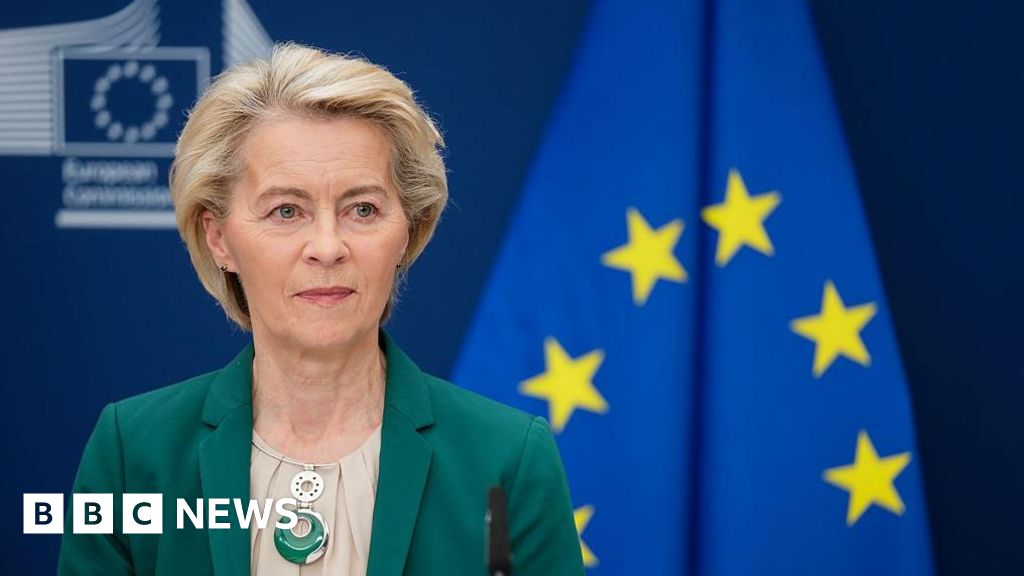
The European Union has again delayed its retaliatory tariffs on €21 billion worth of US goods until early August, responding to President Trump's announced 30% tariffs on EU imports effective August 1 and his warning against EU countermeasures. European Commission President Ursula von der Leyen indicated this extension aims to facilitate a negotiated solution, though the EU is simultaneously preparing for potential countermeasures, with trade ministers convening to determine their strategic response. This move underscores ongoing transatlantic trade tensions while signaling the EU's preference for diplomacy despite readiness for escalation.
The European Union's decision to again delay its retaliatory tariffs on €21 billion of US goods until early August is a tactical de-escalation in response to a direct threat from the Trump administration to impose 30% tariffs on EU imports from August 1. This temporary reprieve, framed by European Commission President Ursula von der Leyen as an opportunity for a "negotiated solution," belies the underlying tension, as the EU simultaneously continues preparations for its countermeasures. The unified calls from key member states like Germany and France to "resolutely defend European interests" lend credibility to the EU's threat of retaliation, establishing a precarious balance between diplomacy and conflict. The situation heightens market uncertainty, positioning the August 1 deadline as a critical inflection point for transatlantic trade relations and for industries caught in the crossfire. This development is part of a broader, aggressive US trade strategy targeting multiple nations, which amplifies global trade policy volatility.
AI-powered research, real-time alerts, and portfolio analytics for institutional investors.
Request DemoOverall Sentiment
mixed
Sentiment Score
0.10
