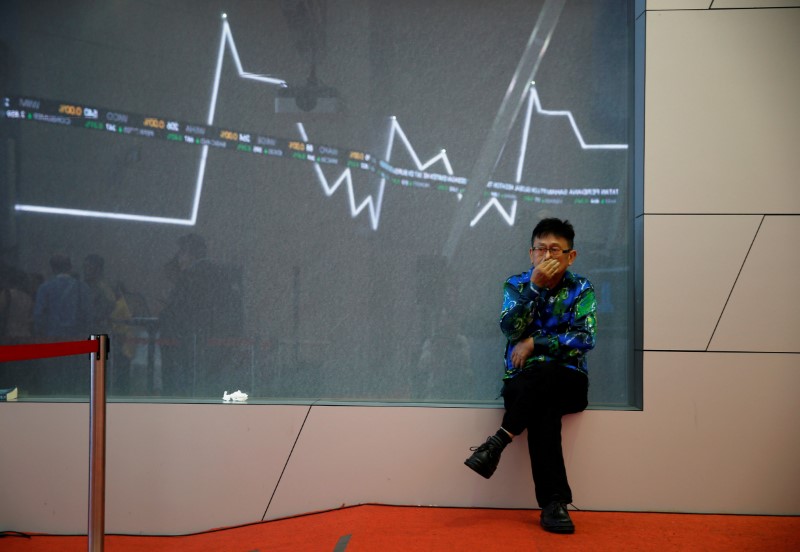
The IDX Composite fell 0.35% to a 6‑month low as decliners outnumbered advancers 459 to 245 (150 unchanged). Notable intraday movers included PMJS +34.82% to 151 (52‑week high), ESIP +27.38%, IFSH +25%, while CHEM -15.00%, KKGI -11.05% (3‑year low), and NSSS -10.20% weighed on the market. Energy and commodity prices rose with WTI crude +0.99% to $113.52/bbl and Brent +0.95% to $110.81; USD/IDR weakened 0.45% to 17,082.70, signaling FX pressure for Indonesian assets.
A near-term geopolitical risk premium is amplifying commodity and FX moves and selectively transmitting into EM equity weakness via two mechanical channels: higher oil raises input and shipping costs (compressing margins in agriculture, basic industry and construction) while a weaker local currency increases the local-currency cost of USD debt and imported inputs. That combination explains why capital-light exporters can outperform capital-intensive domestic cyclicals even inside the same market — the stress is distributional, not uniform.
Second-order winners are firms with USD revenue or natural-hedges (miners, oil & gas producers, and outsourcers of cloud/costs), as they gain both ledger translation and margin relief; losers are small- and mid-cap domestically focused names with FX-denominated debt and thin hedges. For large-cap tech players implicated by M&A/newsflow (AVGO, GOOGL), the transmission is more about funding/valuation environment than fundamentals: Broadcom-style consolidation reduces capex uncertainty for hyperscalers but raises regulatory and execution risk that compresses multiples in the short run.
Key catalysts and time horizons: a tactical oil spike can unwind in days-to-weeks if diplomatic noise falls or SPR releases occur, but a sustained oil/FX shock over months would force EM rate tightening and widen credit spreads (triggering earnings revisions in 2–6 quarters). Contrarian angle — current EM sell-off appears to price a persistent 6–12 month stagflation shock; if oil moderates and capital flows stabilise, expect rapid mean-reversion in large exporters and broadband/cloud beneficiaries within 3 months.
AI-powered research, real-time alerts, and portfolio analytics for institutional investors.
Overall Sentiment
mildly negative
Sentiment Score
-0.15
Ticker Sentiment
