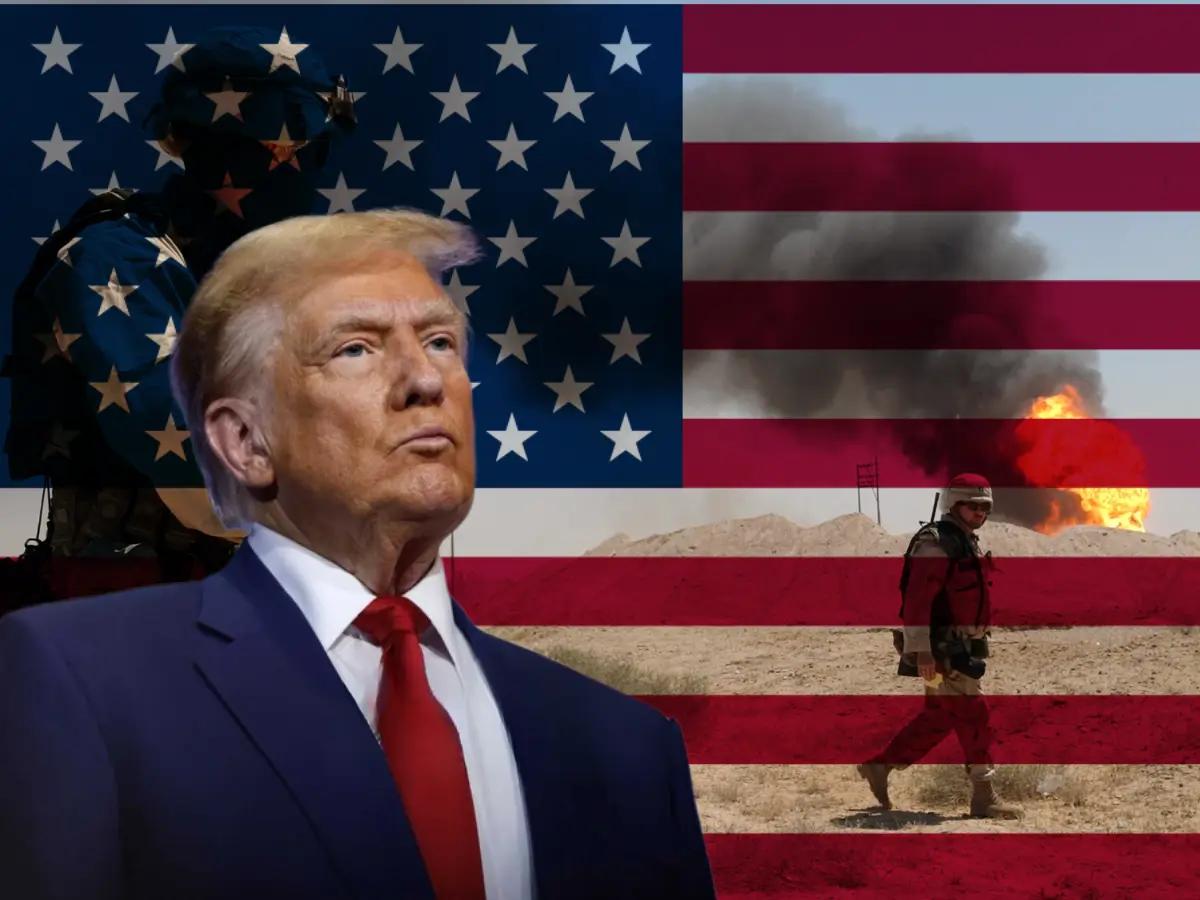
On Feb. 28, following coordinated US-Israeli strikes (Operation Epic Force/Operation Lion's Roar), Iran launched retaliatory missile strikes across the Gulf, with Bahrain reporting a strike on a facility housing the US Fifth Fleet service centre and missile engagements or interceptions reported over Qatar, Kuwait and the UAE. Key US installations named include Bahrain's Fifth Fleet headquarters, Qatar's Al Udeid Air Base, the UAE's Al Dhafra Air Base, Kuwait's Camp Arifjan and Ali al Salem Air Base, and US forces in Iraq and Syria remain on alert; multiple air defences reportedly intercepted missiles. The escalation materially raises regional military risk, with potential near-term implications for oil market volatility, risk premia on regional assets and defense-related exposures.
Market structure: Immediate winners are defense primes (Lockheed Martin LMT, Raytheon RTX, Northrop NOC, General Dynamics GD) and large integrated oil producers (Exxon XOM, Chevron CVX) via a short-term geopolitical risk premium; losers include airlines/tourism (JETS, UAL), Gulf EM FX and regional sovereign debt. Expect a 3–10% tactical oil premium (Brent) if Strait-of-Hormuz or tanker attacks intensify, pushing regional shipping insurance and freight rates higher and compressing airline margins.
Risk assessment: Tail risks include full-scale Iran–US escalation causing >1.0 mb/d supply disruption and Brent >$100–130 within weeks, or cyber/port disruptions that raise logistics costs 5–15%. Near-term (days) see volatility spikes across oil, gold and FX and a 10–30 bps drop in 10y yields; medium-term (3–12 months) could drive 3–7% revenue upside for top defense primes if procurement accelerates; long-term implies structurally higher defense budgets over 12–36 months.
Trade implications: Tactical trades: buy defense exposure via LMT/RTX LEAPs and oil call spreads while shorting airline ETF JETS or buying 3-month puts; hedge equity exposure with long-duration Treasuries (TLT). Act fast for tactical energy/airline trades (within 48–72 hours), hold defense positions 6–12 months and trim if headline de-escalation occurs within 14 days or Brent reverts below $75.
Contrarian angles: The market may overshoot: historical parallels (2019 tanker incidents, Jan 2020) show oil/defense spikes often mean-revert in 6–12 weeks after diplomatic de-escalation. If defense stocks run >10% faster than warranted by backlog growth, sell covered calls or take profits; if oil spikes but inventories/Sprays are announced or OPEC cushions supply, consider shorting the peak with call spreads.
AI-powered research, real-time alerts, and portfolio analytics for institutional investors.
Request TrialOverall Sentiment
strongly negative
Sentiment Score
-0.60
