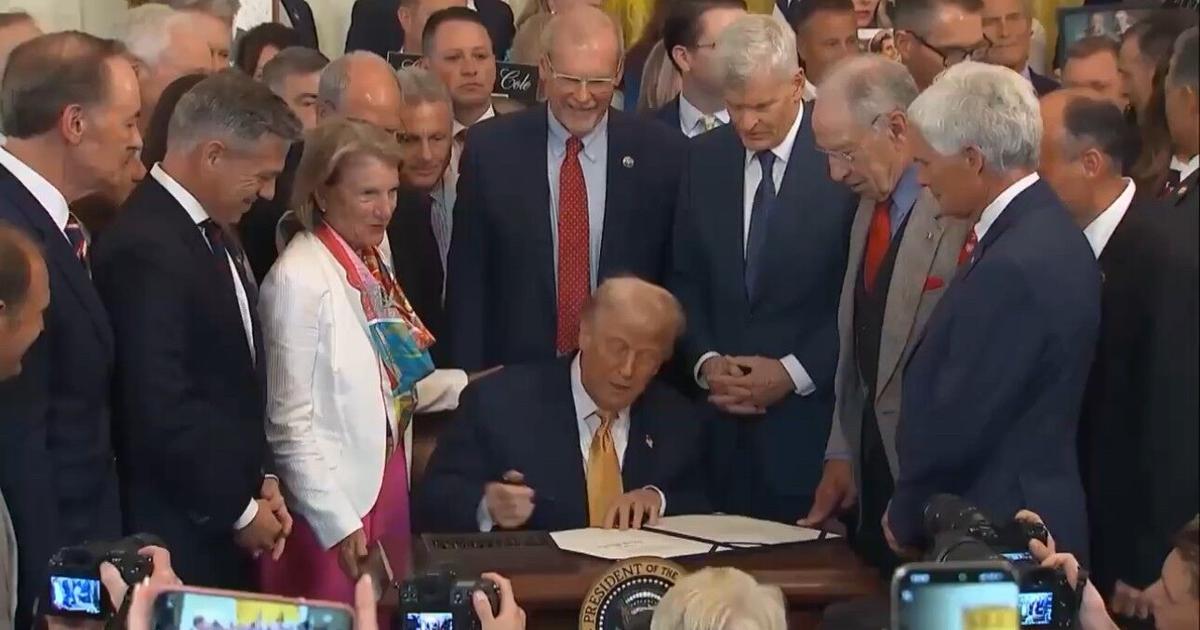
President Trump withdrew Casey Means’ nomination for surgeon general after criticizing Sen. Bill Cassidy as “very disloyal” for not scheduling a confirmation vote. Trump said he will nominate Dr. Nicole B. Saphier instead and urged Louisiana Republicans to vote Cassidy out in the May 16 primary. The article is primarily a political personnel update with limited direct market impact.
This is less about the surgeon general seat itself than about how quickly the MAHA wing can be translated into personnel leverage inside HHS. The immediate market signal is that RFK Jr.’s policy agenda is vulnerable to selective enforcement by Senate gatekeepers, which increases the odds of a slower, more diluted regulatory push than the activist base expects. That matters because the tradeable version of MAHA has tended to assume a clean sweep of pro-supplement, anti-industrial-food, and anti-vaccine rhetoric into policy; this episode argues for a higher discount rate on those assumptions. Second-order, the beneficiary set shifts from the most politically exposed consumer-health names to incumbents with stronger regulatory moats. If the administration keeps prioritizing visible loyalty tests over technically coherent nominees, HHS and FDA execution risk rises, which is usually a tailwind for large diversified pharma and managed care versus smaller wellness/capillary players that rely on favorable narrative. In practical terms, the more fragmented the personnel process becomes, the less likely we get a fast-moving rulebook that would materially compress margins for branded food, soda, or traditional health distribution over the next 1-2 quarters. The near-term catalyst window is the Louisiana primary, not the nomination itself. If Trump successfully converts this into an intra-party loyalty referendum, it raises the probability of more aggressive cabinet-level signaling into mid-summer, but it also increases policy volatility: markets should expect sharper headline beta without commensurate implementation. The contrarian point is that this may be overread as a pro-MAHA acceleration; in reality, it could be a sign that the agenda is becoming more political than operational, which often reduces policy follow-through and favors mean reversion in the most crowded “MAHA winners” basket.
AI-powered research, real-time alerts, and portfolio analytics for institutional investors.
Overall Sentiment
neutral
Sentiment Score
-0.05
