

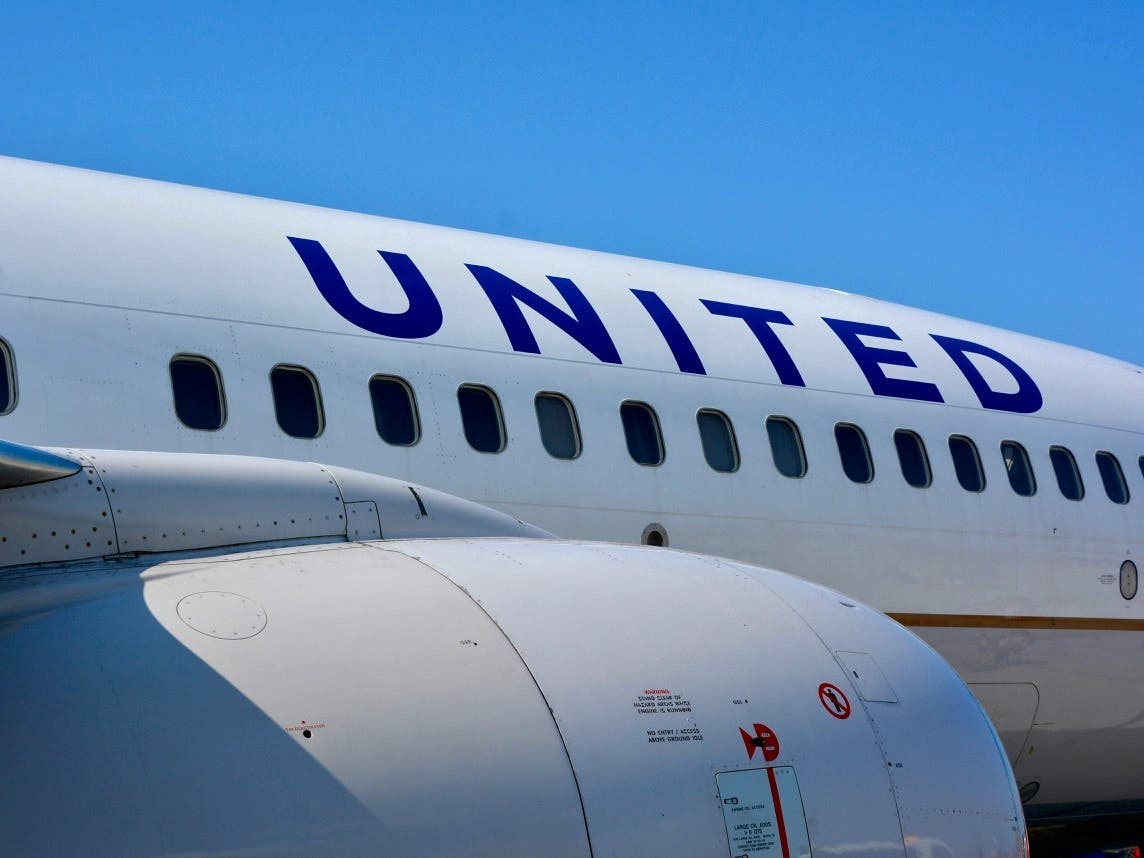
United Flight 2005 was diverted from Chicago to Madison after a passenger allegedly tried multiple times to breach the cockpit; the aircraft landed safely around 9:10 p.m. local time. The unruly passenger was detained by local authorities and the flight later continued to Minneapolis, with no injuries reported among the 147 passengers and six crew.
This is not a balance-sheet event for airlines; it is a liability-profile event. The market should think less about the isolated disruption and more about the tail distribution of “serious security incident” headlines: every cockpit-breach attempt increases the probability of elevated screening costs, crew-training spend, and incremental operational friction that is modest at the company level but persistent across the industry. For UAL, the direct earnings hit is de minimis, but the reputational overhang matters because premium leisure and business travelers are disproportionately sensitive to perceived onboard security and reliability.
The second-order loser is actually network efficiency. Any diversion in the middle of a high-load factor flight creates knock-on costs via missed connections, aircraft rotation risk, and gate/crew re-accommodation; those costs compound when the event occurs on a narrowbody trunk route that feeds a hub. Over time, repeated incidents would support a small but real pricing premium for carriers that can credibly show better onboard compliance and faster irregular-operations recovery. BA is not a direct read-through here, but recurrent U.S. airline security stories can keep regulators and the public focused on passenger-screening standards, which is mildly negative for OEM sentiment if it reignites scrutiny around cabin/door hardening requirements.
The contrarian view is that the equity impact is probably being overstated in the near term. Unless this becomes part of a broader cluster of incidents, the market usually fades these headlines within days because they do not change capacity, fuel, or demand trends. The better trade is not to short UAL outright on a one-off event, but to use the volatility bump to express relative-value positions against carriers with weaker operational tolerance for disruptions or lower brand resilience.
From a catalyst perspective, watch for follow-on legal exposure: if charges are filed or if the event is linked to prior incident history, the story can extend from days into weeks and prompt tighter onboard enforcement procedures. That matters because even a small increase in average turnaround time or diversion frequency can pressure on-time performance metrics, which is where airlines get punished indirectly through higher compensation costs and lower repeat booking rates over a 1-2 quarter horizon.
AI-powered research, real-time alerts, and portfolio analytics for institutional investors.
Request TrialOverall Sentiment
neutral
Sentiment Score
-0.10
Ticker Sentiment
