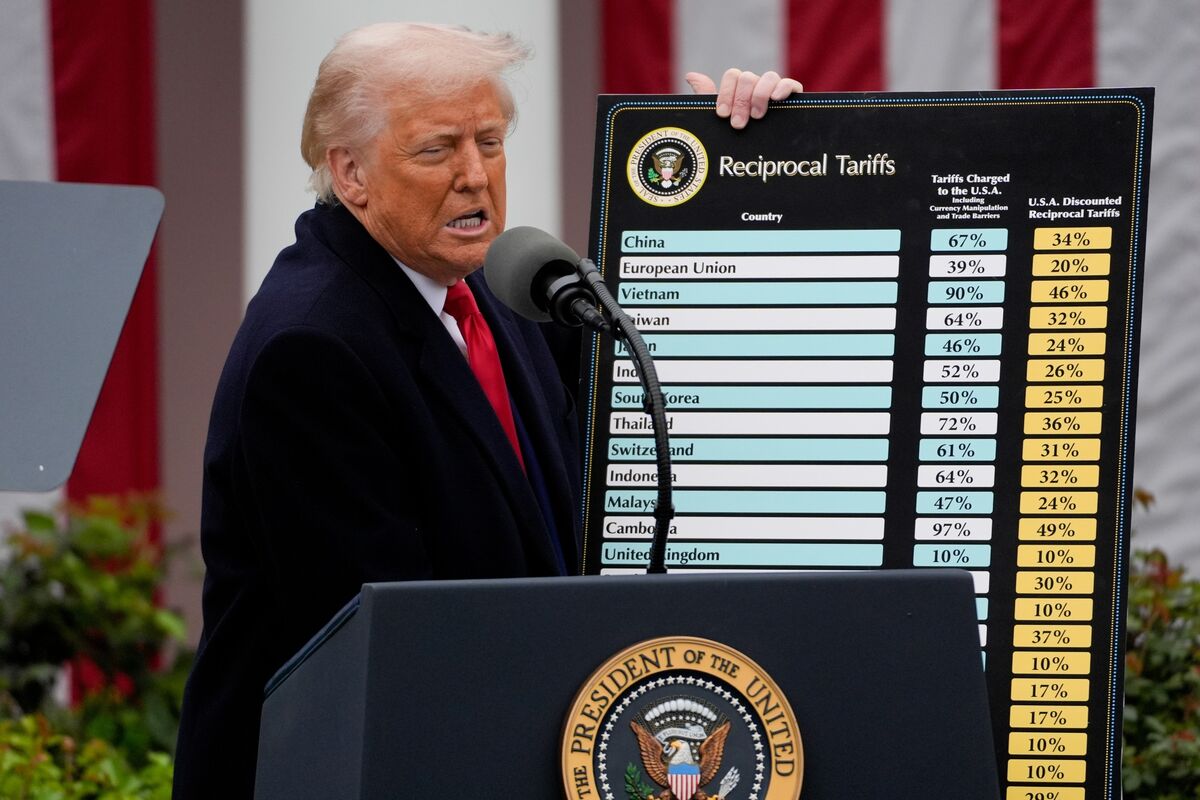
The US Supreme Court ruled in February that President Trump's 'Liberation Day' tariffs were illegal, triggering a messy $170 billion refund process. Markets initially plunged after the April 2 tariff announcement last year then recovered as duties were delayed and scaled back, but polls show the tariffs remain politically unpopular ahead of the November midterms. Continued efforts to rebuild the tariff wall and potential Chinese retaliation create policy uncertainty and sector-wide risk for trade-sensitive industries.
Policy-driven tariff uncertainty has become a persistent shock to trade economics, not a one-off event. That uncertainty changes the marginal economics of sourcing decisions: for manufacturers with >20% of COGS in traded inputs, a 6–18 month planning window now favors nearshore capex and dual-sourcing investments over spot inventory buys, which compresses overseas suppliers’ margins and raises domestic COGS for import-heavy retailers.
A likely near-term microstructure effect is a rotation of working-capital burdens. Expect importers and wholesalers to hoard cash and shift payment terms toward domestic suppliers; at the same time, financial intermediaries (customs brokers, trade-finance desks) will see higher fee capture while container lines face lower spot volumes but higher pricing power on contracted lanes. These dynamics create asymmetric exposures — winners from complexity/proximity and losers from scale-exposed export platforms.
Politically-timed escalation risk clusters around the election cycle (weeks–months), creating discrete binary events that will dominate short-term equity flows. Over 12–36 months the sustained overrisking of policy uncertainty will accelerate structural reallocation of supply chains, benefiting automation and domestic equipment suppliers while structurally penalizing long-haul containerized logistics and low-margin Chinese exporters unless offset by sizeable Chinese stimulus.
AI-powered research, real-time alerts, and portfolio analytics for institutional investors.
Overall Sentiment
mildly negative
Sentiment Score
-0.35
