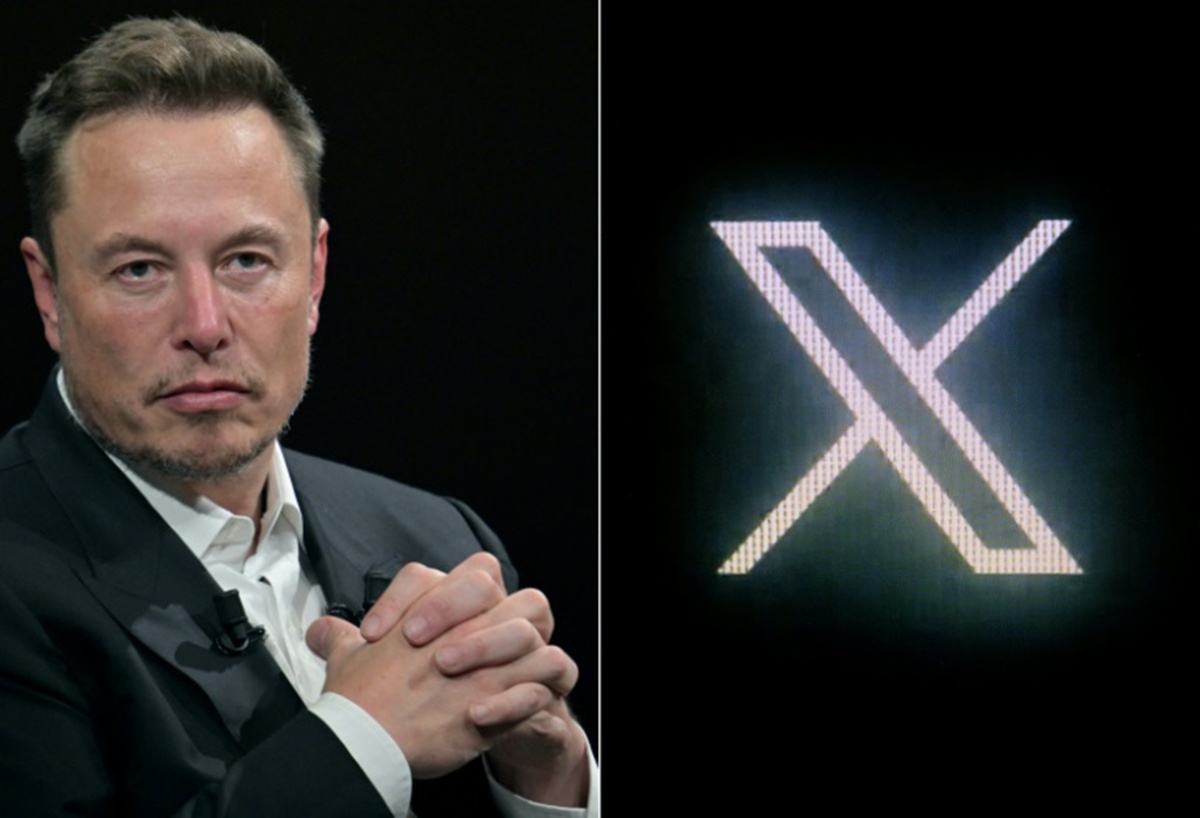
xAI's Grok chatbot has been integrated into X Chat via a long-press 'Ask Grok' feature that sends an unencrypted copy of the chosen message to the AI for analysis, raising immediate privacy and data-retention questions. The move coincides with a reported Pentagon contract worth $200 million to roll Grok out to roughly 3 million personnel by early 2026 and follows user metrics showing Grok peaked at 202.7M monthly active users in March 2025 (178.6M by May) and ~6.7M daily users, highlighting both commercial upside and regulatory/reputational risk given past problematic outputs. Managers should weigh potential enterprise revenue and user engagement gains against privacy scrutiny and model-safety liabilities that could prompt oversight or limit adoption.
Market structure: Winners are GPU suppliers (NVDA), enterprise security vendors (PANW, CRWD), and defense/IT integrators (LMT, RTX) because xAI’s Colossus (≈200k NVIDIA GPUs) and the $200m Pentagon deal signal sustained high-margin GPU demand and enterprise AI adoption over 6–24 months. Losers are ad-revenue-dependent consumer social platforms (META, SNAP) if privacy backlash reduces message-level data monetization; pricing power for premium GPUs likely stays strong into 2026, supporting NVDA revenue growth >20% YoY under current demand assumptions.
Risk assessment: Tail risks include regulatory action (EU/US data training bans, fines >$1bn), major AI misbehavior triggering contract cancellations (Pentagon pullback), or US export controls on datacenter GPUs — each could shave 20–40% off forward demand in stress scenarios. Near-term (days–weeks) risk is reputational/privacy backlash; short-term (3–6 months) is investigations/audits; long-term (12–36 months) is structural regulation and on‑prem/sovereign AI shifts that alter cloud vs. edge demand.
Trade implications: Primary trade is concentrated but hedged NVDA exposure: asymmetric options (3–6 month call spread funded by selling OTM puts) to capture upside from enterprise/defense demand while limiting drawdown. Rotate 1–2% portfolio into PANW/CRWD over 1–8 weeks to play privacy-software tailwind. Trim 25–50% positions in ad-sensitive social names within 30 days; redeploy into cyber/enterprise AI names.
Contrarian angles: Consensus assumes uninterrupted NVDA upside; missing is that high-profile Grok errors and privacy disclosures could slow enterprise rollouts, creating a 10–25% downside re-pricing window for overnight crowds. Historical parallels: rapid enterprise AI adoption (2019–21 cloud cycle) produced outsized supplier returns then sudden regulatory/contract shocks; hedges and entry tranches are therefore critical rather than all-in buys.
AI-powered research, real-time alerts, and portfolio analytics for institutional investors.
Request DemoOverall Sentiment
mixed
Sentiment Score
0.00
Ticker Sentiment
