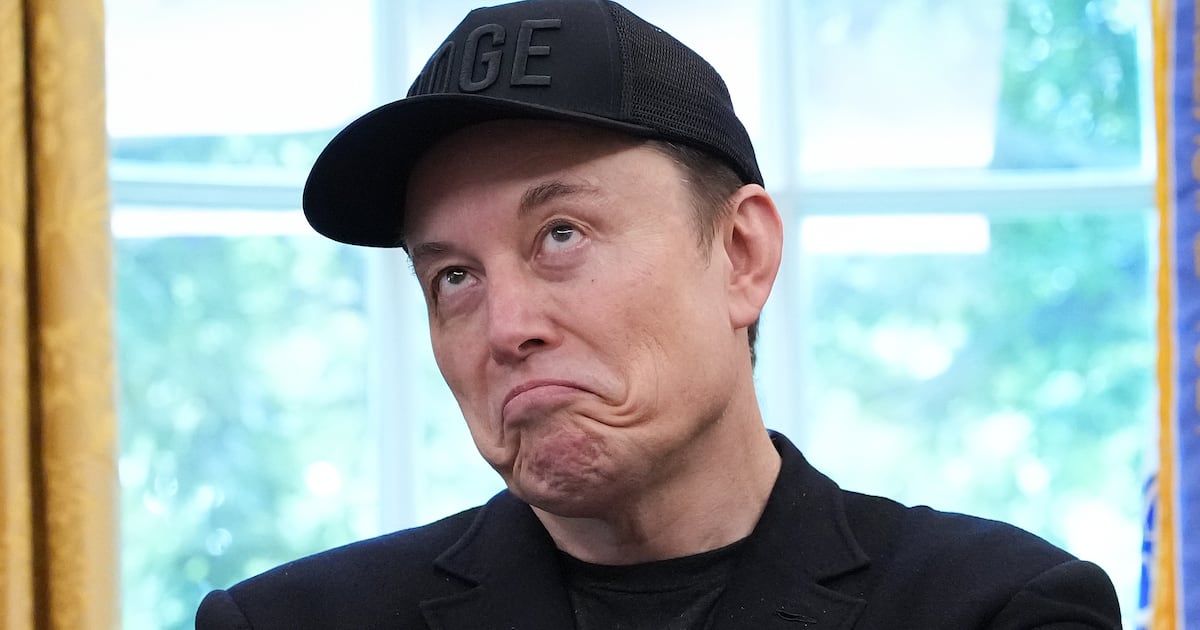
Released emails in the Epstein files show Elon Musk exchanged messages in 2012–2013 planning visits to Jeffrey Epstein’s private island, contradicting earlier denials; Musk has since downplayed the files as a 'distraction' and urged prosecution rather than selective release. The disclosures have generated polarized reaction on X and raised renewed reputational and governance scrutiny of Musk, while also being wielded politically (including allegations involving Donald Trump). There are no direct financial metrics in the report, so absent formal legal action the story presents reputational and sentiment risk rather than an immediate material market-moving event.
Market structure: The immediate winners are law firms, media and short-term volatility sellers; the clear loser is TSLA’s sentiment premium — expect a 5–15% multiple compression risk if headlines persist over 1–3 months. Competitive dynamics shift modestly in favor of legacy OEMs and non-Musk EV peers (GM, F, NIO) as investors re-price governance risk away from a single-founder valuation; demand for EVs remains intact so unit volumes should not move materially. Cross-asset: expect TSLA implied volatility to jump 20–50% (short-term options richer), modest equity outflows from ESG/tech funds, minimal direct impact on credit spreads for Tesla’s investment-grade curve unless legal escalation occurs.
Risk assessment: Tail risks include a governance/SEC inquiry or criminal referral (10–20% over 12 months) that could trigger a 20–40% equity gap; CEO removal is low-probability (<5%) but would be a >30% shock. Immediate (days) risk = headline-driven 5–10% swings; short-term (weeks–months) = sustained elevated IV and rotation; long-term (quarters) = potential multiple re-rating if Musk distraction slows product cadence. Hidden dependencies: Tesla’s valuation hinges on Musk-centric narrative, X-platform cashflows and option market maker positioning — second-order liquidity squeezes possible if short interest rises sharply.
Trade implications: Hedging is priority in next 48–72 hours: buy-tailored put protection or 30–60 day put spreads to cap downside while keeping upside; consider pair trades (short TSLA vs long GM/F) for relative-value exposure over 3 months. If volatility spikes >25% above 30‑day historical, sell premium via covered calls or call spreads against existing TSLA exposure; re-enter long positions only on >15% sustained drawdown with staged buys over 6–12 months.
Contrarian angles: Consensus focuses on reputational headlines, underestimating Tesla’s resilient delivery momentum and structural EV lead — past CEO scandals (Uber 2017) show operational recovery is possible within 6–12 months. The market may overprice governance risk: a >15–25% sell-off would likely present asymmetric long returns for patient buyers. Unintended consequences include a short-squeeze risk if shorts pile in, so size hedges to avoid forced liquidation costs.
AI-powered research, real-time alerts, and portfolio analytics for institutional investors.
Request DemoOverall Sentiment
mildly negative
Sentiment Score
-0.25
Ticker Sentiment
