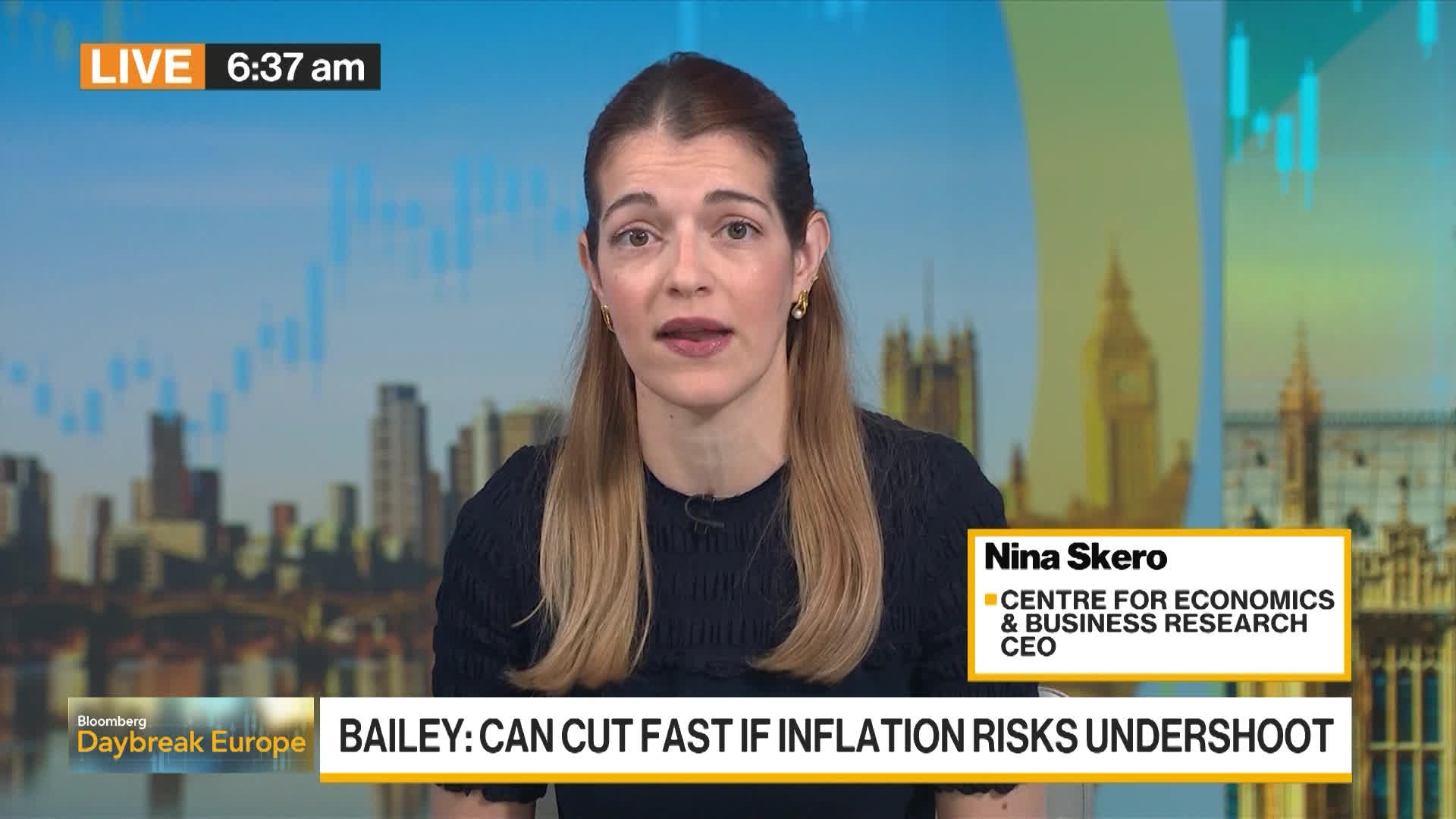
Global trade tensions are escalating with the implementation of new tariffs, notably a 100% levy on chips and a Swiss tariff following failed diplomatic efforts, amidst broader tariff threats. Concurrently, the Bank of England is anticipated to cut its interest rate to a two-year low, signaling a significant shift in monetary policy.
The global macroeconomic environment is facing a significant divergence between aggressive trade protectionism and accommodative monetary policy, creating a highly uncertain outlook for investors. On the trade front, tensions are escalating markedly with the implementation of a new, severe 100% tariff on chips, which will directly disrupt the semiconductor industry's supply chain and profitability. This is compounded by a new Swiss tariff following failed diplomatic negotiations and broader threats of further protectionist measures. In stark contrast, the Bank of England is signaling a dovish pivot, with expectations set for an interest rate cut to a two-year low. This monetary easing suggests the BOE is moving to counteract economic headwinds, which are likely exacerbated by these same global trade frictions. The confluence of inflationary tariff policies and deflationary/stimulative rate cuts presents a conflicting signal, heightening market volatility and risk, as reflected by the strongly negative sentiment and high market impact score.
AI-powered research, real-time alerts, and portfolio analytics for institutional investors.
Request DemoOverall Sentiment
strongly negative
Sentiment Score
-0.70
