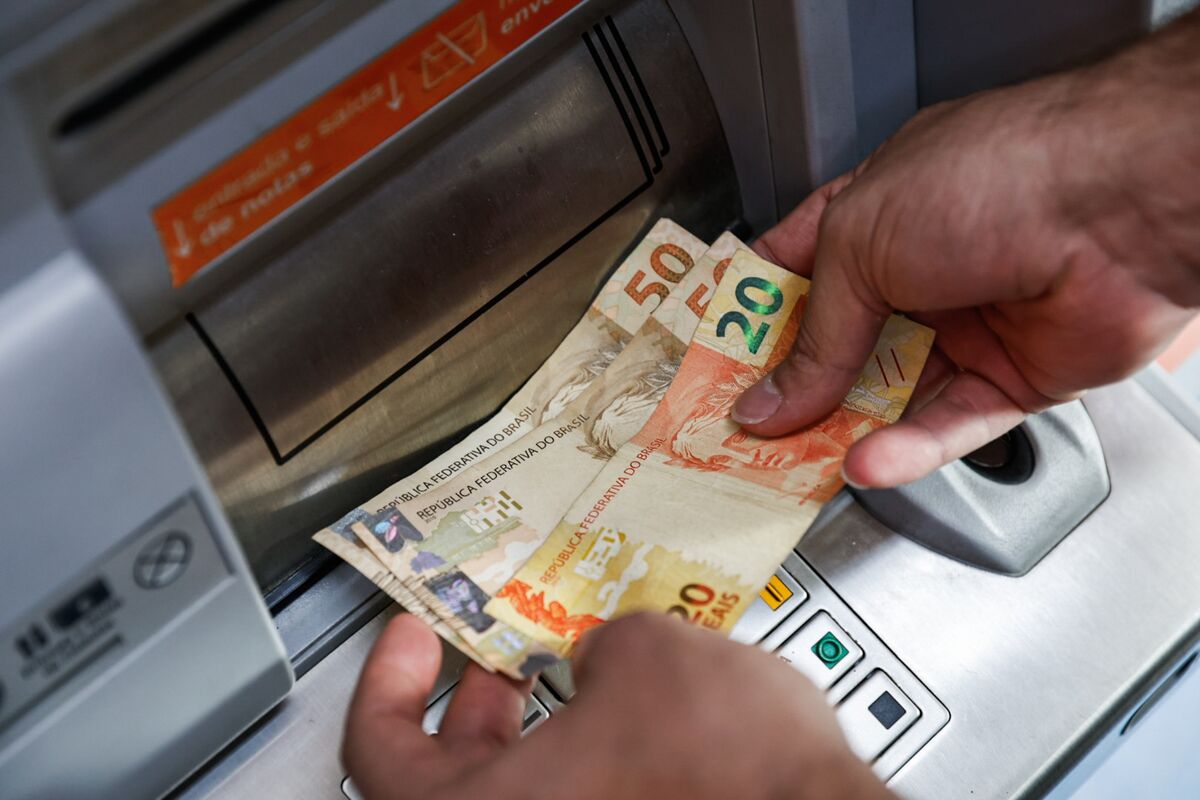
Brazil is set to freeze 31 billion reais in spending and increase taxes on financial transactions, including foreign currency purchases and remittances, to generate an additional 20 billion reais; these measures aim to reassure investors concerned about President Lula da Silva's fiscal commitments, with the larger-than-expected budget freeze initially triggering a rally in Brazilian markets.
The Brazilian government has announced significant fiscal measures in an effort to bolster investor confidence amidst skepticism over President Luiz Inacio Lula da Silva’s fiscal commitments. These include a 31 billion reais ($5.5 billion) spending freeze, which surpassed investor estimates and triggered a brief rally in Brazilian markets, alongside an increase in taxes on financial transactions, including foreign currency purchases and remittances, expected to generate an additional 20 billion reais. The article title, "Real Sells Off as Brazil Taxes Remittances to Shore Up Budget," suggests that while the spending freeze was positively received, the new taxes, particularly on remittances, are contributing to pressure on the Brazilian Real. This duality is reflected in the mixed overall sentiment score of -0.1. These measures underscore the government's attempt to improve its fiscal trajectory, a key concern for emerging market investors, but the tax hikes introduce potential headwinds for the currency and capital flows.
AI-powered research, real-time alerts, and portfolio analytics for institutional investors.
Request DemoOverall Sentiment
mixed
Sentiment Score
-0.10
Ticker Sentiment
