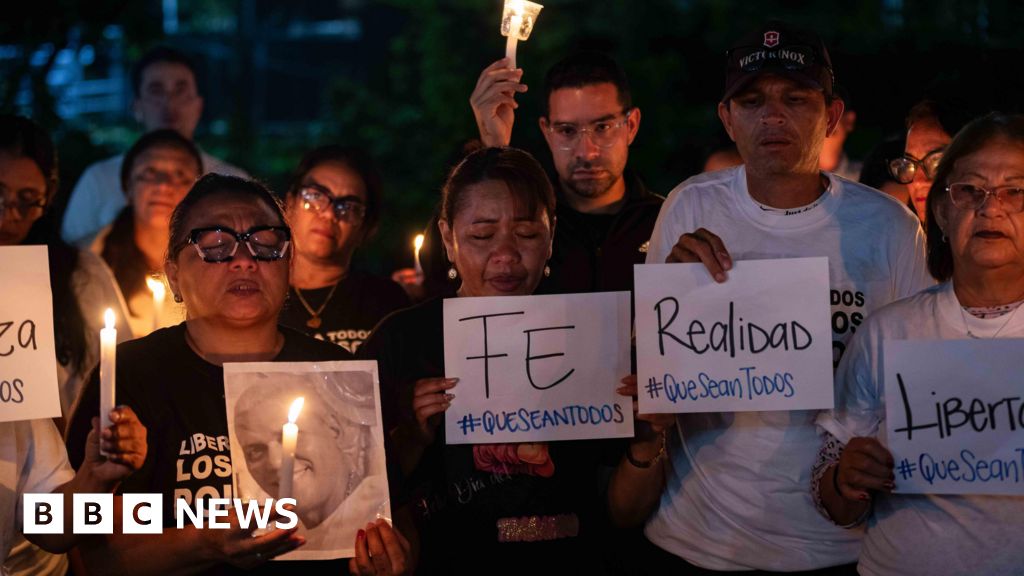
Venezuela has begun releasing multiple U.S. citizens detained in the country—at least three reported freed—as Interim President Delcy Rodríguez announced a ‘significant’ goodwill release amid conflicting tallies (UN: ~50 released; campaigners: >800 political prisoners). The move follows a U.S. operation that seized Nicolás Maduro on Jan. 3 and precedes an opposition leader's White House visit, signaling a potential diplomatic thaw and a test of U.S. influence, but substantial legal, human-rights and political risks remain and the overall impact on market risk is limited.
Market structure: The prisoner releases tilt the political needle toward de-escalation, which favors risk assets tied to Latin America and EM credit while reducing immediate safe-haven demand. Winners: LATAM equities (energy/consumer cyclicals), EMB-style EM credit; Losers: gold/miners and defense names tied to kinetic intervention. Oil supply upside is possible but capped near-term by infrastructure and sanctions — expect any increase to be gradual (months) and limited to low hundreds of kbpd, so price impact is modest.
Risk assessment: Key tail risks include a US military re-escalation, snap reversal by interim authorities, or continued multilateral sanctions blocking economic normalization — each could spike risk premia by 300–500bps in EM spreads. Time horizons: immediate (days) = volatility around diplomacy and U.S. political messaging; short (weeks–months) = observable EM spread compression or widening; long (quarters–years) = structural recovery contingent on sanctions relief and oil output restoration. Watch White House signals and formal sanction/waiver filings as catalysts.
Trade implications: Tactical risk-on should be skewed to liquid proxies (ILF, EEM, EMB) rather than bilateral Venezuelan exposure; use small, option-defined positions to limit downside. If de-escalation persists 30–90 days, expect 5–12% upside in LATAM ETFs and 50–150bps spread tightening in USD EM credit. Maintain tight stop-losses and event triggers around any new U.S. military actions or formal sanctions renewals.
Contrarian angles: The market may underprice the legal/sanctions friction that will delay capital flows — consensus might assume rapid normalization, but historical parallels (post-regime-change restructurings) show 12–36 month timelines to full creditor access. Mispricings: EMB/ILF could rally too fast on headlines then reverse; distressed PDVSA/sovereign paper offers extreme asymmetry but requires <0.5% tactical allocation given judicial and sanctions tail risk. Unintended consequences: prisoner releases can be used as bargaining chips, not signals of full policy shift.
AI-powered research, real-time alerts, and portfolio analytics for institutional investors.
Request DemoOverall Sentiment
neutral
Sentiment Score
0.05
Ticker Sentiment
