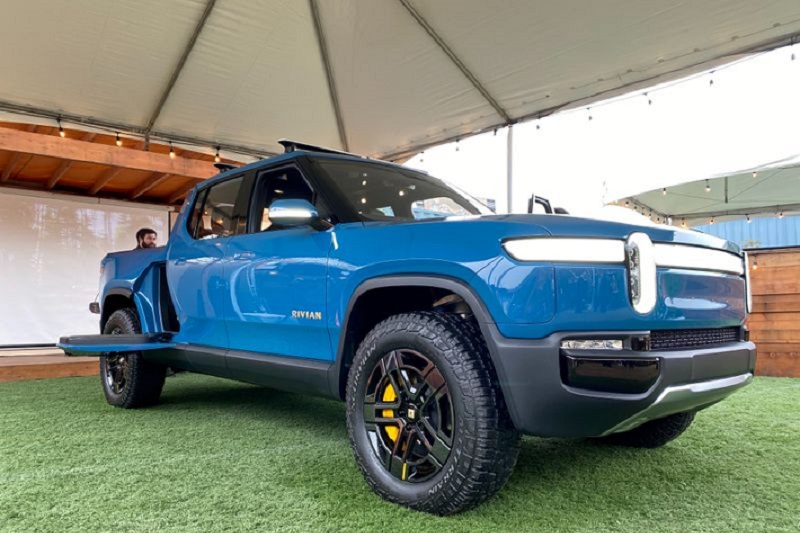
Rivian produced 10,236 vehicles and delivered 10,365 in Q1 2026, missing consensus deliveries by ~4% but reaffirming 2026 delivery guidance of 62,000–67,000 vehicles. The company secured a significant $1.0B investment from Volkswagen ($750M equity + $250M equity or convertible debt) and struck a partnership with Uber to deploy up to 50,000 autonomous R2 robotaxis, with an initial purchase of 10,000 vehicles. Gross profit margin remains weak at 2.67% and shares are down ~22% YTD, while the R2 model is slated for introduction in Q2 with ramp through 2026. Analysts are mixed: Baird reiterated Outperform with a $23 PT, DA Davidson upgraded to Neutral, Cantor Fitzgerald stayed Neutral, and Morgan Stanley kept an Underweight with a $12 PT.
The market is repricing Rivian around a transition from constrained-margin retail OEM to a hybrid vehicle-plus-fleet software operator. That bifurcation creates asymmetric outcomes: retail unit economics will pressure margins in the near term, while recurring revenue from autonomous fleet deployments could re-rate multiples if unit-level economics scale. The strategic OEM equity infusion and commercial fleet contract reduce existential execution risk but transfer optionality toward the partner relationship — expect dilution of strategic control and bargaining leverage as production and software responsibilities deepen.
Second-order supply-chain winners include LIDAR, edge-compute, and telematics suppliers that scale with a robotaxi fleet; losers are independent used-EV remarketers whose residual-value curves will be undercut by fleet liquidation and centralized refurbishment programs. The ramp of a new platform will magnify supplier concentration risk: single-source battery or compute failures will create outsized production stoppages and margin shocks. Regulatory and software-safety milestones are the gating items for monetizing robotaxis — calendar risk is multi-year and binary, so investors should separate option value from core auto profitability when sizing exposure.
Catalysts to watch are (1) cadence of production yield improvements over the next few quarters, (2) timing and pricing terms of additional partner capital, and (3) early robotaxi live-service economics (cost per mile, utilization). Tail risks include accelerated dilution from convertible tranches or bridge funding, a large-scale recall tied to a new platform, or slower-than-expected autonomy regulatory approvals. Conversely, upside is concentrated: sustained margin expansion from mix shift plus service revenue could re-rate EBITDA multiples materially if demonstrated at scale.
AI-powered research, real-time alerts, and portfolio analytics for institutional investors.
Request DemoOverall Sentiment
moderately positive
Sentiment Score
0.35
Ticker Sentiment
