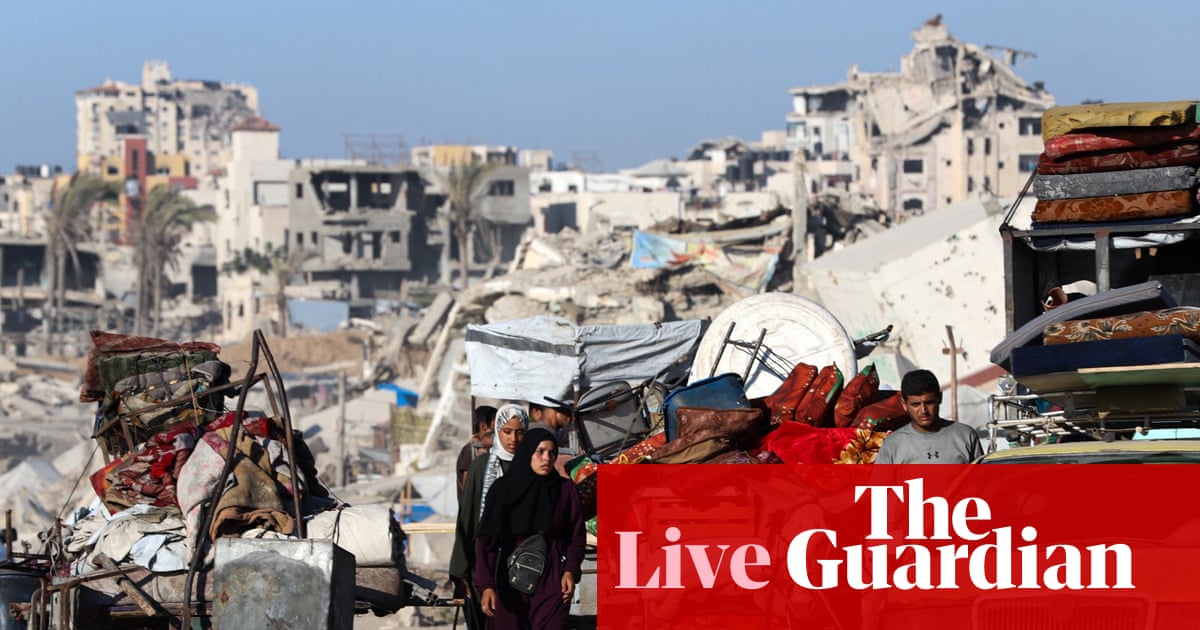
Belgium announced its intent to recognize a Palestinian state at the UN General Assembly and impose 12 sanctions on Israel, including a ban on settlement product imports, contingent on Hamas releasing hostages. This decision, driven by the severe humanitarian crisis in Gaza—where over 63,000 have died and famine is widespread, prompting accusations of genocide by scholars—significantly escalates international pressure on Israel, underscoring its increasing diplomatic isolation and expanding geopolitical risk.
Belgium's decision to recognize a Palestinian state and impose sanctions on Israel marks a significant escalation in diplomatic and economic pressure from a European Union member. This move, driven by the severe humanitarian crisis in Gaza—where casualties exceed 63,000 and a "man-made famine" has been declared—is part of a larger trend of Western nations, including France and Canada, shifting their stance, thereby intensifying Israel's diplomatic isolation. The sanctions are particularly noteworthy, targeting imports from Israeli settlements and public procurement policies, which sets a tangible precedent that other nations could follow. While Belgium's formal recognition of Palestine is conditional on the release of hostages and the removal of Hamas from power, the immediate imposition of sanctions and the naming of extremist ministers as "persona non grata" introduce direct economic and political friction. This development, underscored by a genocide resolution from the International Association of Genocide Scholars, solidifies a negative sentiment and elevates geopolitical risk for the region, shifting the conflict's fallout from a purely diplomatic issue to one with concrete, albeit currently contained, economic consequences.
AI-powered research, real-time alerts, and portfolio analytics for institutional investors.
Overall Sentiment
extremely negative
Sentiment Score
-0.80
