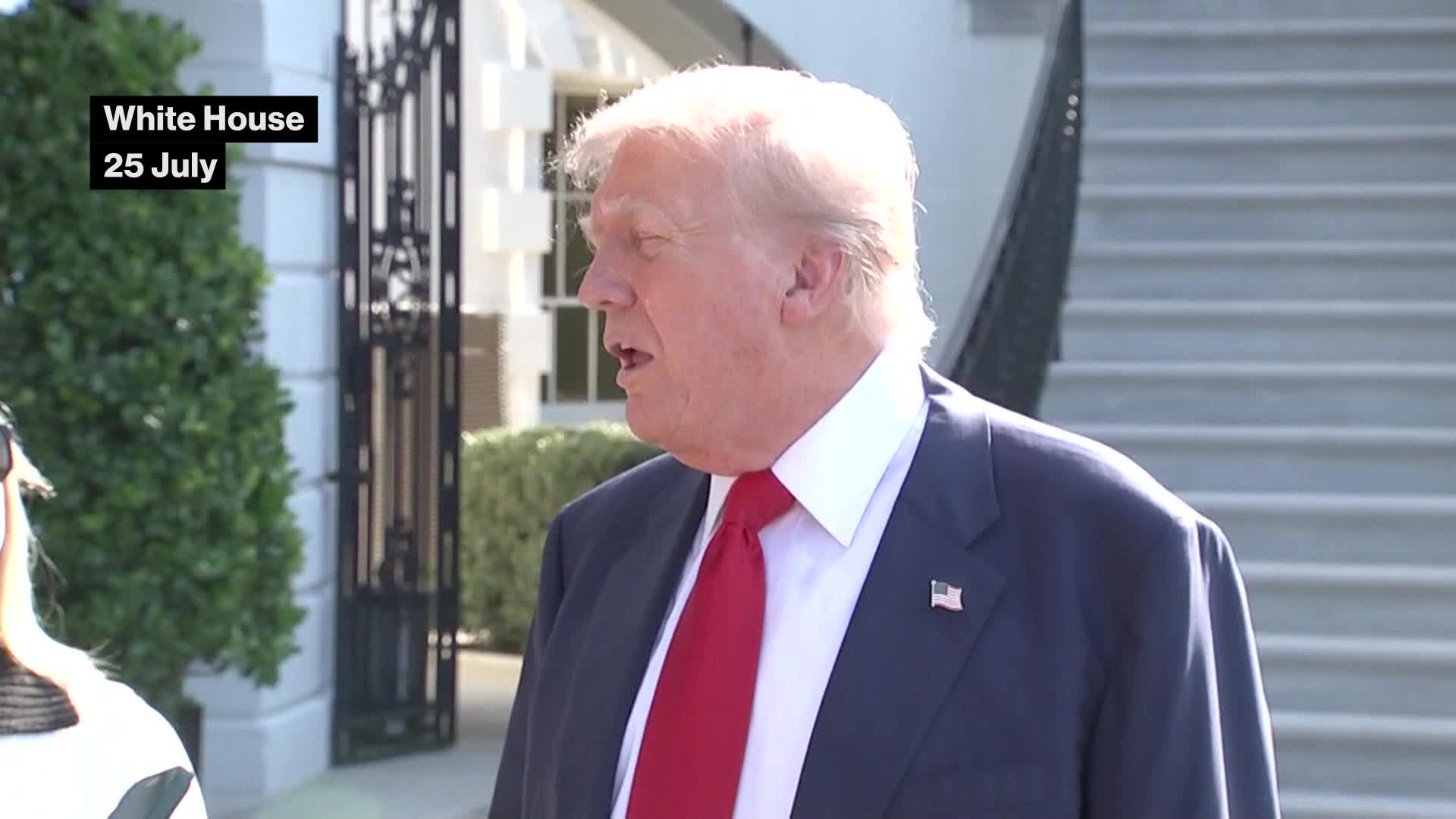
President Trump stated Friday that following a 'good meeting' with Federal Reserve Chair Jerome Powell, he believes Powell will begin recommending lower interest rates. This direct comment from the President on the Fed's potential monetary policy direction could influence market expectations regarding future rate adjustments.
President Trump's public statement that he expects Federal Reserve Chair Jerome Powell to begin recommending lower interest rates introduces a significant political dimension to monetary policy expectations. This comment, made following a meeting between the two, directly leverages the presidency to influence market sentiment regarding the Fed's future actions. While the statement itself does not constitute official Fed guidance, its 'dovish' tone and moderate market impact score of 0.6 suggest it could lead to a repricing of rate-cut probabilities in the short term. The key dynamic for investors is the tension between the President's explicit political pressure and the Federal Reserve's mandate for independence, creating uncertainty around the true trajectory of monetary policy versus the politically desired one.
AI-powered research, real-time alerts, and portfolio analytics for institutional investors.
Request DemoOverall Sentiment
moderately positive
Sentiment Score
0.60
