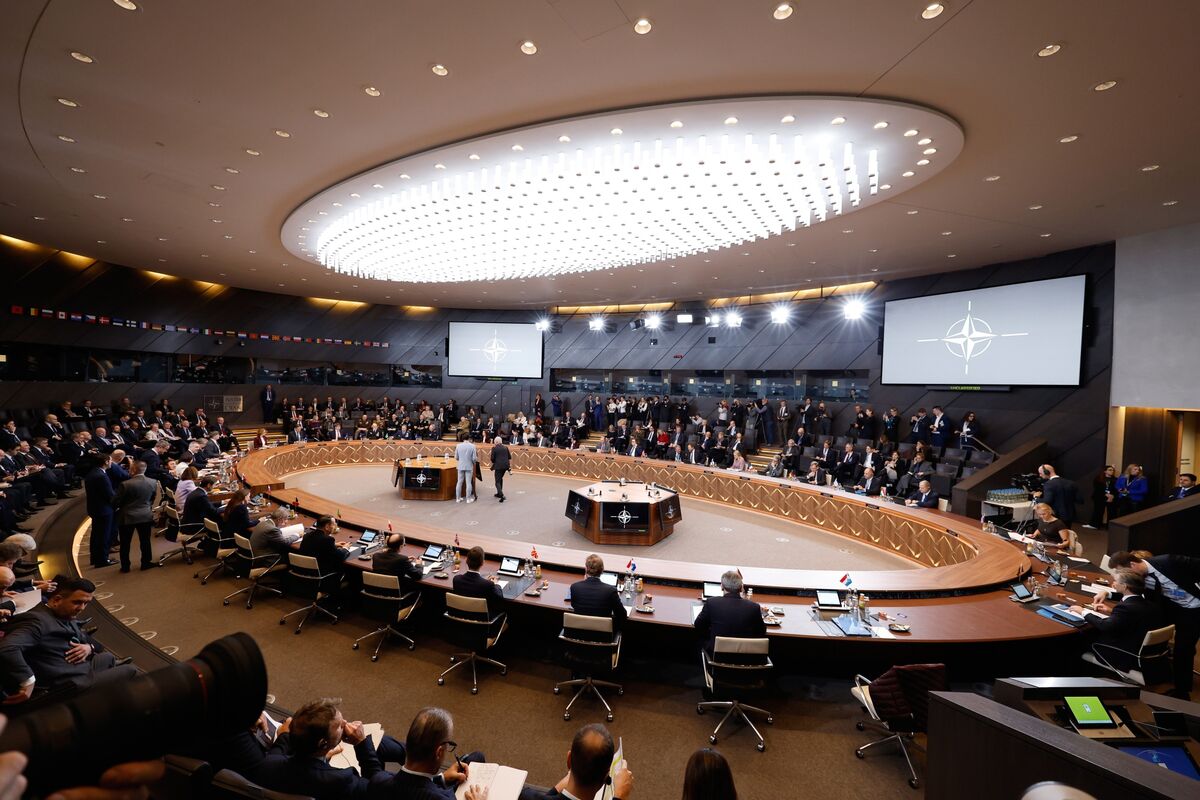
The European Commission published legal text proposing mechanisms to tap frozen Russian assets, but Belgium has already rejected the plan, citing that most of the assets are held at Brussels-based clearing house Euroclear. The dispute raises the prospect of a politically fraught negotiation and potential operational and legal challenges for Euroclear and custodians, creating uncertainty around enforcement of sanctions and the treatment of sovereign assets. Investors should monitor EU member-state coordination, legal risk, and any precedent for seizure or reallocation of frozen sovereign-linked assets that could affect clearing, banking liquidity and sovereign risk pricing.
Market structure: Forcing conversion/use of frozen Russian central-bank assets (largely custodied at Euroclear) shifts liquidity risk to custodians and elevates legal/custody premia; beneficiaries are alternative clearers and venues (Deutsche Börse/DB1.DE) and gold/energy producers if Russian retaliation raises commodity risk premia. Losers are institutions with exposures/operational reliance on Euroclear plumbing, Belgian financial intermediaries, and euro FX if political fragmentation spreads; expect counterparty spreads to widen 20–50bp in stressed repo lines near affected banks over weeks.
Risk assessment: Tail risks include protracted legal injunctions (6–24 months) that freeze assets, cross-border litigation that deters euro-denominated reserve holdings (gradual reallocation of 5–10% of small central-bank reserves over 1–3 years), and Russian retaliation via energy cuts or cyberattacks that spike oil/gas +15–30% in months. Short-term (days–weeks) uncertainty will drive volatility; medium-term (3–12 months) precedent risk may raise sovereign funding costs in peripheral Europe by 10–30bp unless unified legal framework appears.
Trade implications: Favor tactical hedges—buy 3-month EURUSD downside protection (1.5%–2% OTM puts) and 1–2% portfolio long in GLD/IAU as insurance; consider 2–3% long in DB1.DE to capture clearing market reallocation while shorting large European bank names (BNP PARIBAS BNPP.PA, SAN.PA) via 3–6 month puts sized 1–2% each. Energy longs (XLE or direct majors) as a directional hedge for commodity retaliation risk; buy cheap out-of-the-money 6–9 month call spreads on crude (WTI) to cap cost.
Contrarian angles: Consensus treats Belgium obstruction as temporary; if Belgium forces structural reform of custodial risk-sharing, Euroclear could be recapitalized and underpriced fears would reverse—creating 20–30% upside in European bancassurance stocks. Conversely, market may underprice litigation durations: if legal battles persist >6 months, expect permanent disintermediation of some euro reserve flows; opportunistic buys in beaten-down regional banks should be staged only after legal clarity or >40% drawdowns.
AI-powered research, real-time alerts, and portfolio analytics for institutional investors.
Request DemoOverall Sentiment
moderately negative
Sentiment Score
-0.30
