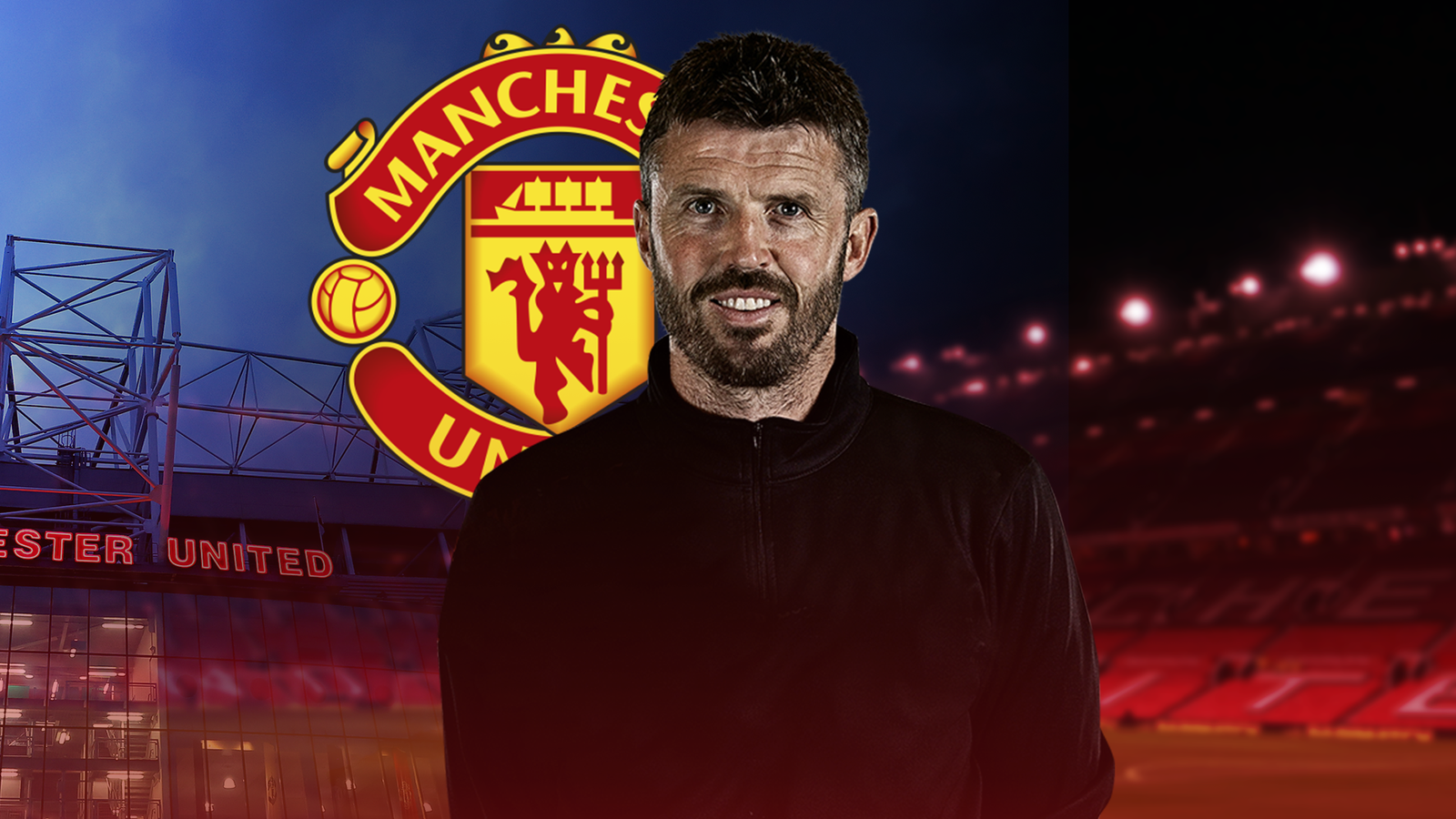
Manchester United have reached a verbal agreement to appoint former midfielder Michael Carrick as interim head coach through the end of the season, with Steve Holland as his No.2 and a named backroom team; contractual details are being finalised and Carrick could sign and begin work this week ahead of Saturday's Manchester derby. The move, accelerated after an FA Cup exit, leaves United focused solely on the Premier League with 17 games remaining to fight for a Champions League place — a short-term governance change that may nudge investor sentiment but is unlikely to materially alter the club's underlying financial fundamentals in the near term.
Market structure: The interim appointment of Michael Carrick is a low-severity governance event with concentrated short-term sentiment effects for MANU (ticker MANU). Direct winners: short-duration event-driven traders, broadcasters (Sky) and betting operators who see volume spike around the derby; losers: recruiters and potential managerial candidates whose market window narrows. Expect muted immediate equity moves (±3–6%) tied to match outcomes and a 10–30% rise in MANU options implied volatility into the derby; FX, rates and commodities unaffected materially.
Risk assessment: Tail risks include a managerial failure that costs United Champions League qualification (annual lost revenue ~€50–80m) which would be a multi-quarter earnings hit and could compress enterprise value by low-double-digit percentages. Time horizons: immediate (days) = sentiment swings around derby; short-term (weeks–months) = points run driven by fixture list and January window; long-term (quarters) = final permanent hire and summer transfers. Hidden dependencies: January window activity, board decision timing and player morale; catalysts: derby result (Jan 17), transfer moves (by Jan 31) and summer appointment (by June).
Trade implications: Tactical plays favored over fundamental conviction. Direct: small, event-driven exposure to MANU that monetizes a positive derby outcome while capping downside — equity longs sized 2–3% of portfolio with stop-losses or options hedges. Options: buy 2–6 week call spreads (buy ~20-delta, sell ~10-delta higher) ahead of Jan 17 to exploit IV skew; hedge with cheap OTM puts if implied move >5%. Sector rotation: minor overweight to sports media/broadcast exposure into marquee fixtures, not broader travel/leisure.
Contrarian angles: Consensus treats Carrick as a ‘steady hand’ — market is underpricing the risk of ‘no Plan B’ tactical rigidity which historically led to mid-season collapses (Middlesbrough pattern). Conversely, if Carrick’s 4-2-3-1 rapidly improves attacking metrics, upside is underappreciated (probability shift +10–20% to top‑4 translates to a 5–8% equity re-rating). Unintended consequence: prolonged interim status may depress summer recruitment, amplifying downside beyond immediate sporting results.
AI-powered research, real-time alerts, and portfolio analytics for institutional investors.
Request DemoOverall Sentiment
neutral
Sentiment Score
0.10
Ticker Sentiment
