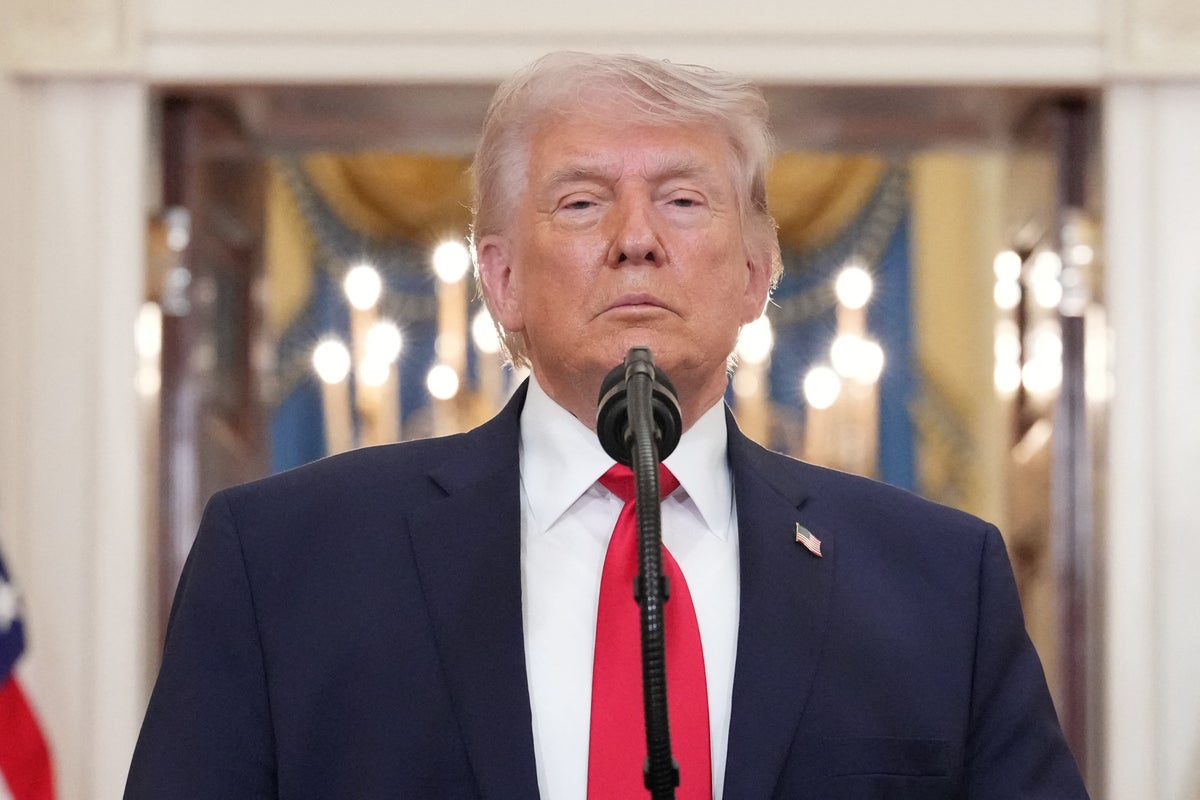
Brent crude rose $1.71 (1.6%) to $110.74/bbl and WTI rose $0.71 (0.6%) to $112.25/bbl amid escalating US-Iran hostilities. President Trump publicly threatened strikes on Iranian power plants and bridges with a pointed deadline ('Tuesday, 8pm ET'), and Iran warned of a 'much more devastating' retaliation, raising the risk of disruption to shipping through the Strait of Hormuz and further supply losses. Recent strikes include at least nine killed in southern Iran, two found dead in Haifa, attacks on Tehran's Sharif University and damage to ambulances and humanitarian workers (including the fourth Iranian Red Crescent volunteer killed), all contributing to a near-term risk-off market environment.
The market is pricing a credible Gulf transit shock into energy and marine risk premia; the immediate winners are short-cycle hydrocarbon producers and firms that capture incremental per-barrel margin within 60–120 days, while the losers are high fuel-intensity transport and logistics operators facing route diversions and insurance cost shocks. A realistic second-order effect is a sustained rise in time-charter and insurance costs that acts like a transit tax — even a $1–3/bbl increase in delivered crude to Asia materially widens refinery margins in the short run and shifts demand toward local feedstocks.
Defense and prolonged reconstruction contracting become multi-year cashflow drivers if civilian infrastructure targeting persists; think multi-year procurement rationales, accelerated backlogs for avionics, ISR and hardened-grid contractors, and higher O&M budgets across allied fleets. Conversely, consumer-facing economies that import energy will see discretionary demand compression within 2–4 quarters, pressuring cyclical retail and travel revenues beyond immediate headline energy inflation.
Key catalysts to watch: diplomatic de-escalation or coordinated SPR releases can compress oil volatility within 2–6 weeks and knock back energy equities sharply; sustained targeting of infrastructure or wider regional involvement would extend elevated commodity and insurance spreads into quarters and potentially years. Tail risks include attacks on chokepoint-adjacent refineries or cyberattacks on western grids, which would convert a price shock into a structural premium and materially reroute global trade lanes.
The consensus is skewed to “flight to energy and defense” without pricing in rapid shale re-response and demand destruction at $120+/bbl. That makes asymmetric option structures attractive: own convexity to the supply shock (calls on select producers/defense) while buying inexpensive downside protection for the scenario of quick diplomatic resolution.
AI-powered research, real-time alerts, and portfolio analytics for institutional investors.
Request DemoOverall Sentiment
strongly negative
Sentiment Score
-0.80
