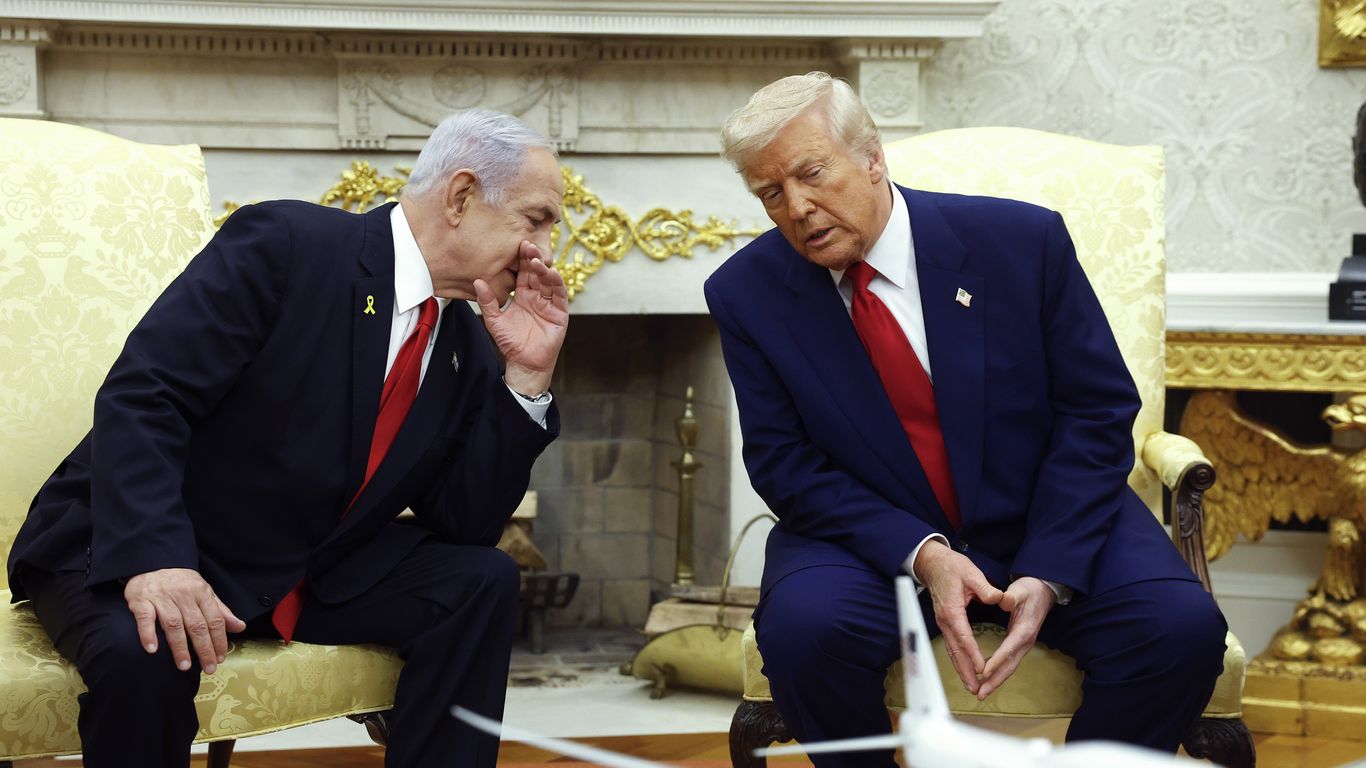
At the Trump administration's request, the Israeli Air Force conducted strikes on Iranian air defense systems in southern Iran 48 hours ahead of a U.S. B-2 bomber operation targeting Iran's Fordow nuclear facility. This direct Israeli involvement facilitated the U.S. strike by clearing a path for U.S. forces, marking a significant culmination of U.S.-Israeli coordination against Tehran's nuclear program. Post-strike, the U.S. aims to pursue a diplomatic resolution, though the potential for Iranian retaliation introduces significant geopolitical uncertainty.
A direct military strike on Iran's Fordow nuclear facility, enabled by preceding Israeli Air Force operations against Iranian air defense systems, marks a significant escalation in regional conflict. This operation, described as a culmination of intense U.S.-Israeli coordination, was designed to neutralize a key Iranian nuclear asset using B-2 stealth bombers and 30,000-pound bunker-buster bombs. While the U.S. administration has signaled a desire to de-escalate and pursue a diplomatic resolution post-strike, the situation is characterized by high uncertainty, as explicitly stated by Israeli officials. The critical variable is the nature of Iran's response, which remains unknown and 'could change everything.' This event, with its high market impact score of 0.8 and negative sentiment, introduces substantial geopolitical volatility, with the U.S. indicating it has concluded its own direct strikes but is not opposed to continued Israeli military action.
AI-powered research, real-time alerts, and portfolio analytics for institutional investors.
Request DemoOverall Sentiment
moderately negative
Sentiment Score
-0.50
