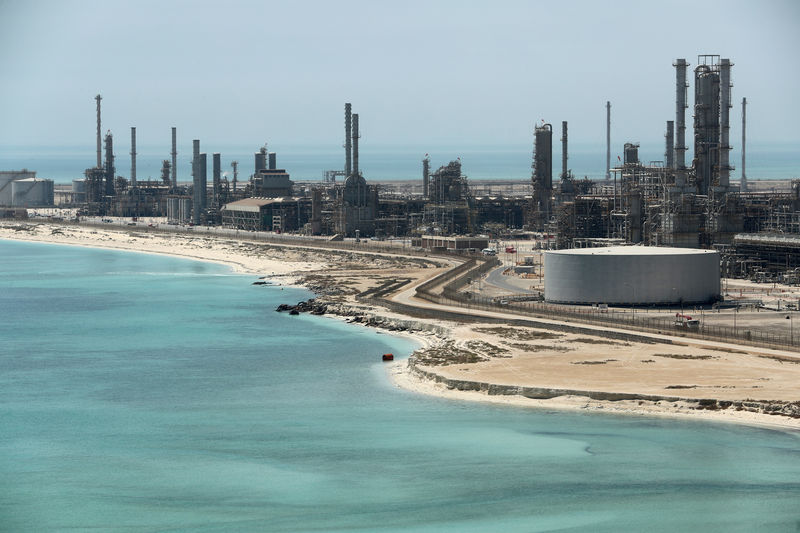
Saudi Arabia has restored full 7 million barrels per day capacity on its East-West pipeline, bringing 700,000 bpd of throughput back online after strike damage, while Manifa output has also been restored. However, Khurais still has a 300,000 bpd outage and Iran says damaged refinery and distribution assets will take 1 to 2 months to recover to 70% to 80% capacity. The broader backdrop remains elevated geopolitical risk around the Strait of Hormuz and Red Sea transit, keeping a war premium embedded in Brent and WTI.
The market should treat this less as a “peace dividend” and more as a reduction in tail risk with a still-elevated base case. Restoring Saudi throughput reduces the probability of a true supply vacuum, but it does not remove the premium from shipping disruption, insurance costs, or opportunistic outages elsewhere in the region. That means prompt-month crude can ease faster than the front-end implied volatility term structure, creating a cleaner trade in vol and calendar spreads than in outright directional oil.
The second-order winner is any asset sensitive to lower input-cost shock but not to a full collapse in oil: airlines, refiners, and transport names with weak fuel pass-through should outperform if the market continues to unwind some geopolitical premium. The immediate loser is the complex that has been paying up for rapid scarcity hedging, especially prompt barrels and middle-distillate cracks, which can mean-revert quickly once traders conclude the supply system is functioning around the chokepoints rather than through them. Brent should stay more bid than WTI on a relative basis as long as seaborne risk in the Red Sea remains unresolved.
The contrarian view is that the market may be underpricing how quickly “temporary resilience” becomes a durable rerouting regime. If Gulf exports remain structurally bypassed through alternative terminals, the strategic relevance of the Strait declines at the margin, capping future war-premium spikes even if headlines stay noisy. The real catalyst to fade this optimism would be a renewed strike on pumping/terminal infrastructure or a delay in the repair cycle beyond 2-4 weeks, which would re-tighten prompt balances and widen time spreads again.
AI-powered research, real-time alerts, and portfolio analytics for institutional investors.
Overall Sentiment
neutral
Sentiment Score
0.10
Ticker Sentiment
