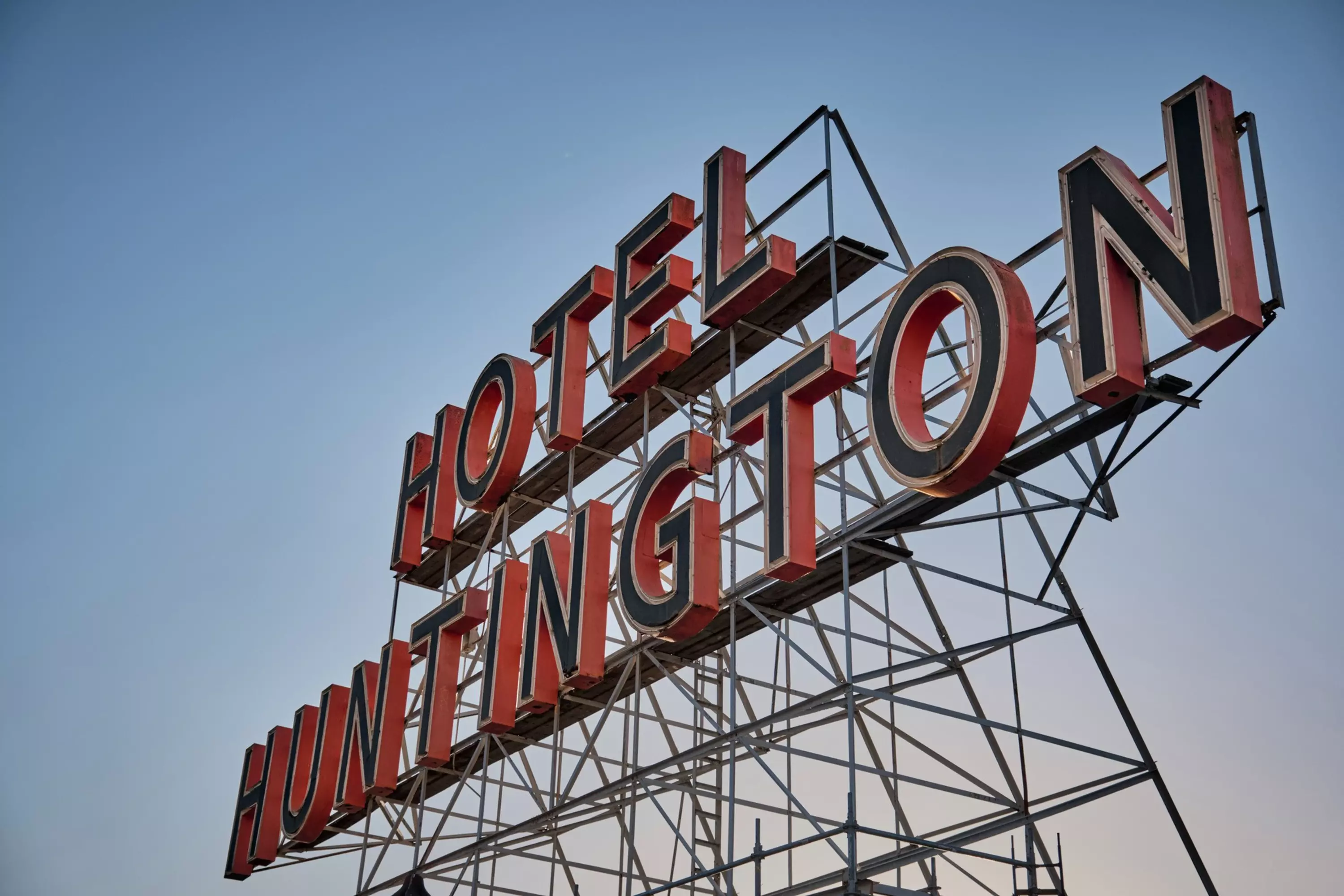
Flynn Properties and hospitality manager Highgate have acquired and are renovating the 100-year-old Huntington Hotel after former owner Woodridge Capital defaulted on a $56.2 million mortgage in 2022, with a planned spring 2026 reopening. The refurbished property will feature 143 rooms, a nearly 1,500-square-foot penthouse, a three-level wellness spa and a revamped restaurant/bar (The Big 4 and Arabella’s), signaling renewed investor confidence in San Francisco upscale hospitality and potential upside for local leisure real estate and creditor recoveries as post-pandemic demand improves.
Market structure: The Huntington reopening is a niche, luxury supply addition (143 rooms) in San Francisco — roughly 0.4% of the city's ~33,000-room inventory — so citywide pricing impact is negligible but it strengthens premium Nob Hill pricing power. Direct winners are luxury/higher-ADR operators and local F&B/spa suppliers; losers are economy hotels and short-term-rental listings competing for discretionary leisure nights. Expect modest positive sentiment flow into urban/luxury lodging REITs (HST, PK) and operators (MAR, HLT) as a signal that high-end urban demand is returning.
Risk assessment: Tail risks include a renewed travel shock (pandemic/geo), local regulatory/tax increases, or renovation cost overruns that could re-introduce mortgage/CMBS stress similar to the 2022 Woodridge default. Immediate (days) impact is sentiment; short-term (3–12 months) depends on corporate/international booking cadence; long-term (2026+) hinges on sustained RevPAR recovery to >2019 levels (+5–15% upside for top-tier assets). Hidden dependency: luxury relies disproportionately on international and corporate travel recovery — monitor inbound international arrivals and SF convention bookings.
Trade implications: Tactical plays: overweight U.S. urban/luxury lodging exposure (Host Hotels & Resorts HST, Park Hotels & Resorts PK) with 6–12 month horizon, using size 1–2% NAV positions and 10–12% stop-loss; implement 9–12 month call spreads on HST (buy ATM, sell ATM+20%) to express upside while capping premium. Relative-value: pair long HST (urban luxury) vs short RLJ Lodging Trust (RLJ) or a budget/economy hotel ETF to exploit segmentation divergence; monitor RevPAR and CMBS IG spreads as entry/exit triggers.
Contrarian angles: Consensus treats SF as permanently impaired — that may be overstated for iconic, well-located luxury assets where scarcity and brand restore pricing quickly (historical boutique reopenings saw 10–18% first-year RevPAR lifts). Reaction could be underdone in small-cap lodging REITs but overdone in broad leisure/casino names; use small, option-backed positions and exit if citywide RevPAR remains <-5% vs 2019 by Q4 2026 or CMBS spreads widen >150bp from current levels.
AI-powered research, real-time alerts, and portfolio analytics for institutional investors.
Request DemoOverall Sentiment
mildly positive
Sentiment Score
0.30
