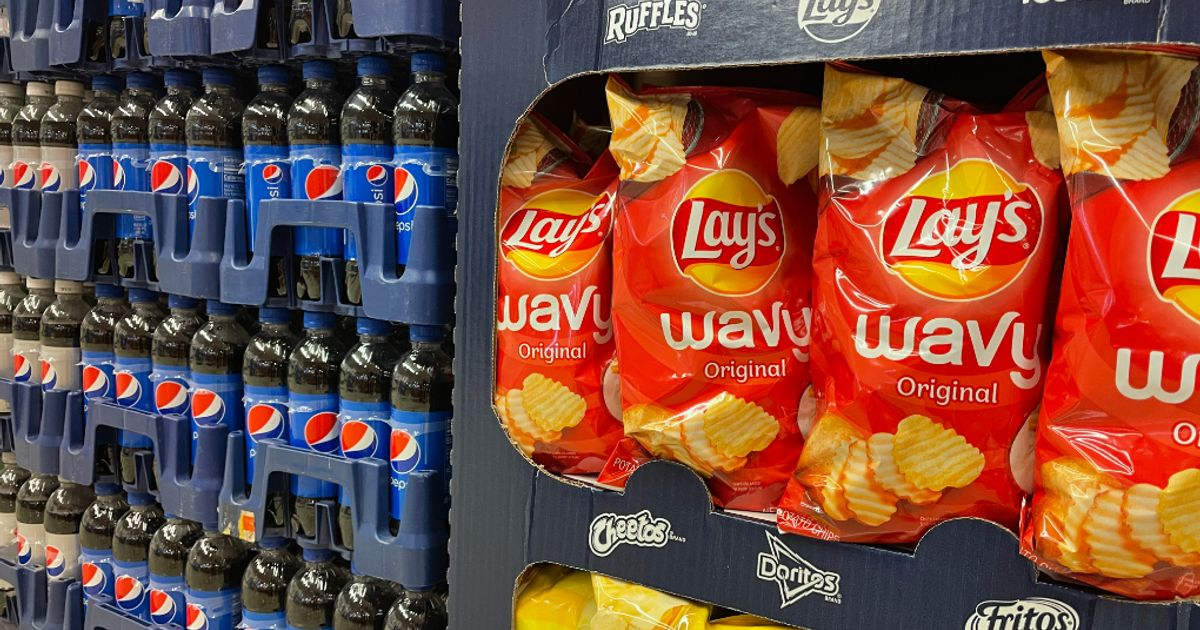
PepsiCo reached an agreement with activist investor Elliott Management, which built roughly a $4 billion stake, to pursue companywide cost cuts and a sharper product portfolio rather than engage in a proxy fight; Elliott will not receive board seats. The plan calls for roughly a 20% reduction in U.S. SKUs next year, targeted price reductions on parts of the food portfolio, and operational efficiencies aimed at reviving the snacks business and cutting complexity, with management flagging reinvestment in advertising and consumer-value tiers. PepsiCo reaffirmed 2025 guidance and laid out 2026 targets of 2–4% organic revenue growth (with stronger H2), 4–6% net revenue growth including M&A/currency, core EPS growth of about 5–7%, a path to at least 100 basis points of operating-margin expansion over three years, a ~22% core tax rate and free-cash-flow conversion of at least 80%, a package UBS called positive for investors.
PepsiCo reached a settlement with activist Elliott Management, which built roughly a $4 billion stake, avoiding a proxy fight while agreeing to companywide cost cuts and a roughly 20% reduction in U.S. SKUs next year; Elliott did not receive board seats. Management said actions include trimming expenses across food and beverage operations, lowering prices on parts of the food portfolio to revive a slowing snacks division, and continuing product innovations such as expanding sugar-free beverages and revamping Lay’s.
The company reaffirmed 2025 guidance and provided 2026 targets that imply organic revenue growth of 2%–4% (with stronger H2), net revenue growth of 4%–6% including acquisitions and currency, core EPS growth of about 5%–7%, a path to at least 100 basis points of operating-margin expansion over three years, a core tax rate near 22% and free-cash-flow conversion of at least 80%. UBS characterized the package as positive, highlighting targeted pricing, operational efficiencies and reinvestment in advertising and consumer-value tiers as drivers of margin recovery.
Execution and consumer demand are the key near-term variables: the benefits depend on successful SKU rationalization, pricing trade-offs between share and margin, and reinvestment effectiveness against an environment where shoppers are paring back packaged-food spending. Investors should watch measurable proof points—US SKU cuts, snack category comps, margin improvement, and H2 revenue acceleration—because failure to deliver would weaken the outlook despite the constructive activist détente.
AI-powered research, real-time alerts, and portfolio analytics for institutional investors.
Request DemoOverall Sentiment
moderately positive
Sentiment Score
0.55
Ticker Sentiment
