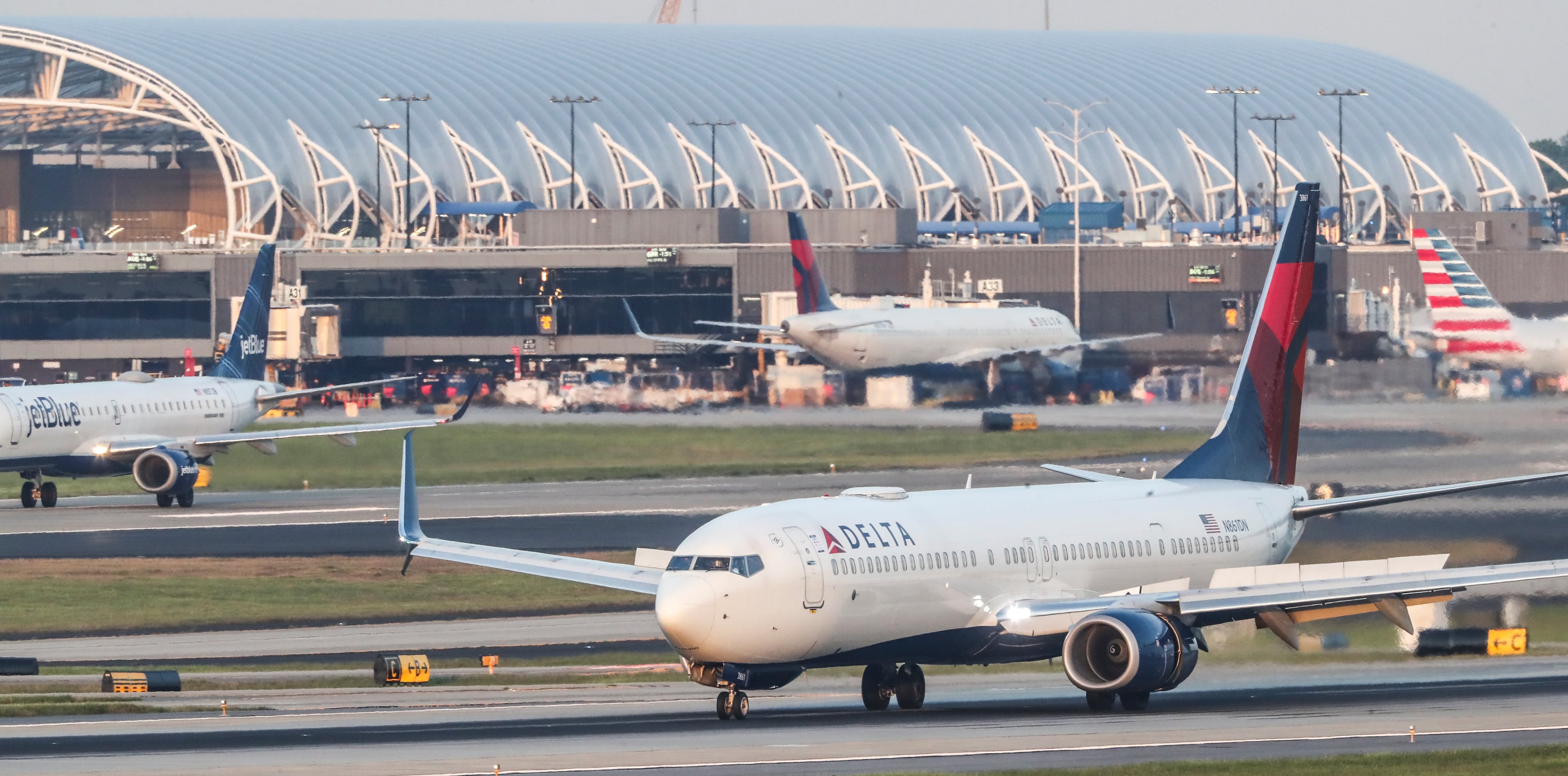
Glen Hauenstein, Delta Air Lines' president for nearly a decade and the architect of its global network and push to become a more 'premium' carrier, is retiring effective Feb. 28. Hauenstein led network planning, revenue-management and loyalty initiatives that reshaped Delta's product positioning; the departure appears orderly with succession steps implied, suggesting limited near-term operational or financial disruption for investors.
Market structure: Delta (DAL) losing a long-tenured president who architected its premium network raises short-term execution risk but does not immediately alter capacity or fuel exposure; direct winners are well-capitalized competitors (UAL, AAL) and nimble LCCs (LUV) if route/revenue management degrades, while regional partners and premium corporate customers are vulnerable to churn. Pricing power could soften if Delta backtracks on premium product investments or yields guidance downgrades; market-share shifts of 1–3ppt on key transcon/international lanes are plausible over 12–24 months if network choices change.
Risk assessment: Tail risks include a botched succession that triggers revenue-management missteps (>-5% domestic yields) or labor unrest tied to perceived strategic drift, and a regulatory/antitrust action is low probability but disruptive to international JV strategy. Immediate (days) reaction should be minor volatility; short-term (weeks–months) depends on successor messaging and Q1 guidance; long-term (quarters–years) depends on retention of commercial leadership and hub strategy execution. Hidden dependencies include key commercial/ops continuity and incentive structures that could accelerate route pruning or margin compression if altered.
Trade implications & cross-asset: Expect modest equity volatility in DAL and tight dispersion vs peers; corporate bonds and short-dated paper could widen 10–30bp on visible guidance weakness, while jet fuel/Brent exposure is unchanged—commodity risk remains a separate driver. Options: near-term IV may rise 20–40% on the news window; implement volatility-defined trades rather than direction-only. Sector rotation: favor higher-quality network carriers and underweight undifferentiated leisure carriers if Delta shows signs of strategic drift.
Contrarian angle: Consensus may underweight the operational continuity at Delta—management bench strength historically preserved revenue sensitivity—so any >8–12% selloff in DAL could be an overreaction and a buying opportunity. Historical parallel: leadership transitions at legacy carriers often create 3–6 month alpha windows but produce divergent 12–24 month outcomes depending on successor type; prepare for binary outcomes and size positions accordingly.
AI-powered research, real-time alerts, and portfolio analytics for institutional investors.
Request DemoOverall Sentiment
neutral
Sentiment Score
0.00
Ticker Sentiment
