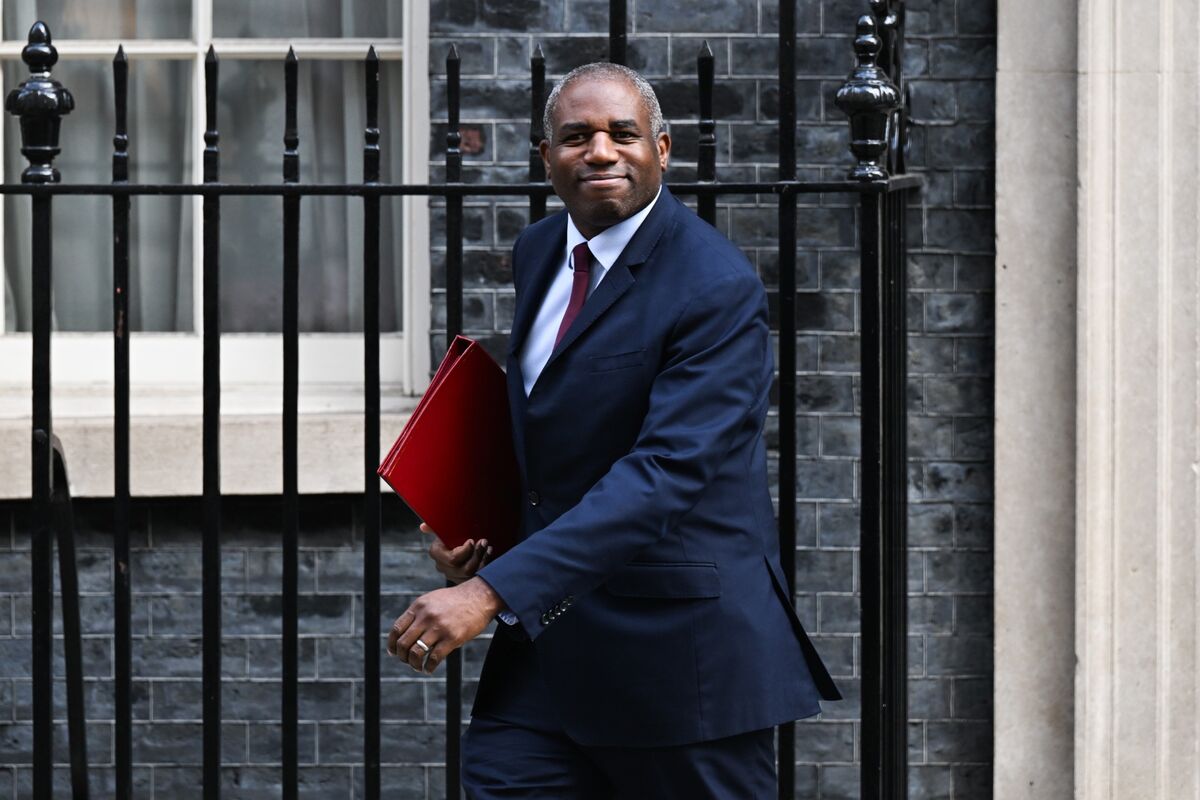
UK Deputy Prime Minister David Lammy sought to ease concerns regarding US-UK relations after Donald Trump used his UN General Assembly speech to criticize Britain's climate and immigration policies and London Mayor Sadiq Khan. Lammy's diplomatic response aims to mitigate potential friction following Trump's remarks, which could signal future foreign policy considerations should he return to office.
The UK government is actively managing diplomatic relations following criticism from former US President Donald Trump regarding its climate and immigration policies. Deputy Prime Minister David Lammy's attempt to de-escalate the situation underscores the sensitivity of transatlantic relations, particularly in light of the upcoming US election cycle. Trump's specific targeting of the UK's shift from fossil fuels to renewable energy introduces a notable geopolitical risk factor for sectors dependent on the UK's green agenda. While the immediate market impact is negligible, as indicated by a score of 0.1, the event serves as a clear signal of potential future policy friction between the UK and a potential new US administration. This could create long-term uncertainty for investors, especially in industries aligned with ESG mandates and the renewable energy transition, which may face headwinds should US foreign policy pivot away from its current collaborative stance.
AI-powered research, real-time alerts, and portfolio analytics for institutional investors.
Request DemoOverall Sentiment
mixed
Sentiment Score
0.00
