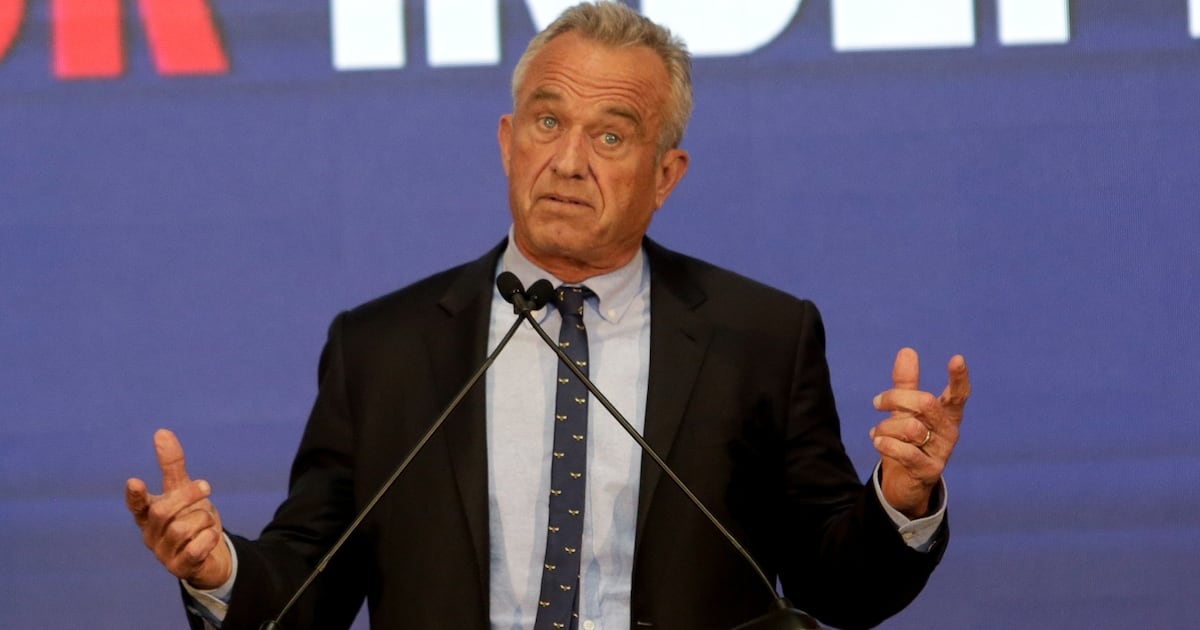
South Carolina is facing the largest U.S. measles outbreak, with 124 new cases since Tuesday and a total of 558 cases since October centered in Spartanburg County, where most cases are unvaccinated children and teens. MMR vaccination rates have fallen below the 95% herd-immunity threshold since 2021 and are as low as 82.5% in parts of the state, prompting urgent public-health appeals; the measles vaccine remains in the MMR despite a recent HHS overhaul cutting universal childhood vaccine recommendations from 17 to 11 under Secretary Robert F. Kennedy Jr., a politically controversial figure on vaccines. The situation creates localized public-health strain and regulatory/political uncertainty that could influence healthcare providers, public spending, and state-level policy responses, though broader market impact is likely limited.
Market structure: Short-term winners are entrenched pediatric vaccine manufacturers and medical distributors (Merck MRK; AmerisourceBergen ABC; McKesson MCK) who can fulfill urgent MMR demand; losers are local education/leisure operators in Spartanburg and neighboring counties and insurers facing concentrated claim clusters. Pricing power for MMR itself is limited (low-margin, public procurement), so revenue bumps will be volume-driven and likely transient (weeks–months) unless policy changes broaden mandates.
Risk assessment: Tail risks include a national spread (low probability, high impact) prompting federal vaccine purchases or emergency mandates within 30–90 days, or conversely, durable declines in routine vaccination driven by politicized policy that erodes long-term pediatric vaccine volumes by >5–10% over years. Hidden dependencies include state school-entry law enforcement, cold-chain logistics, and single-supplier inventory cycles that can create transient shortages and order spikes; catalysts are state emergency declarations, legal rulings on mandates, and RFK Jr.-led regulatory shifts.
Trade implications: Near-term alpha: favor distributors (ABC/MCK) and Merck (MRK) for 1–3 month demand capture, implemented via directional option spreads to limit capital and time risk; hedge policy/regulatory downside with a small short in broader vaccine-exposed peers (GSK) or buy protective downside. Cross-asset: expect limited macro moves—modest municipal yield widening in SC counties and slight knee-jerk vols in healthcare names; use options to monetize elevated event risk over 1–3 months.
Contrarian view: Consensus overestimates revenue upside for vaccine makers; historical measles spikes (2019) produced single-digit percentage revenue bumps that faded in 6–12 months. The actionable miss: distributors are underpriced for logistics/fulfillment optionality and may capture disproportionate near-term margin expansion; downside political/regulatory scenarios make asymmetric, hedged positions preferable.
AI-powered research, real-time alerts, and portfolio analytics for institutional investors.
Request DemoOverall Sentiment
moderately negative
Sentiment Score
-0.35
