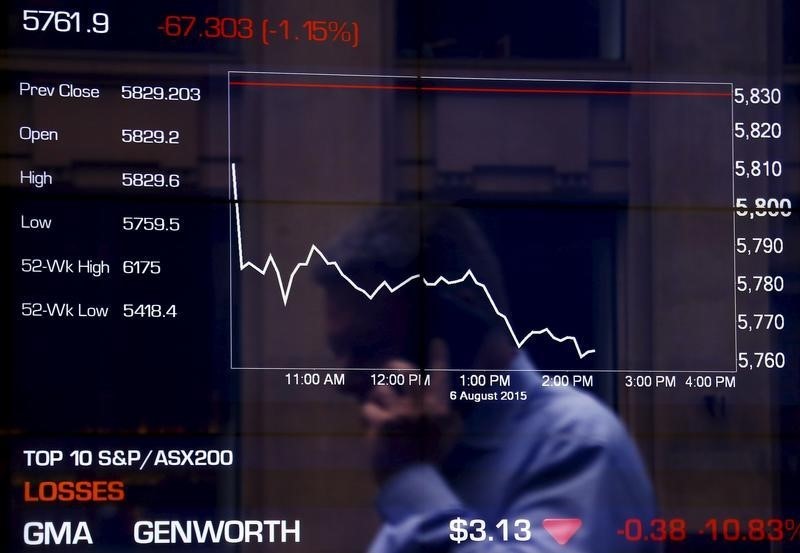
Oil prices were down sharply more than 6% on hopes for a U.S.-Iran deal and easing tensions around the Hormuz Strait, signaling a notable risk-off repricing in energy markets. In the broader session, ASX 200 rose 0.96% while gold futures gained 0.69% to $4,726.50/oz and crude oil for June delivery edged up 0.43% to $95.49/bbl; the ASX 200 VIX fell 1.88% to 12.04, a new 1-month low.
The key read-through is not the headline move in crude itself, but the collapse in implied geopolitical tail risk. When the market prices a reduced probability of Strait of Hormuz disruption, the first-order beneficiary is not just the oil complex but every import-sensitive part of the Australian economy via lower expected fuel and freight pass-through; that tends to support cyclicals and consumer discretionary more than the index headline suggests. At the same time, the selloff is a reminder that the market is still trading on event risk rather than fundamental supply tightness, so any de-escalation that holds for more than a few sessions can force a meaningful unwind in momentum energy positioning. The second-order loser set is broader than the obvious producers: high-beta oil services, coal miners levered to inflation hedges, and local fuel retailers/transport names can all underperform if crude breaks lower and stays there. For ASX-specific positioning, the more interesting dynamic is that the recent strength in materials and gold can bifurcate quickly: gold retains a risk-off bid if geopolitics remain unstable, while energy-linked inflation hedges lose value if the market believes diplomacy is credible. That creates a cleaner relative-value expression than outright directional equity risk. The contrarian point is that a U.S.-Iran deal headline often compresses volatility faster than spot fundamentals justify. If the market is extrapolating a durable supply addition, it may be underestimating how quickly any failure in talks would reprice the same tail risk in one or two sessions; this argues for using options rather than cash shorts. The near-term window matters: the next 1-3 weeks are about headline beta, while the 1-3 month horizon depends on whether lower oil prices feed into inflation data and central-bank expectations, which would matter more for duration-sensitive equities than for crude itself.
AI-powered research, real-time alerts, and portfolio analytics for institutional investors.
Overall Sentiment
neutral
Sentiment Score
0.10
Ticker Sentiment
