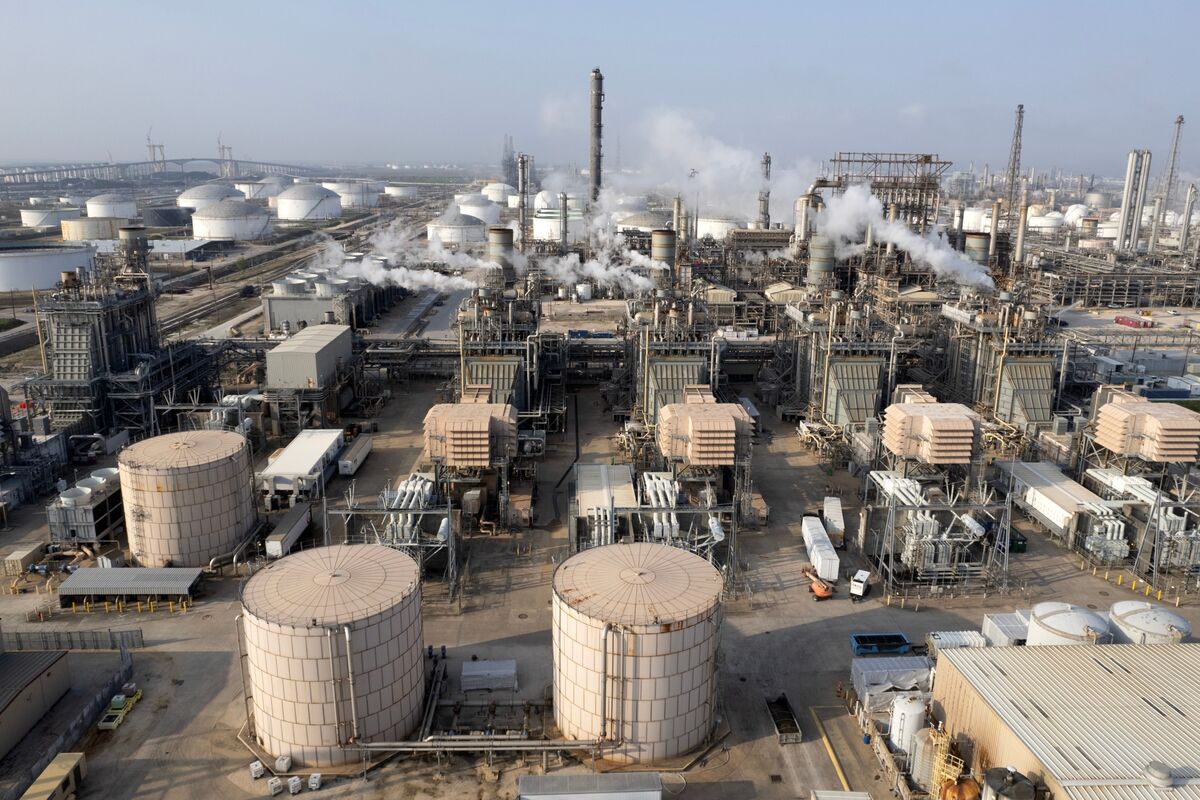
US refining capacity decreased by 43,000 barrels per day in 2024, settling at 18.3 million barrels per day, according to the EIA. This contraction reflects refiners' cautious approach amid an uncertain demand outlook for gasoline and diesel, signaling a potential shift in investment strategies within the refining sector.
According to a recent Energy Information Administration report, U.S. refining capacity experienced a marginal contraction of 43,000 barrels per day in 2024, bringing total operating capacity to 18.3 million barrels per day as of January 1. This decline, while modest, signals a significant strategic shift for the world's largest refining fleet, marking a retreat from a recent period of expansion. The primary driver for this pullback is an uncertain demand outlook for key transportation fuels such as gasoline and diesel, prompting operators to prioritize capital discipline over growth. This cautious stance, reflected in the moderately negative sentiment, suggests the industry is bracing for potential long-term demand headwinds. A tighter supply environment could lead to increased volatility in refined product margins, or crack spreads, particularly if demand proves more resilient than anticipated.
AI-powered research, real-time alerts, and portfolio analytics for institutional investors.
Request DemoOverall Sentiment
moderately negative
Sentiment Score
-0.50
