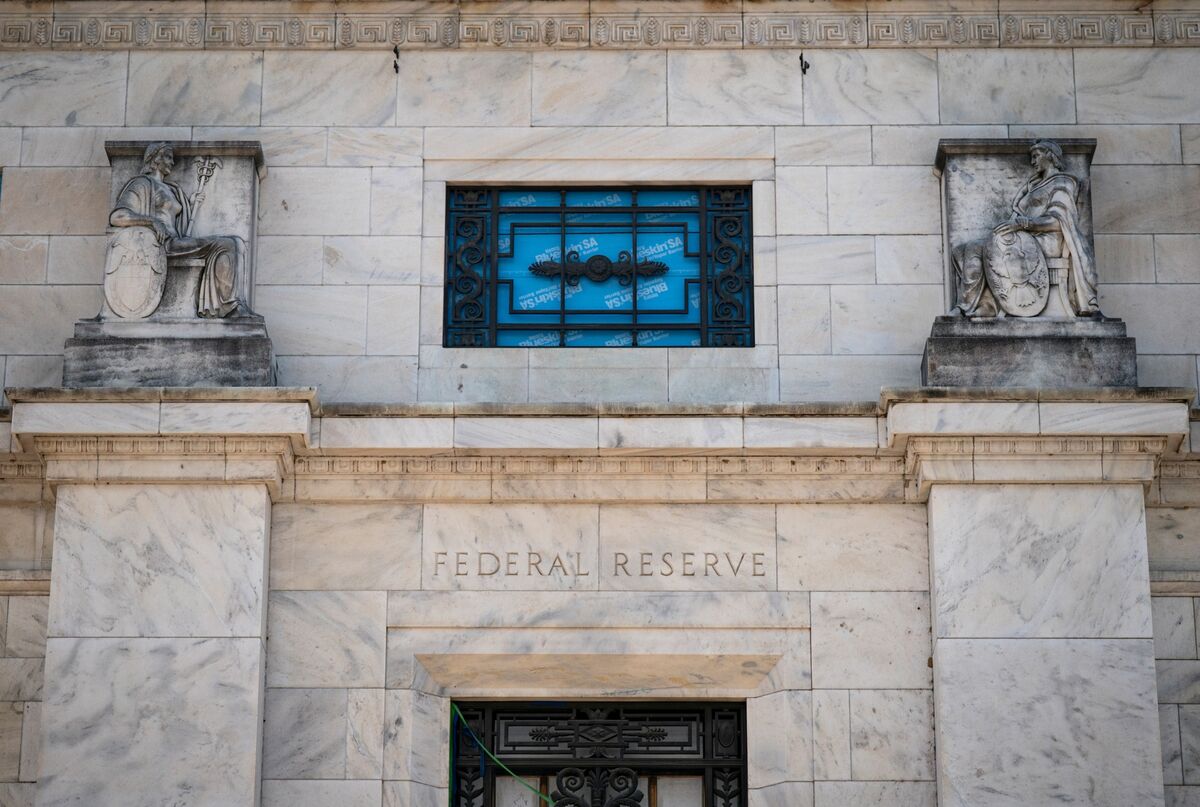
Federal Reserve officials are increasingly split on the long-run path for interest rates after cutting policy rates by more than a percentage point, producing the widest dispersion in terminal-rate prescriptions since the Fed began publishing projections in 2012. The visible disagreement centers on whether to deliver another cut at the upcoming meeting and how aggressively to ease thereafter, raising uncertainty for bond yields, asset allocation and rate-sensitive sectors. Investors should expect heightened volatility around Fed communications as policymakers debate the terminal rate and the timing of further easing.
Market structure: A more divided Fed increases policy uncertainty and term-premium dispersion — winners are duration-sensitive assets if cuts arrive (7–10y Treasuries, REITs, long-duration growth) while regional banks, money intermediaries and short-maturity credit suffer margin compression and funding repricing if cuts are delayed. Cross-asset: expect wider cross-currents — 2s10 curve can oscillate 25–75bp, USD direction will hinge on “higher‑for‑longer” centrist votes vs cut‑leaning dovish signals, and equity volatility (VIX) will spike around Fed communications.
Risk assessment: Tail risks include sticky inflation that prevents further cuts (hurts long duration and highly leveraged credit) or a sudden growth shock requiring emergency policy easing (blows out term premium then collapses short rates). Immediate (days) risk: volatile moves on Fed minutes and payrolls; short-term (weeks/months): positioning resets via futures; long-term (quarters): recalibration of neutral rate and bank profitability. Hidden deps: market positioning in Eurodollar/funds‑futures, bank deposit flows, and foreign central bank responses can amplify moves.
Trade implications: Favor tactical long duration into cut-probability surges while hedging bank/regional exposure; implement relative-value trades (long 7–10y Treasuries IEF vs short 2s exposure) and buy asymmetric rate-volatility (options) around FOMC events. Sector rotation toward quality growth (QQQ) and REITs on confirmed cut signals, rotate to cash/short-dated IG (SHY/VCIT) if Fed stays split and uncertainty persists. Time entries around Fed minutes, CPI/PCE prints and nonfarm payrolls within 3–12 week windows.
Contrarian angles: Consensus underestimates persistent term-premium increase from visible Fed discord — that can make long-dated yields higher even with nominal cuts, creating mispriced carry in medium-duration Treasuries. The market may be overpricing immediate cut odds; a single “no-cut” surprise could force a rapid USD rally and flattening, hurting long-duration trades. Historical parallel: 2018–19 episodes where communication mismatch amplified volatility; unintended consequence is higher hedging costs, favoring option-based asymmetric positions.
AI-powered research, real-time alerts, and portfolio analytics for institutional investors.
Request DemoOverall Sentiment
neutral
Sentiment Score
-0.05
