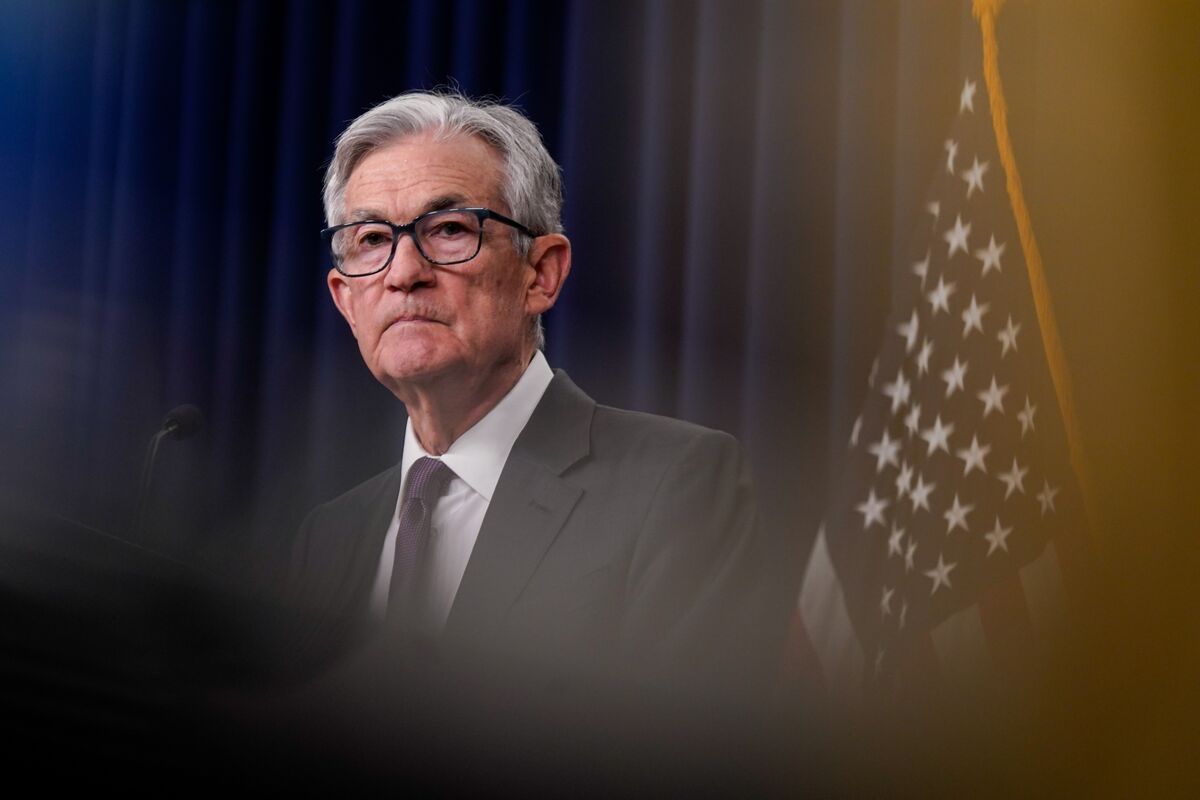
Donald Trump is intensifying his pressure on the Federal Reserve to cut interest rates, now framing the issue as a means to reduce the escalating costs associated with government debt and address the growing federal budget deficit. This marks a shift in his rationale, as Trump previously cited the need to support the economy during a transition to higher tariff levels as the primary reason for rate cuts. The renewed focus on debt costs suggests a strategic effort to highlight the fiscal implications of current monetary policy.
Donald Trump is intensifying his call for the Federal Reserve to lower interest rates, now primarily framing it as a necessity to reduce the surging costs of government debt and address the significant federal budget deficit. This marks a notable evolution in his stated rationale; the article indicates that previously, during his presidency (phrased as 'soon after returning to the White House for his second term'), he pressured Chair Jerome Powell to lower rates to aid the economy's transition to higher tariff levels. The current emphasis on debt servicing costs directly links monetary policy decisions to the nation's fiscal health, highlighting the substantial impact of interest rates on government expenditures. This renewed focus puts additional political scrutiny on the Federal Reserve's policy path, particularly concerning its implications for sovereign debt management and overall budget sustainability, reflecting key themes of monetary and fiscal policy interaction.
AI-powered research, real-time alerts, and portfolio analytics for institutional investors.
Request DemoOverall Sentiment
neutral
Sentiment Score
0.00
