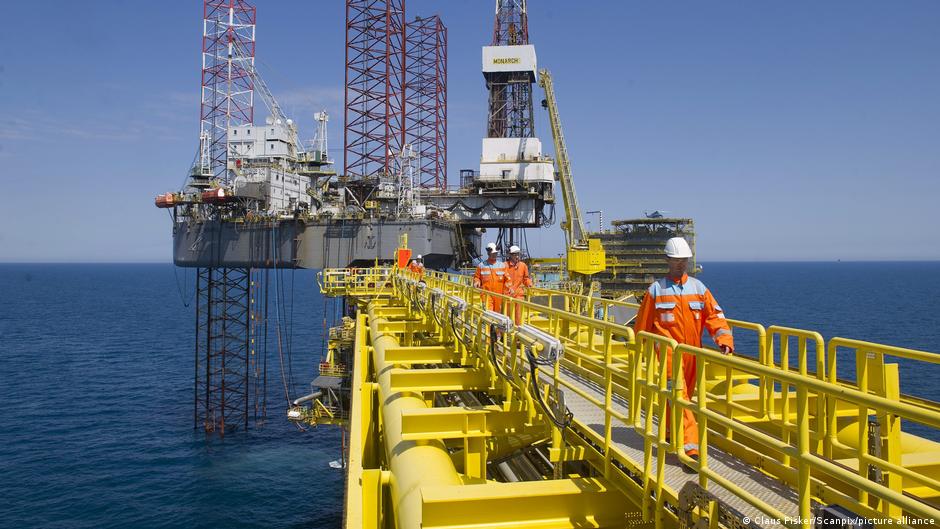
Global clean-energy investment is accelerating and reshaping energy-sector incentives: the IEA projects $2.2 trillion in clean-energy investment in 2025 versus $1.1 trillion for oil, gas and coal combined, even as fossil fuels still supply roughly 80% of primary energy and current national pledges imply ~2.6°C warming by century’s end. The article highlights intensified lobbying and political pushback from oil and gas majors, divergent corporate strategies (e.g., Exxon backing carbon capture/hydrogen while boosting hydrocarbons; BP scaling back some renewables), and recent international legal opinions that increase regulatory risk and the prospect of stranded assets. For investors, this signals continued structural upside for renewable-capex and green finance over the medium term, balanced by policy volatility and near-term demand resilience for hydrocarbons that can affect commodity prices and issuer-specific risk profiles.
Market structure: Capital is shifting from commodity producers to equipment, grid and storage suppliers — expect incumbent solar/inverter makers and battery-material miners to gain gross margins and order books for 12–36 months. Pricing power will migrate to component specialists (panels, inverters, electrolyzers) and to concentrated raw-material suppliers (copper, lithium) where a 2–5 year supply shortfall is plausible unless permitting accelerates. Cross-asset: expect tighter commodity forward curves, steeper term premia in HY E&P credit, and widening sovereign/FX dispersion in commodity exporters within 6–18 months.
Risk assessment: Tail risks include adverse legal rulings or fast-moving regulation that force immediate impairment of upstream assets (1–3 month headline shocks) and a China demand slowdown that collapses metals prices (6–18 months). Near-term (days–weeks) volatility will be dominated by energy-price headlines; medium-term (3–12 months) by policy votes and project permitting; long-term (3–10 years) by technology cost declines and stranded-asset recognition. Hidden dependencies: battery recycling scale, Chinese OEM capacity, and permitting/backlog at ports materially change supply curves.
Trade implications: Favor durable, cash-flowing renewable-equipment names and miners while de-risking leveraged E&P credit — use ETFs (ICLN/TAN) for diversified exposure, and FCX/ALB for base/critical metal access. Use relative-value pair trades to express structural shift (renewables ETF long vs XLE short) and options to cap drawdowns (12–24 month LEAP call spreads on high-quality capex leaders).
Contrarian angles: The market underestimates oil demand resilience in 2024–25, so shorting integrated majors outright is risky; instead, buy high-quality majors (XOM/CVX) for 6–12 months on dividend/buyback support while shorting small, capital-hungry E&P names and speculative green developers lacking contracted revenues. Watch for commodity-driven project-cost inflation that could erode IRRs for late-stage renewables developers and create dispersion for stock selection.
AI-powered research, real-time alerts, and portfolio analytics for institutional investors.
Request DemoOverall Sentiment
mixed
Sentiment Score
0.05
