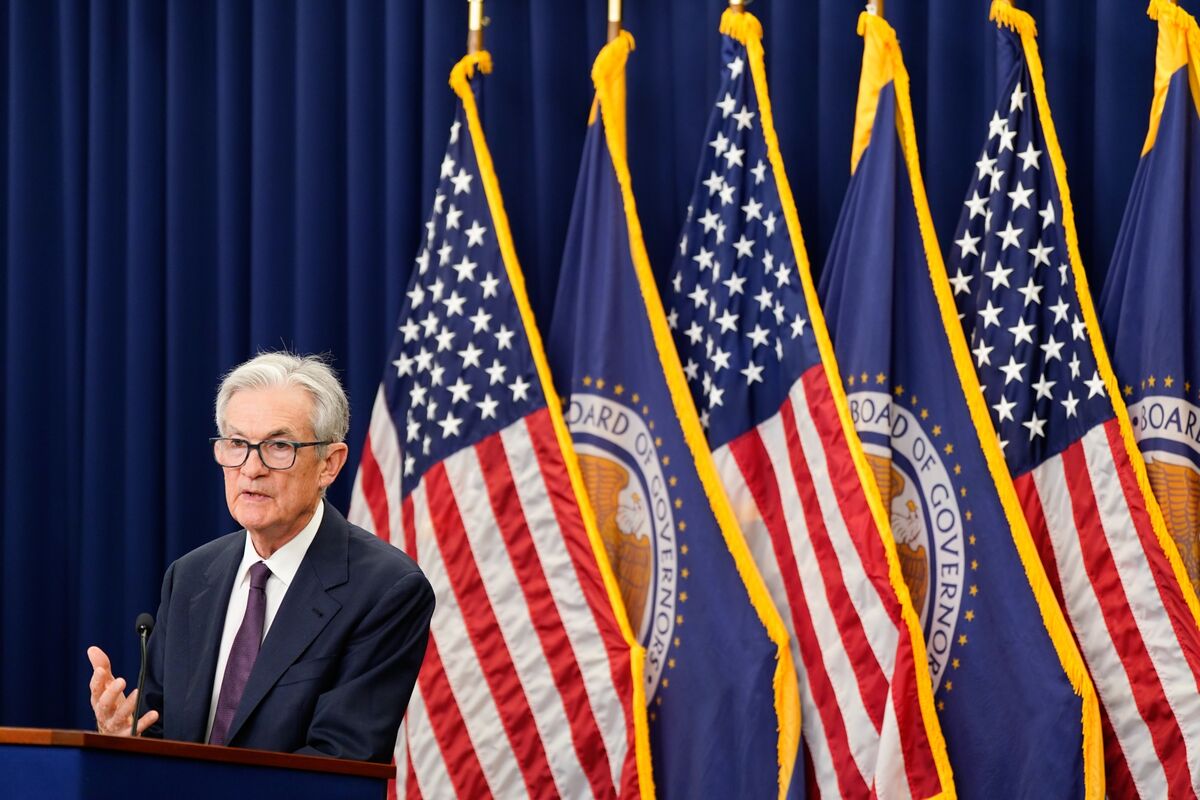
Federal Reserve Chair Jerome Powell has signaled a preference for analyzing three consecutive months of data before making significant economic decisions, suggesting the Fed is currently hesitant to cut rates until a clearer economic trend emerges. This cautious approach reflects a desire to discern meaningful signals from economic indicators before adjusting monetary policy.
Federal Reserve Chair Jerome Powell has articulated a strategy of requiring three consecutive months of economic data to discern "meaningful economic information" before making significant policy decisions, specifically highlighting this approach in the context of potential interest rate cuts. This methodology, where Powell stated it is "appropriate to take signal" after such a period, underpins the Fed's current cautious stance and reluctance to reduce rates until a more definitive economic trend emerges. The article's title, "Fed Bides Its Time to Find Out Who Will Pay Tariffs," suggests this observational period is also crucial for assessing the broader economic impacts of tariffs, including their effects on inflation, growth, and cost distribution, which will inform future monetary policy adjustments. Consequently, the Fed is adopting a patient, data-dependent approach before altering its policy trajectory.
AI-powered research, real-time alerts, and portfolio analytics for institutional investors.
Request DemoOverall Sentiment
neutral
Sentiment Score
0.00
