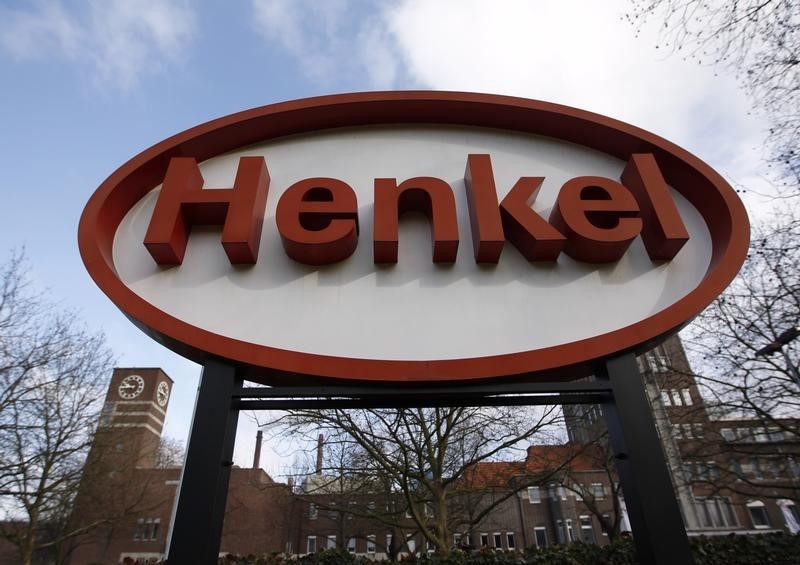
Henkel is in advanced talks to buy Olaplex for $2.00 per share, implying roughly a 40% premium to Wednesday's close; Olaplex shares jumped ~15% in after-hours trade. The acquisition would bolster Henkel’s hair-care and consumer products range and follows Henkel’s earlier €2.1bn purchase of Stahl's specialty coatings in February. The deal remains unconfirmed but is material for Olaplex equity and could be sector-moving for beauty/haircare peers.
A strategic buyer circling a growth-era DTC+salon haircare brand reorders value pools: rapid channel expansion via a large global buyer can convert marketing-driven CAC into incremental retail shelf revenue, turning a high-growth, low-margin mix into steadier, mid-single-digit organic margin accretion within 12–24 months. Expect 100–300bps of cost synergies from consolidated procurement (packaging, surfactants, contract manufacturing) and SG&A rationalization (consolidated marketing and back-office), but these accretive gains hinge on preserving the brand’s direct relationship with core customers.
Second-order winners include specialty ingredient suppliers and scale contract manufacturers that see volumes reallocated from many small indie brands to one acquirer; retailers with premium haircare platforms may gain negotiating leverage but face pressure on margins if the combined entity pushes exclusive SKUs. Competing incumbents with global distribution (large CPG haircare portfolios) face a tougher shelf and e‑commerce battle, which could accelerate their own tuck-in M&A cadence over the next 6–18 months.
Primary risks are event-driven: deal breakdowns, due‑diligence surprises (supply liabilities, margin erosion), or key-founder exits that quickly reprice expectations; any of these can move the equity 20–40% within days. Integration execution risk is medium-term: if the buyer forces cost cuts that undermine product quality or DTC engagement, churn could rise and erase early synergy wins over 6–12 months.
Tactically, this is an asymmetric, short-dated event trade with a binary skew: capture a takeout premium if confirmed, but be ready to reverse on failure. For portfolio sizing, treat as a high-conviction catalyst trade sized 1–3% of equity exposure, with clear stop rules and option-based hedges to limit downside while preserving upside capture on confirmation.
AI-powered research, real-time alerts, and portfolio analytics for institutional investors.
Request DemoOverall Sentiment
moderately positive
Sentiment Score
0.60
Ticker Sentiment
