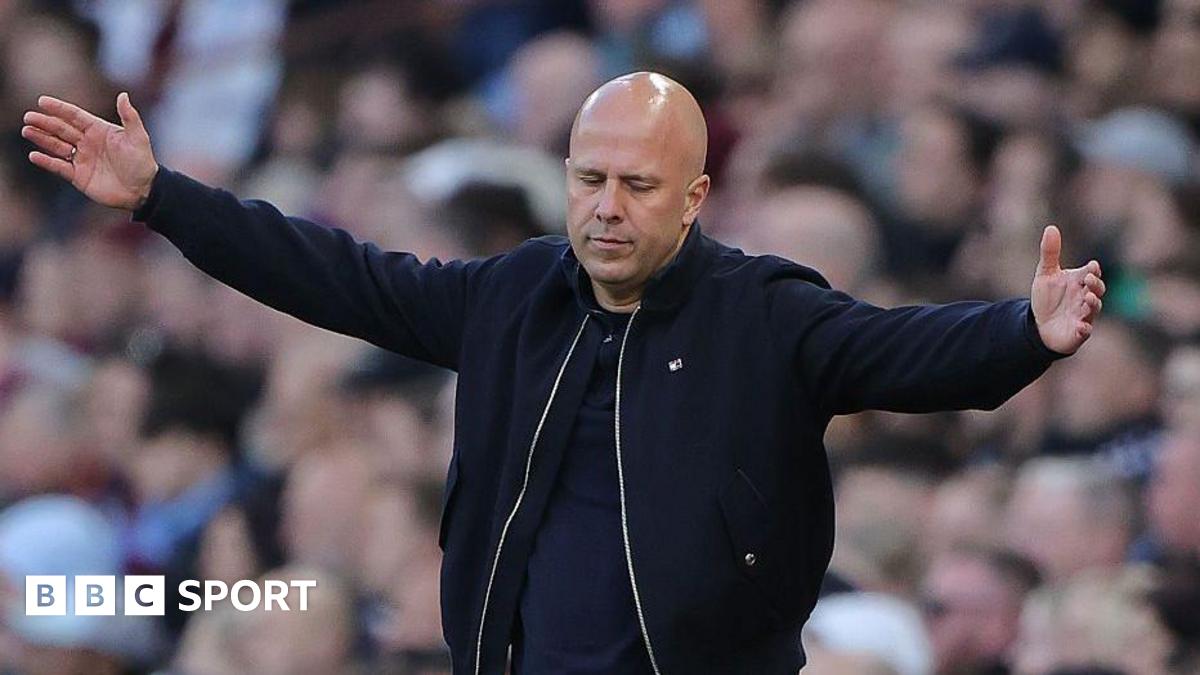
Liverpool sacked head coach Arne Slot after two seasons despite winning the club's 20th league title in his debut campaign. The decision reflects deteriorating on-field performance, with Liverpool finishing fifth in the Premier League and the board seeking a more aggressive style of play. Slot exits with a Premier League title, while Bournemouth's Andoni Iraola is the leading replacement candidate.
This is less a sports headline than a governance signal: FSG is reasserting control and telling the market that roster spend alone will not fix operating underperformance. The second-order implication is that Liverpool’s wage bill and player investment cycle may now get paired with a more system-driven, pressing-oriented coach, which typically compresses the performance variance of individual stars and raises the value of high-work-rate, versatile players over pure creators. That should be positive for firms selling performance analytics, athlete monitoring, and sports-tech infrastructure, while increasing pressure on clubs that compete for the same class of “engine” players.
The competitive effect is broader in the Premier League than one club: a coaching reset at a cash-rich franchise tends to pull forward tactical imitation, forcing rivals to match intensity rather than sit in lower-variance structures. Over the next 1-2 transfer windows, that can inflate prices for press-resistant midfielders, fullbacks, and recovery-speed defenders, especially in the midmarket where supply is thinner. It also raises the probability that Liverpool’s squad gets partially reshaped again, which is a hidden negative for player chemistry and a positive for agents/intermediaries and clubs selling talent into an urgent buyer.
The contrarian view is that the market may be overestimating how quickly a new manager changes on-pitch results; the lead time from coaching change to stable tactical edge is usually months, not weeks. If the club’s underlying issue is actually roster balance after a huge spend, then the next manager inherits the same constraint set and the improvement may be incremental rather than transformational. The key risk catalyst is a slow start under the replacement: if results wobble in the first 6-10 league matches, the narrative shifts from “fresh direction” to “structural squad misbuild,” which would re-open scrutiny on the current football operations regime.
AI-powered research, real-time alerts, and portfolio analytics for institutional investors.
Request TrialOverall Sentiment
mildly negative
Sentiment Score
-0.35
